Scottish Fold
This page is educational reference material for preparing questions. A licensed veterinarian examines the animal, makes the diagnosis, and sets the treatment.
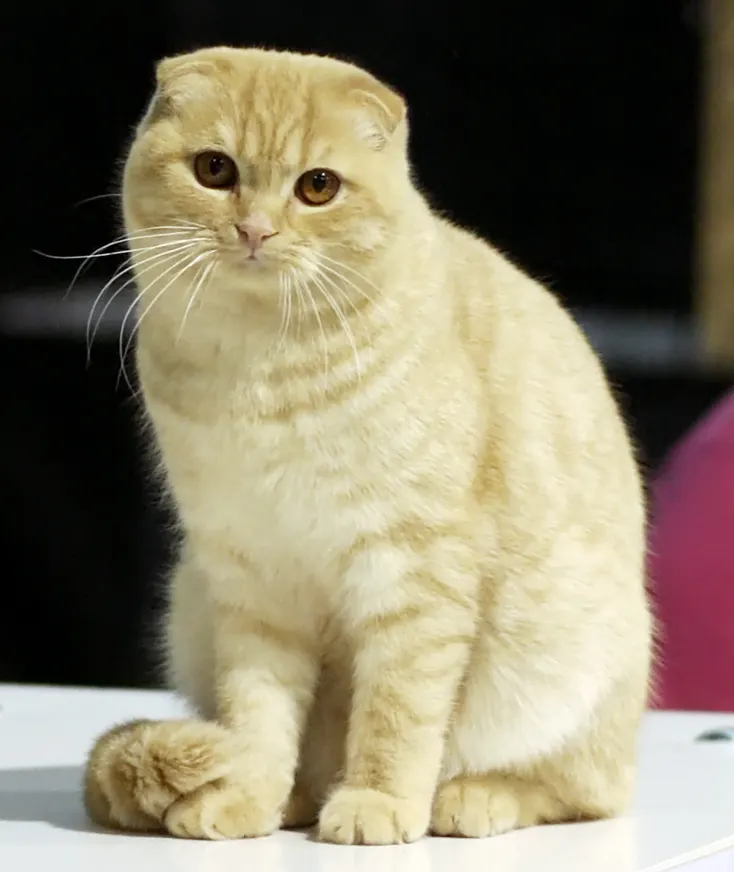
Quick Facts
| Attribute | Details |
|---|---|
| Size | Medium (6-13 lbs) |
| Lifespan | 11-14 years |
| Temperament | Sweet, Calm, Adaptable |
| Shedding | Moderate |
| Activity Level | Moderate |
| Vocalization | Low |
| Good with Kids | Excellent |
| Good with Other Pets | Excellent |
| Grooming Needs | Moderate |
| Intelligence | High |
Recommended for Scottish Folds
Affiliate links may earn a commission. Affiliate disclosure.
Basepaws DNA Test - Genetic health screening | Spot Insurance - Coverage for joint & cartilage issues | Chewy - Joint supplements & orthopedic beds
Save on Scottish Fold Care
Chewy Autoship - Save on joint supplements & food | Lemonade Pet - Coverage for chronic conditions | Feliway - Comfort for cats with mobility issues
Top Food Choices for Scottish Folds
Smalls Cat Food - Fresh food with joint-supporting nutrients | Nom Nom - Customized fresh meals | Chewy - Joint health formulas
The ear is the disease
Scottish folds weigh about 6 to 13 pounds and often live 11 to 14 years. People buy the round face and the ear that tips forward. That ear is osteochondrodysplasia, a disorder of cartilage, not an accessory. Severity varies. Some cats are mildly affected and still painful by middle age. Fold-to-fold kittens are the ones most likely to have a thick, immobile tail and a life of arthritis.
Temperament is often sweet and moderate in activity, which can hide pain because a calm cat and a sore cat look similar on a couch. Watch whether the cat still gets to a favorite shelf. If the shelf is abandoned, book a vet who will talk about pain relief rather than calling the cat lazy.
X-rays, not another photo of the ears
A stiff tail, swollen hocks, or a reluctance to jump deserves radiographs. There is no supplement that erases the gene. Breeding decisions belong with someone who will not produce folded kittens for the ear alone. Merck describes osteochondrodysplasia. A cat that stops eating because it hurts to walk is the not-eating page.
Scottish fold questions
Is the folded ear just a look?
No. The same gene that folds the ear affects cartilage elsewhere. Many folded cats develop painful arthritis, a stiff tail, and trouble jumping. A straight-eared Scottish straight can carry the gene without the folded ears.
Should two folded-ear cats be bred?
No. Fold-to-fold breedings produce more severe osteochondrodysplasia. Responsible programs breed a fold to a straight-eared cat and still have to accept that folded kittens may be arthritic.
How do you know the cat is in pain?
A cat that stops jumping, sits stiff, or resents a touch on the spine is painful until proven otherwise. Cats hide lameness. Do not wait for a cry.
Decision Guides for Scottish Fold
Use these only when comparing food, insurance, ownership budget, or beginner fit for this specific pet.