Rosella Parakeet
This page is educational reference material for preparing questions. A licensed veterinarian examines the animal, makes the diagnosis, and sets the treatment.
Affiliate links may earn a commission. Affiliate disclosure.
Quick Facts
| Attribute | Details |
|---|---|
| Type | Parakeet |
| Size | 12-14 inches |
| Weight | 3-5 oz |
| Lifespan | 15-25 years |
| Temperament | Active, Independent, Beautiful |
| Noise Level | Moderate |
| Talking Ability | Limited |
| Origin | Australia |
Rosella Parakeet Overview
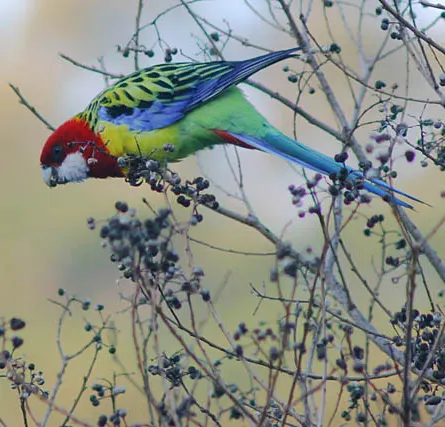
Rosella on this page is a group of Australian parakeets in the genus Platycercus, not a single pet with one temperament. The eastern rosella, Platycercus eximius, is the common pet. The card lists 12 to 14 inches, 3 to 5 ounces, a lifespan of 15 to 25 years, moderate noise, and limited talking. Temperament is active, independent, and beautiful. Beautiful is a plumage fact. Independent is the behavior fact. These are flying birds with opinions about other birds, not cuddly shoulder parrots in a brighter coat.
Eastern rosellas are the ones most buyers mean. Crimson, pale-headed, and other Platycercus species turn up under the same shop word and do not share every habit. Ask which rosella is in the cage before you trust a 12 to 14 inch label as a complete description. All of them need a long flight. A small parrot cage, the sort sold for a cockatiel, is the wrong room for a 12 to 14 inch bird with a long tail and a need to fly. Clipped wings in that small cage remove the behavior the group is built around.
Every Rosellas is an individual.
They can be aggressive with other birds. A pair of eastern rosellas in their own flight is a standard plan. The same pair in a living-room cage with cockatiels, or with a second rosella pair, is how birds get scalped feet and broken skin. Even a bonded pair may need separation in breeding condition. Moderate noise is chatter and flock calls, louder than a red-rump and easier than a conure, and still enough to hear through an open window. Limited talking means speech is not a feature to shop for.
Temperament & Behavior
Origin on the card is Australia. Captive-bred birds from aviaries are the normal pets. Diet should be varied: seed as part of the day, greens, vegetables, and pellets if they accept them. Active birds in a flight burn more food than a perched pet and still get fat if the bowl is nothing but sunflower. Hang food in more than one place so the subordinate bird eats. Fifteen to 25 years is the lifespan, so a flight built as a temporary pen becomes a decade of the wrong housing if it is too short to fly.
Independent and active describe a rosella that would rather cover the length of an aviary than sit for a scratch. Some hand-raised eastern rosellas tolerate a familiar person. They remain a poor match for anyone who wants a cuddly pet parrot. Beautiful plumage does not change the aggression risk with other species. Give Platycercus eximius, or whichever rosella you actually bought, a long flight of its own, a varied diet, and 15 to 25 years of moderate noise. Leave the small shared parrot cage out of the plan.
Housing & Environment Requirements
Provide a spacious cage appropriate for Rosella Parakeets - minimum dimensions should allow full wingspan extension plus room to climb and play. Maintain temperatures between 65-80°F with appropriate humidity levels.
Diet & Nutrition
A balanced diet for Rosella Parakeets should include high-quality pellets as the foundation (60-70% of diet), supplemented with fresh fruits and vegetables (20-30%), and limited seeds/nuts as treats (5-10%). Fresh, clean water should always be available. Avoid avocado, chocolate, caffeine, alcohol, and high-salt foods. Consult an avian veterinarian for species-specific dietary recommendations.
Feeding a Rosella Parakeet well is less about following trends and more about paying attention to your specific animal. Some Rosella Parakeets do great on standard species-appropriate avian pellets and fresh foods; others need a different approach due to allergies, sensitivities, or individual metabolism. Work with your vet to find what works, and be willing to adjust as your Rosella Parakeet's needs change with age.
Common Health Issues
Common health concerns for Rosella Parakeets include respiratory infections, psittacine beak and feather disease, feather plucking (often stress-related), and nutritional deficiencies. Birds hide illness well, so annual avian vet checkups are essential.
Grooming & Maintenance
Regular grooming for Rosella Parakeets includes providing bathing opportunities (mist spray or shallow dish), nail trimming as needed, and wing clipping (optional and debated - consult your avian vet). Keep the cage clean with daily spot cleaning and weekly deep cleaning. Replace food and water daily. Rotate toys regularly to prevent boredom.
Beginner-Friendly Rating: Intermediate
Rosella Parakeets are suitable for keepers with some experience.
Before acquiring a Rosella Parakeet, research thoroughly and prepare the habitat in advance. Join online communities and forums dedicated to aviculture to connect with experienced keepers who can offer guidance specific to Rosella Parakeet care.
Socialization & Enrichment
Socialization is critical for Rosella Parakeets. These intelligent creatures thrive on interaction and mental stimulation.
Many Rosella Parakeet owners find that their birds enjoy music, gentle conversation, and watching nature videos.
Where to Find Rosella Parakeets
Look for reputable breeders who hand-raise their birds, provide health guarantees, and are knowledgeable about Rosella Parakeet care.
Cost of Ownership Overview
| Expense | Estimated Cost |
|---|---|
| Initial Setup (bird + cage + supplies) | $200-$3,000+ |
| Annual Food | $150-$400 |
| Annual Vet Care | $100-$300 |
| Toys & Enrichment (annual) | $100-$250 |
One of the more practical financial habits for Rosella Parakeet ownership is maintaining a small emergency reserve.
Expect the first year of Rosella Parakeet ownership to carry the heaviest financial load.
Regular health assessments for your Rosella Parakeet are an investment, not an expense. The conditions most likely to be caught at a routine checkup — respiratory issues, feather abnormalities, and nutritional imbalances — tend to be far more manageable when identified before they produce noticeable symptoms.
Daily Care Routine for Rosella Parakeets
A consistent daily routine is essential for Rosella Parakeet health and wellbeing.
Most Rosella Parakeets need 10-12 hours of uninterrupted sleep in a quiet, dark environment. Weekly tasks include thorough cage cleaning, perch scrubbing, and toy rotation.
Rosella Parakeets Questions Owners Ask
How long do Rosella Parakeets live?
Rosella Parakeets typically live 15-25 years in captivity with proper care.
Are Rosella Parakeets noisy?
Rosella Parakeets have a moderate noise level. They vocalize regularly but are not among the loudest pet bird species.
Can Rosella Parakeets talk?
Rosella Parakeets have limited talking ability. Their charm lies in their personality and beauty.
Do Rosella Parakeets need a companion?
While Rosella Parakeets are social creatures, a single bird can thrive with sufficient human interaction and enrichment. Always quarantine new birds and introduce them gradually.
Long-Term Commitment & Responsible Ownership
Bringing a Rosella Parakeet into your home is a commitment that can last 15-25 years.
Include your Rosella Parakeet in long-term planning. If rehoming becomes necessary, contact avian rescue organizations in your area.
Get Personalized Rosella Parakeet Guidance
Ask Our AI NowDecision Guides for Rosella Parakeet
Use these only when comparing food, insurance, ownership budget, or beginner fit for this specific pet.
Is a Rosella Parakeet Right for You?
Rosella Parakeet May Be Great For:
- A keeper with a flight aviary for one pair of Platycercus and no other parrots in that space
- Someone who accepts they are not hand-tame shoulder birds
- An owner who will feed a varied diet and give real flight
Rosella Parakeet May Not Be Ideal For:
- A living-room cage shared with cockatiels or other rosellas
- Anyone who wants a cuddly pet parrot
- A seed-only diet and clipped wings in a small cage
- Plan the adult size, the vet, and the daily work for the rosellas before it comes home.
Rosellas are Australian parrots, and several species get sold under one name. Crimson, eastern, and pale-headed rosellas are not the same size. They need space, a pellet and vegetable diet, and they can be aggressive toward other birds. Import and state law matter for Australian parrots. A seed-only rosella becomes obese and vitamin-A deficient. Ask which species is actually in the cage.
Life with a Rosella Parakeet settles into a rhythm that many owners find surprisingly grounding. The routine of care — regular feeding, habitat maintenance, attentive observation — becomes a steady thread through your day. Over months and years, that thread weaves into something meaningful: a genuine partnership built on trust and mutual familiarity.