Golden Conure (Queen of Bavaria)
This page is educational reference material for preparing questions. A licensed veterinarian examines the animal, makes the diagnosis, and sets the treatment.
Affiliate links may earn a commission. Affiliate disclosure.
Quick Facts
| Attribute | Details |
|---|---|
| Type | Conure |
| Size | 14 inches |
| Weight | 8-10 oz |
| Lifespan | 20-30 years |
| Temperament | Affectionate, Social, Playful |
| Noise Level | Loud |
| Talking Ability | Moderate |
| Origin | Brazil |
Golden Conure (Queen of Bavaria) Overview
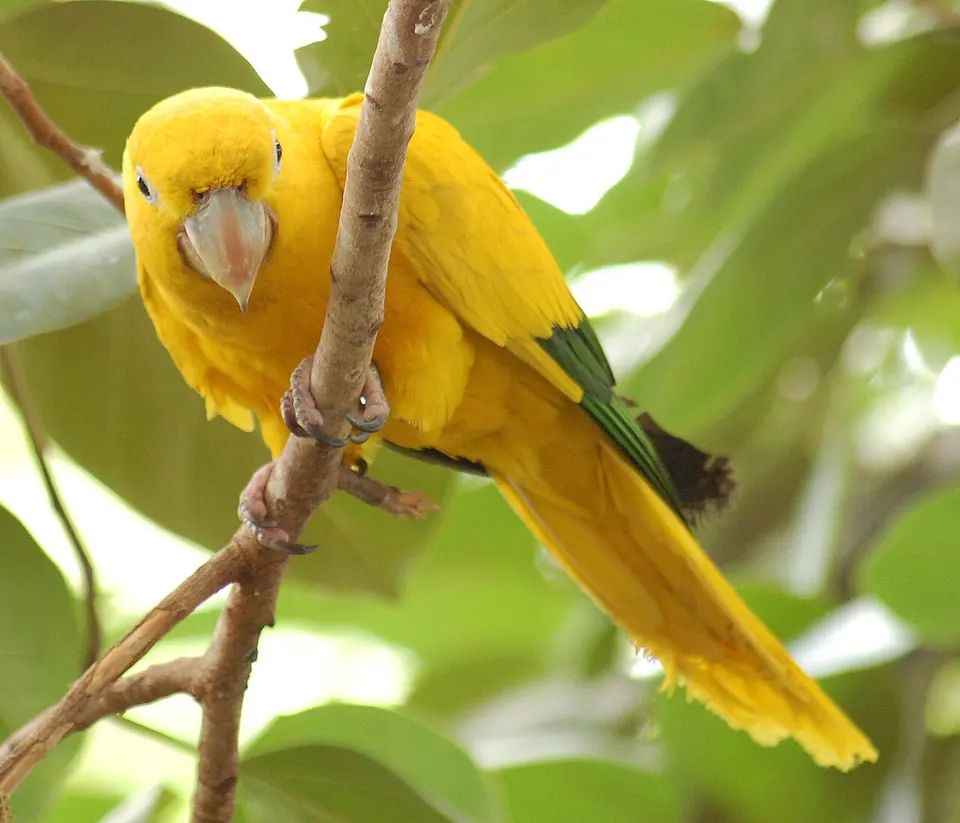
The golden conure, also called the Queen of Bavaria conure, is Guaruba guarouba. It is a Brazilian parrot listed at 14 inches and 8 to 10 ounces. The yellow plumage is the reason people stop at the cage. The species behind that color is a large, social, loud conure with a beak to match the body. Origin is Brazil. Temperament on the card is affectionate, social, and playful. Those words describe a flock bird that wants contact, wrecks toys, and objects to being left as a beautiful ornament.
Wild golden conures are endangered, and the species is on CITES Appendix I. That listing is a legal fact, not a slogan. A pet should be captive-bred, with paperwork a buyer can read, from a source that can explain the birds in the pedigree. An inexpensive yellow conure at a general pet shop is the wrong story for this species. Appendix I animals are not impulse stock. If the seller cannot discuss permits, parentage, and diet, the bird should stay where it is.
The lifespan line is 20 to 30 years. The card does not offer a short trial period hidden inside the color. A person who takes a golden conure home is planning a multi-decade flock member with a loud voice and a powerful bite. Affectionate does not mean safe around faces, children, or visitors who want to poke the yellow feathers. Social means the bird suffers when the house is empty. Playful means wood, leather, and drywall are all candidate toys unless the room is arranged otherwise.
The noise rating for a golden conure is loud. A 14-inch bird calls like a parrot that expects a distant flock to answer. Apartment walls do not absorb that. Training can teach stationing and a few cues. It does not turn the species quiet. People who came from a green-cheek conure, or from a cockatiel, misread the size and the volume. Eight to 10 ounces is a solid bird, closer to a small Amazon in presence than to the conures sold as starter pets. The loud rating belongs in the decision before the purchase, while the yellow is still behind someone else's glass.
The talking rating is moderate. Some individuals learn words and short phrases. Many do not become conversational, and none of them become quiet in exchange for a vocabulary. Buy the species for the flock bond and the play, and treat words as optional. Repeating phrases during a calm part of the day works better than shouting over a contact call. A golden that screams and then hears laughter or an immediate release from the cage will keep the scream. The moderate talking score is not a volume control.
Temperament & Behavior
The cage has to be large, or the bird needs an aviary. A 14-inch parrot with an 8 to 10 ounce body and a long tail cannot live in a cockatiel flight and stay sound. Width for the wings, strong bars, and a play stand outside the cage are the minimum shape of housing. Time out of the cage is daily, in a room that has been stripped of toxic metals, open water, and fumes. Playful birds investigate the stove. Affectionate birds follow the person into unsafe rooms. Door discipline is part of care.
Diet is a parrot diet with enough variety for a bird this size: a formulated pellet, vegetables, some fruit, and nuts as a measured portion rather than a bowl of sunflower. A golden conure will gladly eat the fatty items first. Weight should be watched, because 8 to 10 ounces is the healthy band, not a suggestion to fatten a pet-shop bird that already looks round. Foraging toys slow the meal down and give a social, intelligent animal something to do when nobody is standing at the cage.
The beak can break skin. A bite from a startled or hormonal Guaruba is an injury, not a pinch from a parrotlet. Handle with a plan for step-up, a neutral perch, and a household that agrees on the rules. Children are not the trainers. Visitors do not get to put a finger through the bars of an Appendix I parrot because the color is pretty. Affection runs toward the person who does the work. It does not run toward every face in a crowd, and it can reverse during breeding condition.
Annual food, toys, and veterinary care continue across the 20 to 30 year lifespan, and the first cage is the expensive object people underbuy. A golden conure that plucks, screams for hours, or lunges has often spent a year in a cage that was too small with a diet that was mostly seed. Fixing that later is harder than buying the right setup first. An avian veterinarian who will see a rare conure should be chosen before the bird arrives. Endangered status does not come with a special immunity to ordinary parrot illness.
Housing & Environment Requirements
Provide a spacious cage appropriate for Golden Conure (Queen of Bavaria) - minimum dimensions should allow full wingspan extension plus room to climb and play. Maintain temperatures between 65-80°F with appropriate humidity levels.
Diet & Nutrition
A balanced diet for Golden Conure (Queen of Bavaria) should include high-quality pellets as the foundation (60-70% of diet), supplemented with fresh fruits and vegetables (20-30%), and limited seeds/nuts as treats (5-10%). Fresh, clean water should always be available. Avoid avocado, chocolate, caffeine, alcohol, and high-salt foods. Consult an avian veterinarian for species-specific dietary recommendations.
Brazil is the wild origin, and captive birds still behave like flock parrots from that forest, not like cage ornaments. A legal, captive-bred Queen of Bavaria is a serious companion for a household that can stand loud calls, a large enclosure, and decades of attention. It is not a pet-shop conure. The yellow feathers are the advertisement. The animal is 14 inches, 8 to 10 ounces, loud, playful, and protected. Anyone who only wanted the color has not yet met the species.
Nutrition for your Golden Conure (Queen of Bavaria) should be evaluated by results, not labels. The best food is the one that keeps your Golden Conure (Queen of Bavaria) at a healthy weight, supports a glossy coat, provides steady energy, and produces firm, consistent stool.
Common Health Issues
Common health concerns for Golden Conure (Queen of Bavaria) include respiratory infections, psittacine beak and feather disease, feather plucking (often stress-related), and nutritional deficiencies. Birds hide illness well, so annual avian vet checkups are essential.
Avian health management for Golden Conure (Queen of Bavaria) requires a proactive approach built on understanding that birds, like all prey species, instinctively conceal signs of illness until they can no longer compensate. By the time a Golden Conure (Queen of Bavaria) displays obvious symptoms such as fluffed feathers, tail bobbing, or sitting on the cage bottom, the underlying condition may already be advanced. This makes routine preventive care, regular wellness examinations with an avian veterinarian, and attentive daily observation essential components of responsible Golden Conure (Queen of Bavaria) ownership.
Nutritional health is one of the most significant and controllable factors influencing your Golden Conure (Queen of Bavaria)'s long-term wellbeing. A complete diet for Golden Conure (Queen of Bavaria) should center on high-quality formulated pellets (comprising 60-70% of intake) supplemented with fresh vegetables, appropriate fruits, and species-specific treats. Transitioning a seed-addicted Golden Conure (Queen of Bavaria) to a balanced diet requires patience and creativity, but the health benefits are substantial and well-documented.
Environmental health factors play a larger role in Golden Conure (Queen of Bavaria) health than many owners realize. Creating a safe, controlled environment for your Golden Conure (Queen of Bavaria) is as important as diet and veterinary care in maintaining long-term health.
Grooming & Maintenance
Regular grooming for Golden Conure (Queen of Bavaria) includes providing bathing opportunities (mist spray or shallow dish), nail trimming as needed, and wing clipping (optional and debated - consult your avian vet). Keep the cage clean with daily spot cleaning and weekly deep cleaning. Replace food and water daily. Rotate toys regularly to prevent boredom.
Beginner-Friendly Rating: Intermediate
Golden Conure (Queen of Bavaria) are suitable for keepers with some experience.
Before acquiring a Golden Conure (Queen of Bavaria), research thoroughly and prepare the habitat in advance. Join online communities and forums dedicated to aviculture to connect with experienced keepers who can offer guidance specific to Golden Conure (Queen of Bavaria) care.
Socialization & Enrichment
Socialization is critical for Golden Conure (Queen of Bavaria). These intelligent creatures thrive on interaction and mental stimulation.
Many Golden Conure (Queen of Bavaria) owners find that their birds enjoy music, gentle conversation, and watching nature videos.
Where to Find Golden Conure (Queen of Bavaria)
Look for reputable breeders who hand-raise their birds, provide health guarantees, and are knowledgeable about Golden Conure (Queen of Bavaria) care.
Cost of Ownership Overview
| Expense | Estimated Cost |
|---|---|
| Initial Setup (bird + cage + supplies) | $200-$3,000+ |
| Annual Food | $150-$400 |
| Annual Vet Care | $100-$300 |
| Toys & Enrichment (annual) | $100-$250 |
The numbers in the table above are averages — your actual spending will depend on where you live, your Golden Conure (Queen of Bavaria)'s individual health, and the choices you make about food quality, insurance, and grooming. Cities tend to be pricier for vet care. Rural areas may require longer drives to specialists.
Most new Golden Conure (Queen of Bavaria) owners are surprised by first-year costs. The good news is that subsequent years are more predictable. Just keep in mind that senior Golden Conure (Queen of Bavaria) may need additional care as they enter the last few years of their 20-30 years lifespan.
Think of preventive care as an insurance policy with a guaranteed payout. For Golden Conure (Queen of Bavaria) owners, staying on top of preventive care is one of the simplest ways to reduce lifetime veterinary expenses.
Daily Care Routine for Golden Conure (Queen of Bavaria)
A consistent daily routine is essential for Golden Conure (Queen of Bavaria) health and wellbeing.
Most Golden Conure (Queen of Bavaria) need 10-12 hours of uninterrupted sleep in a quiet, dark environment. Weekly tasks include thorough cage cleaning, perch scrubbing, and toy rotation.
Common Questions About Golden Conure (Queen of Bavaria)
If you are optimizing a Golden Conure's routine, this is one of the higher-leverage items to get right early.
How long do Golden Conure (Queen of Bavaria) live?
Golden Conure (Queen of Bavaria) typically live 20-30 years in captivity with proper care.
Are Golden Conure (Queen of Bavaria) noisy?
Golden Conure (Queen of Bavaria) have a loud noise level. They can be quite vocal, especially during dawn and dusk. This breed is best suited for homes where noise tolerance is high and neighbors are not in close proximity.
Can Golden Conure (Queen of Bavaria) talk?
Golden Conure (Queen of Bavaria) have moderate talking ability. Their charm lies in their personality and beauty.
Do Golden Conure (Queen of Bavaria) need a companion?
While Golden Conure (Queen of Bavaria) are social creatures, a single bird can thrive with sufficient human interaction and enrichment. Always quarantine new birds and introduce them gradually.
Long-Term Commitment & Responsible Ownership
Bringing a Golden Conure (Queen of Bavaria) into your home is a commitment that can last 20-30 years.
Include your Golden Conure (Queen of Bavaria) in long-term planning. If rehoming becomes necessary, contact avian rescue organizations in your area.
Get Personalized Golden Conure (Queen of Bavaria) Guidance
Have specific questions about your Golden Conure (Queen of Bavaria)?
Ask Our AI NowDecision Guides for Golden Conure (Queen of Bavaria)
Use these only when comparing food, insurance, ownership budget, or beginner fit for this specific pet.
Is a Golden Conure (Queen of Bavaria) Right for You?
Small effort, lasting payoff: understanding this topic well changes how you handle your Golden Conure for as long as the animal is with you. Observe closely during the first month; your Golden Conure will tell you which parts of the routine to keep.
Golden Conure (Queen of Bavaria) May Be Great For:
- A keeper who understands Guaruba guarouba is endangered, loud, and a flock bird with a huge beak
- Someone with a large cage, decades of time, and a legal captive-bred bird
- An owner with an avian vet and a plan for a bird that can injure skin
Golden Conure (Queen of Bavaria) May Not Be Ideal For:
- A pet-store impulse buy
- An apartment
- Anyone who wants a quiet conure and was shown a golden because of the color
- Plan the adult size, the vet, and the daily work for the golden conure before it comes home.
Whether a Golden Conure (Queen of Bavaria) fits your life comes down to a few practical questions. How much time can you realistically spend on exercise, grooming, and training each day? Is your living space suitable? Can you afford both routine care and the occasional surprise vet bill over the next 20-30 years? If the honest answers line up, a Golden Conure (Queen of Bavaria) can be a genuinely good match. If they don't, there is no shame in choosing a different bird — or waiting until your circumstances change.
People who live with a Golden Conure (Queen of Bavaria) tend to develop a deep appreciation for the breed's personality — the affectionate, social, playful nature becomes part of the household's rhythm. That bond does not happen overnight, but it builds steadily when care is consistent and expectations are grounded.