Kai Ken
This page is educational reference material for preparing questions. A licensed veterinarian examines the animal, makes the diagnosis, and sets the treatment.
Affiliate links may earn a commission. Affiliate disclosure.
Quick Facts
| Attribute | Details |
|---|---|
| Breed Group | Working / Spitz |
| Size | Medium (25-45 lbs) |
| Height | 17-22 inches |
| Lifespan | 12-16 years |
| Temperament | Intelligent, Alert, Loyal, Brave |
| Good with Kids | Good (with proper socialization) |
| Good with Other Dogs | Moderate to Good |
| Shedding | Moderate (heavy seasonal shedding) |
| Exercise Needs | Moderate to High (45-60 minutes daily) |
| Trainability | Good (intelligent and willing) |
Recommended for Kai Ken
The Farmer's Dog - Fresh food for Japanese breeds | Embark DNA - Health screening for genetic conditions | Spot Insurance - Coverage for rare breeds
Kai Ken Overview
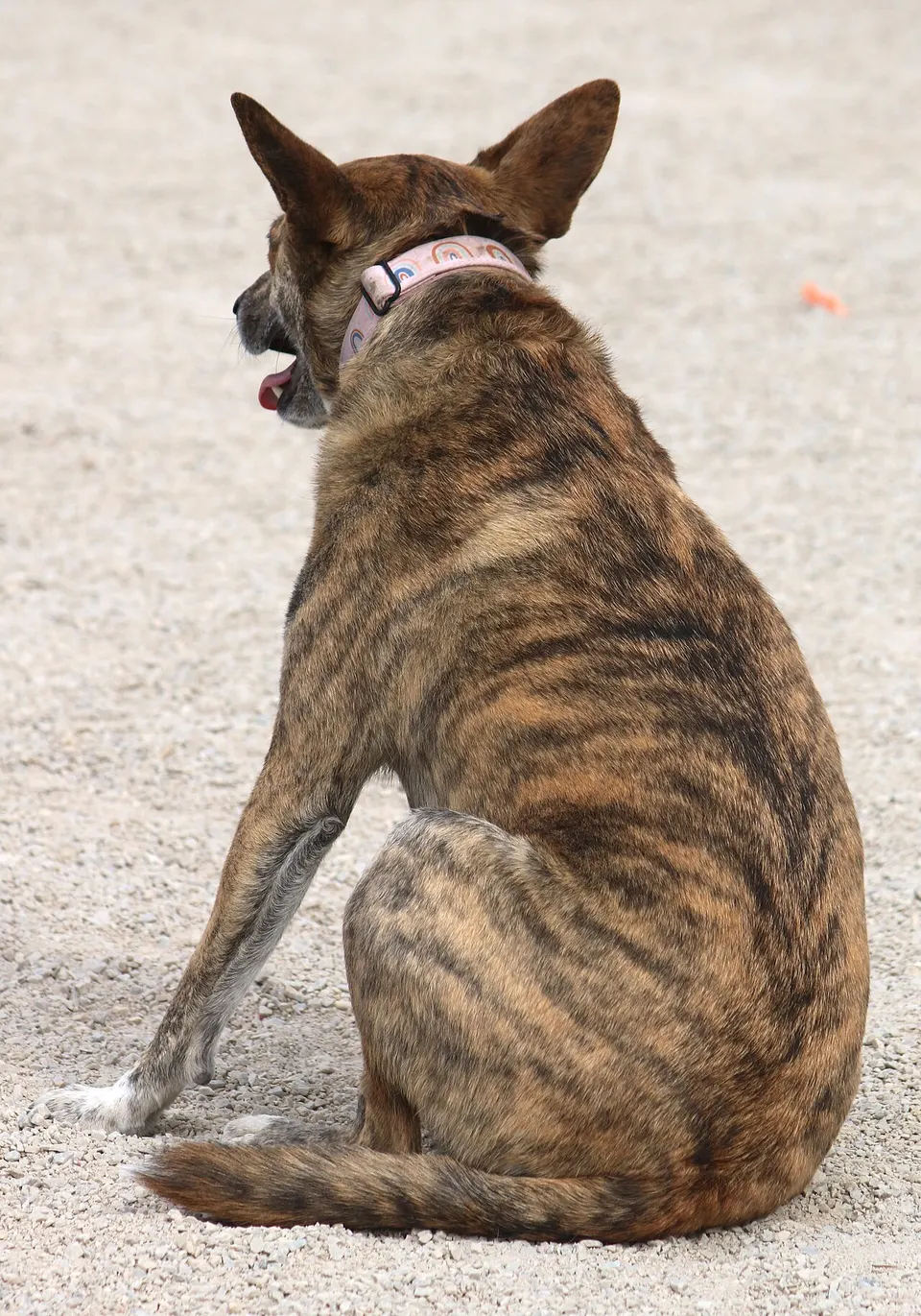
The Kai Ken, also known as the Tora Inu (Tiger Dog) for its distinctive brindle coat, is one of the six native Japanese spitz breeds and one of the rarest. Developed in the isolated Kai province of Japan (now Yamanashi Prefecture), these dogs were used for centuries to hunt deer and wild boar in the mountainous terrain. The breed's purity was maintained by the region's geographical isolation.
Designated a National Natural Monument of Japan in 1934, the Kai Ken is prized for its intelligence, athleticism, and strong devotion to its owner. Unlike some Japanese breeds that can be aloof, Kai Ken are known for forming exceptionally close bonds with their families while still maintaining the dignity and independence characteristic of Japanese breeds.
The Kai Ken is a breed that commands attention not just for its physical appearance but for the depth of personality and capability it brings to a household. With a lifespan averaging 12-16 years, the decision to welcome a Kai Ken into your family is one that will shape your daily routine, activity levels, and emotional life for well over a decade. This breed's intelligent, alert, loyal, brave temperament is the product of generations of selective breeding for specific traits—understanding this heritage provides valuable insight into why your Kai Ken behaves the way it does and what it needs from you as an owner to truly thrive.
Knowing a Kai Ken well means going beyond the basics of food and shelter.
Bringing a Kai Ken into your household means real changes to your daily rhythm.
Temperament & Personality
The Kai Ken has a distinctive, appealing temperament.
- Devoted & Loyal: Form exceptionally strong bonds with their families. Often called "one-person dogs" for their devotion.
- Intelligent: Very smart and quick to learn. They understand situations rapidly.
- Alert & Watchful: Excellent watchdogs who are aware of everything in their environment.
- Reserved but Not Aggressive: Naturally reserved with strangers but not typically aggressive.
- Athletic & Agile: Excellent climbers and swimmers. Known for climbing trees while hunting.
The intelligent, alert, loyal, brave nature of the Kai Ken is not a simple personality label—it is a complex behavioral profile shaped by breed history, individual genetics, early socialization experiences, and ongoing environmental factors. What this means in practice is that two Kai Ken from different lines, raised in different environments, can display meaningfully different behavioral tendencies while still sharing core breed characteristics.
Individual Kai Kens vary more than breed averages suggest. A 10-minute conversation with your vet turns generic guidance into a plan that actually fits your animal.
Common Health Issues
Kai Ken are generally very healthy dogs.
Generally Robust
- No Major Breed-Specific Issues: Natural selection and limited breeding have kept the breed healthy.
- Hip Dysplasia: Rare but can occur. Screening recommended for breeding dogs.
- Patellar Luxation: Occasional occurrence.
Minor Concerns
- Allergies: Some may develop environmental or food allergies.
- Eye Issues: Progressive Retinal Atrophy has been reported rarely.
- Thyroid Issues: Hypothyroidism occasionally reported.
Health Screening Recommendation
Kai Ken are remarkably healthy. Ask breeders about hip evaluations, eye exams, and any genetic testing available. The breed's small gene pool makes health-tested parents important. Consider Embark DNA testing.
The most useful health habit a Kai Ken owner can build is a relationship with one specific veterinary practice that knows your dog.
Cost of Ownership
Understanding the full cost helps prepare for Kai Ken ownership.
| Expense Category | Annual Cost Estimate |
|---|---|
| Food (premium quality) | $400-$700 |
| Veterinary Care (routine) | $250-$450 |
| Pet Insurance | $300-$550 |
| Grooming | $100-$250 |
| Training & Activities | $200-$500 |
| Supplies & Toys | $150-$300 |
| Total Annual Cost | $1,400-$2,750 |
Setting aside a small emergency fund beyond your regular Kai Ken care budget is practical, not pessimistic.
Exercise & Activity Requirements
Kai Ken are athletic dogs needing regular activity.
- Daily Exercise: 45-60 minutes of activity including walks and play
- Hiking: Excellent hiking companions; bred for mountain terrain
- Swimming: Many Kai Ken enjoy water
- Climbing: Unusual among dogs, they're known climbers - secure fencing important
- Mental Stimulation: Intelligent dogs who need mental challenges
Training Tips for Kai Ken
Kai Ken are trainable but require appropriate methods: Owners who invest the time to learn Kai Ken-specific behaviour patterns consistently avoid the corrective work that less prepared households have to do later.
- Early Socialization: Important to build confidence with strangers and new situations.
- Positive Reinforcement: They respond well to rewards and praise.
- Relationship-Based: Training works best when built on trust and mutual respect.
- Variety: Keep training interesting; they're smart and can get bored.
- Patience: They may take time to warm up but are willing learners once bonded.
Nutrition & Feeding
Proper nutrition supports Kai Ken health.
- Quality Protein: Active hunting dogs benefit from good protein sources.
- Moderate Portions: They're efficient eaters and don't need excessive food.
- Fish-Based Options: Some owners find Japanese breeds do well on fish-based foods.
- Regular Meals: Two meals daily work well.
- Fresh Water: Always available.
Top Food Choices for Kai Ken
The Farmer's Dog - Fresh, balanced meals | Ollie - Custom fresh food plans | Hill's Science Diet - Quality nutrition
Choosing the right food for your Kai Ken involves more substance than marketing. Flashy ingredient lists matter less than whether the nutritional profile matches your Kai Ken's life stage, size, and activity level. Pay attention to how your Kai Ken responds — coat condition, energy, digestion, and weight stability are the real indicators of whether a food is working.
Grooming Requirements
Kai Ken have moderate grooming needs.
- Brushing: Weekly brushing; daily during shedding season
- Shedding: Heavy seasonal shedding (coat blow) twice yearly
- Bathing: Every 4-6 weeks or as needed
- Coat Changes: Puppies are born dark and develop brindle pattern with age
- Ear Care: Weekly inspection and cleaning
- Nail Trimming: Every 2-3 weeks
- Dental Care: Regular brushing recommended
Is a Kai Ken Right for You?
Most Kai Ken planning bundles the same topics every time; stepping outside the default list, particularly to this area, frequently pays back.
Kai Ken Are Great For:
- Owners who appreciate Japanese breeds
- Active individuals or families
- Those seeking a loyal, devoted companion
- Experienced owners comfortable with primitive breeds
- People with secure fencing (they can climb!)
Kai Ken May Not Be Ideal For:
- First-time dog owners
- Those wanting an instantly social dog
- Homes without secure, high fencing
- People who don't have time for socialization
- Those seeking an off-leash dog (strong prey drive)
A Kai Ken is a rare brindle Japanese dog with a hunter's prey drive. Off leash, many of them leave. Some are sharp with other dogs. There are not enough dogs in Western clinics for anyone to promise you a long list of breed tests, so use a careful breeder, check hips and eyes anyway, and microchip the dog. The coat is short. The escape artist part is not. A reserved adult that watches strangers is normal. A dog that snaps at children is a management problem today, not a phase. Count on about 12-16 years with this animal when it stays healthy.
Related Breeds to Consider
If you're interested in Kai Ken, you might also consider.
- Shiba Inu - More common Japanese breed, similar temperament
- Shikoku - Another rare Japanese hunting breed
- Kishu Ken - White Japanese hunting dog
- Hokkaido - Larger Japanese primitive breed
Ask Our AI About Kai Ken
Related Health & Care Guides
Get Personalized AI Guidance
Ask Our AI NowDecision Guides for Kai Ken
Use these only when comparing food, insurance, ownership budget, or beginner fit for this specific pet.