Finnish Spitz
This page is educational reference material for preparing questions. A licensed veterinarian examines the animal, makes the diagnosis, and sets the treatment.
Affiliate links may earn a commission. Affiliate disclosure.
Quick Facts
| Attribute | Details |
|---|---|
| Breed Group | Non-Sporting |
| Size | Medium (20-33 lbs) |
| Height | 15-20 inches |
| Lifespan | 13-15 years |
| Temperament | Friendly, Alert, Playful |
| Good with Kids | Excellent |
| Good with Other Dogs | Good |
| Shedding | Heavy |
| Exercise Needs | Moderate to High |
| Trainability | Moderate |
| Origin | Finland |
| Beginner-Friendly | 3/5 |
Recommended for Finnish Spitzs
The Farmer's Dog - Fresh, human-grade meals | Embark DNA - Breed health screening | Spot Insurance - Comprehensive coverage
Finnish Spitz Overview
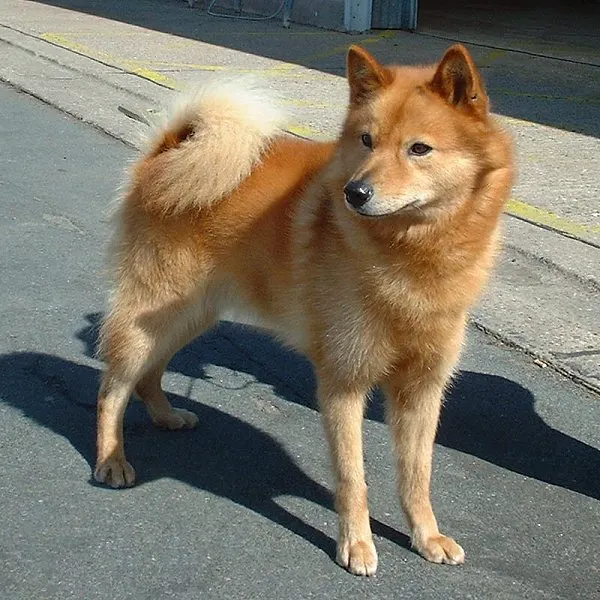
The Finnish Spitz is the national dog of Finland, known as "Suomenpystykorva" in Finnish, meaning "Finnish Pricked Ear Dog." This ancient breed has been hunting with the Finno-Ugrian people for thousands of years, primarily used to hunt game birds in the dense forests of Finland. Their distinctive fox-like appearance with a vibrant red-gold coat, pointed ears, and curled tail makes them instantly recognizable. Finnish Spitz are known as "bark pointers" - they locate birds in trees and bark continuously to alert hunters and hold the birds attention. This unique hunting style translates to a vocal nature in the home, as they communicate with a wide range of barks and vocalizations. Despite their barking tendency, they are wonderfully playful, friendly, and loyal family dogs with a natural affinity for children.
The Finnish Spitz is a breed that commands attention not just for its physical appearance but for the depth of personality and capability it brings to a household. With a lifespan averaging 13-15 years, the decision to welcome a Finnish Spitz into your family is one that will shape your daily routine, activity levels, and emotional life for well over a decade. This breed's friendly, alert, playful temperament is the product of generations of selective breeding for specific traits—understanding this heritage provides valuable insight into why your Finnish Spitz behaves the way it does and what it needs from you as an owner to truly thrive.
Caring well for a Finnish Spitz requires more than meeting their basic physical needs. Owners who approach Finnish Spitz care with this depth of knowledge create an environment where the animal can genuinely flourish.
Sharing your space with a Finnish Spitz means making room — literally and figuratively — for their specific needs. Owners who recognize this early and plan for it tend to have a much smoother experience than those who expect the Finnish Spitz to simply fit into their existing routine unchanged.
Temperament & Personality
The Finnish Spitz is known for being friendly, alert, playful.
The friendly, alert, playful nature of the Finnish Spitz is not a simple personality label—it is a complex behavioral profile shaped by breed history, individual genetics, early socialization experiences, and ongoing environmental factors. What this means in practice is that two Finnish Spitz from different lines, raised in different environments, can display meaningfully different behavioral tendencies while still sharing core breed characteristics.
Articles can describe the shape of a good Finnish Spitz diet; only a veterinarian can tune it to the animal at home.
Common Health Issues
Finnish Spitzs are generally healthy dogs, but like all breeds, they can be prone to certain conditions.
- Patellar Luxation: A breed-relevant condition that responsible breeders screen for and owners should be aware of.
- Hypothyroidism: A breed-relevant condition that responsible breeders screen for and owners should be aware of.
Veterinary Warning Signs
Watch for these signs that require veterinary attention.
- Extremely vocal breed - research noise tolerance before committing
- Strong prey drive requires secure fencing
- May be aloof with strangers initially
Consider Embark DNA testing to screen for breed-specific genetic conditions.
Keeping your Finnish Spitz healthy over the long haul requires attention to details that are easy to overlook.
If you are curious about your Finnish Spitz's inherited health profile, genetic testing can provide valuable context.
As your Finnish Spitz ages, their care needs will shift in ways that are easier to manage when anticipated.
Diet & Nutrition
Quality medium-breed formula. Feed 1.5-2 cups daily. Watch portions carefully as this breed can gain weight. Avoid overfeeding treats.
Top Food Choices for Finnish Spitzs
The Farmer's Dog - Fresh, pre-portioned meals | Chewy Autoship - Save on premium food
Housing & Environment
Adaptable but vocal - may not suit close-neighbor situations. Needs a securely fenced yard. Can handle cold climates exceptionally well.
Exercise & Activity Requirements
45-60 minutes of daily exercise. Enjoys walks, hikes, and play sessions. Mental stimulation through training and puzzle toys is important.
Grooming Requirements
Brush 2-3 times weekly, daily during heavy shedding. The double coat sheds profusely twice yearly. Never shave the coat. Bathe occasionally.
Cost of Ownership
| Expense Category | Annual Estimate |
|---|---|
| Food (premium quality) | $400-$900 |
| Veterinary Care (routine) | $300-$600 |
| Pet Insurance | $350-$700 |
| Grooming | $100-$400 |
| Supplies & Toys | $150-$350 |
| Total Annual Cost | $1500-$3000 |
No matter how carefully you plan, owning a Finnish Spitz will occasionally throw a curveball. A modest emergency fund — separate from your regular care budget — ensures that surprise expenses do not compromise the quality of care your Finnish Spitz receives.
Budgeting for a Finnish Spitz is easiest once you understand the spending curve.
Skipping a wellness check when your Finnish Spitz seems fine is tempting, but many conditions progress silently.
Insurance Considerations
Standard coverage adequate. Budget $30-50/month for insurance.
Insurance Options
Spot Insurance - Comprehensive breed coverage | Lemonade Pet - Fast, affordable plans
Socialization & Early Training
Early socialization is one of the most important investments you can make in your Finnish Spitz. Between 3-14 weeks of age, puppies are most receptive to new experiences. Expose your Finnish Spitz puppy to a wide variety of people, animals, sounds, surfaces, and environments in positive, controlled ways.
These classes provide controlled socialization opportunities while teaching basic manners. Continue socialization throughout your Finnish Spitz's life with regular outings, new experiences, and positive interactions with people and other animals.
Training a Finnish Spitz requires consistency, patience, and positive reinforcement. Their moderate trainability means they benefit from short, engaging training sessions that keep their interest.
Finding a Reputable Finnish Spitz Breeder
When searching for a Finnish Spitz, prioritize finding a responsible breeder who health-tests their breeding stock, socializes puppies from birth, and answers all your questions.
Alternatively, consider adoption through breed-specific rescue organizations. Many wonderful Finnish Spitzs are looking for second chances.
Daily Life with a Finnish Spitz
Living with a Finnish Spitz is a rewarding experience that requires a consistent daily routine. Throughout the day, your Finnish Spitz will appreciate having access to chew toys and puzzle feeders that provide mental enrichment while you attend to daily activities.
Finnish Spitzs thrive on routine and predictability. Remember that every dog is an individual - pay attention to your specific Finnish Spitz's signals and adjust the routine to match their energy levels and preferences as they age.
Finnish Spitzs Questions Owners Ask
Are Finnish Spitzs good family dogs?
Yes, Finnish Spitzs are excellent family dogs. Their friendly, alert, playful nature makes them wonderful companions for active families.
How much exercise does a Finnish Spitz need?
Finnish Spitzs require 45-60 minutes of daily exercise.
What are the most common health problems in Finnish Spitzs?
The most common health concerns in Finnish Spitzs include Patellar Luxation, Hip Dysplasia, Epilepsy. Regular veterinary checkups (as recommended by the AVMA for all companion animals), maintaining a healthy weight, and age-appropriate exercise all contribute to a longer, healthier life for your Finnish Spitz.
How much does it cost to own a Finnish Spitz?
The initial purchase price for a Finnish Spitz typically ranges from $1500 to $3000 from a reputable breeder. Emergency veterinary care and breed-specific health issues can add additional costs. Pet insurance is strongly recommended to help manage unexpected medical expenses.
Is a Finnish Spitz Right for You?
Most planning for a Finnish Spitz centres on the obvious items; this particular one rewards the attention that comparatively few owners give it.
Finnish Spitz May Be Great For:
- A keeper with a house, not a noise-restricted apartment, who wants a barking bird dog
- Someone who will fence the yard because squirrels erase the recall
- An owner who asks what the parents did about epilepsy and hips
Finnish Spitz May Not Be Ideal For:
- An apartment with a noise clause
- Anyone who wanted a quiet white spitz
- A home that expects off-leash hiking around wildlife
- Plan the adult size, the vet, and the daily work for the finnish spitz before it comes home.
The Finnish Spitz is not a dog for owners who need immediate compliance — this breed was developed to range freely, make its own decisions while hunting, and communicate back to its hunter through persistent, melodic barking. That bark is one of the most breed-specific traits to prepare for: it is frequent, purposeful, and not easily suppressed through standard training. Owners who accept the vocalization as an expression of the breed's working heritage rather than a flaw to be eliminated, and who redirect it through designated outlets, find a dog that is joyful, athletic, and genuinely unlike anything else in the spitz family.
The Finnish Spitz bark is the hunting method, and it will violate a lease. Do not buy one for an apartment with a noise rule. They are independent, and recall disappears when a squirrel moves. Use a fence. Epilepsy is reported often enough to ask the breeder what the parents did, and hips and kneecaps are reasonable screens. The coat is a moderate seasonal shed, not a Samoyed project. A healthy Finnish Spitz is still a loud dog. Training can shorten the racket. It will not delete it.
Related Breeds to Consider
Get Personalized Finnish Spitz Guidance
Have specific questions about your Finnish Spitz?
Ask Our AI NowDecision Guides for Finnish Spitz
Use these only when comparing food, insurance, ownership budget, or beginner fit for this specific pet.
Hear an adult Finnish Spitz bark before you take a puppy. The same voice that holds a grouse in a tree will announce every passerby. Ask the breeder for hip and eye results, and look at the square outline and the curled tail on the parents. A photo leaves the noise out, and the noise decides whether the dog fits the building.