Japanese Bobtail
This page is educational reference material for preparing questions. A licensed veterinarian examines the animal, makes the diagnosis, and sets the treatment.
Affiliate links may earn a commission. Affiliate disclosure.
Quick Facts
| Attribute | Details |
|---|---|
| Size | Medium (6-10 lbs) |
| Weight | Males: 7-10 lbs, Females: 6-8 lbs |
| Lifespan | 14-16 years |
| Temperament | Active, Intelligent, Social |
| Good with Kids | Excellent |
| Good with Other Pets | Excellent |
| Grooming Needs | Low to Moderate |
| Vocalization | Moderate to High |
| Activity Level | Very High |
Recommended for Japanese Bobtails
Basepaws DNA Test - Genetic health screening for cats | Spot Insurance - Comprehensive cat coverage | Chewy - Interactive toys and climbing structures
Japanese Bobtail Overview
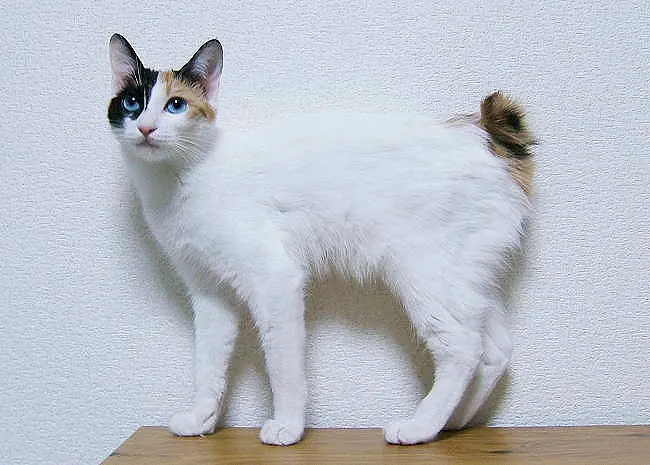
The Japanese Bobtail is an ancient breed that has been documented in Japan for over a thousand years. Their distinctive "pom-pom" tail, caused by a natural genetic mutation, makes each cat's tail unique - no two are exactly alike. In Japanese folklore, these cats are considered good luck, and the famous "Maneki Neko" (beckoning cat) figurine is based on the Japanese Bobtail.
Japanese Bobtails come in both longhair and shorthair varieties and in virtually any color or pattern. The most prized pattern in Japan is the "mi-ke" (pronounced mee-kay), a tricolor calico pattern of red, black, and white. These athletic, elegant cats have a distinctive hopping gait due to their longer back legs.
With a typical lifespan of 14-16 years, bringing a Japanese Bobtail into your home represents a significant commitment—one that, when properly informed, leads to one of the most rewarding companion animal relationships possible. The Japanese Bobtail's active, intelligent, social character is not simply a breed description but reflects deep-seated behavioral tendencies shaped by genetics, early socialization, and the breed's historical development. Understanding these underlying factors helps owners create environments and routines that bring out the best in their Japanese Bobtail.
What many prospective Japanese Bobtail owners discover quickly is that this breed has a distinctive personality that sets it apart from the generic notion of what a cat is like. The active, intelligent, social traits associated with Japanese Bobtail manifest in daily life through specific play preferences, social interaction patterns, vocalization tendencies, and activity rhythms. Some Japanese Bobtail are notably more interactive and demanding of attention than average, while others may display an independent streak that requires a different approach to bonding and enrichment. Understanding where your individual Japanese Bobtail falls on this spectrum—and adjusting your care approach accordingly—is one of the keys to a harmonious human-cat relationship.
What you read here is the template, not the answer, an in-person vet visit is where your Japanese Bobtail's plan gets personalized.
Temperament & Personality
Japanese Bobtails are known for their lively personalities.
- Highly Active: Athletic cats who love to run, jump, and play.
- Social: Thrive in company and enjoy meeting new people.
- Intelligent: Quick learners who can be taught tricks and games.
- Vocal: Communicate with a range of chirps, trills, and meows.
- Playful: Love interactive games, especially fetch.
- Travel-Friendly: Adapt well to travel and new environments.
The active, intelligent, social temperament of the Japanese Bobtail manifests in daily life through patterns of behavior that experienced owners learn to anticipate, appreciate, and manage. With Japanese Bobtail, these communicative behaviors are often more pronounced and distinctive than in many other breeds, which is part of what makes the breed so engaging for owners who take the time to learn their individual cat's behavioral vocabulary.
Common Health Issues
Japanese Bobtails are remarkably healthy with few breed-specific issues.
Tail Considerations
- Not a Health Issue: Unlike other bobtail mutations, the Japanese Bobtail's tail is not associated with any skeletal abnormalities.
- Tail Sensitivity: Some may have sensitive tails; handle gently.
General Health
- No Major Genetic Issues: This is one of the healthiest cat breeds.
- Strong Gene Pool: Long history as a natural breed has maintained genetic diversity.
- Standard Cat Health: May develop conditions common to all cats with age.
Health Screening Recommendation
While Japanese Bobtails are very healthy, regular veterinary care is still important. Consider Basepaws DNA testing for general health screening and breed verification.
Cost of Ownership
Understanding the full cost helps prepare for Japanese Bobtail ownership.
| Expense Category | Annual Cost Estimate |
|---|---|
| Food (premium quality) | $300-$500 |
| Veterinary Care (routine) | $150-$300 |
| Pet Insurance | $200-$400 |
| Grooming (supplies) | $40-$80 |
| Litter & Supplies | $200-$400 |
| Toys & Enrichment | $100-$200 |
| Total Annual Cost | $990-$1,880 |
Initial Costs: Japanese Bobtail kittens from reputable breeders typically cost $1,000-$1,800. Mi-ke (tricolor) cats may command higher prices.
Save on Japanese Bobtail Care
Chewy Autoship - 35% off first Autoship order, then 5% off repeat orders | Lemonade Pet - Cat accident & illness plans; prices vary by pet and state | Catit - Interactive play circuits
Care Requirements
Japanese Bobtails need engagement and activity.
- Active Play: Multiple vigorous play sessions daily.
- Fetch Games: Many love playing fetch - take advantage of this!
- Vertical Space: Cat trees and shelves for climbing and jumping.
- Social Time: They enjoy company and interaction.
- Companionship: Do well with other pets or a feline companion.
- Indoor Living: Best kept indoors with safe outdoor access.
Grooming Needs
Japanese Bobtails have moderate grooming needs.
- Shorthair: Weekly brushing is sufficient.
- Longhair: Brush 2-3 times weekly to prevent tangles.
- Coat Type: Silky, low-shedding coat that resists matting.
- Bathing: Rarely needed; they're good self-groomers.
- Nail Trimming: Every 2-3 weeks.
- Dental Care: Regular brushing recommended.
Nutrition & Feeding
Proper nutrition supports Japanese Bobtail health.
- High-Quality Protein: Their active lifestyle requires excellent protein.
- Active Cat Needs: May need more calories due to high activity level.
- Balanced Diet: No special dietary requirements.
- Measured Meals: Two to three meals daily.
- Fresh Water: Multiple sources; many enjoy water fountains.
Top Food Choices for Japanese Bobtails
Smalls Cat Food - Human-grade fresh cat food | Orijen - High-protein for active cats | Chewy - Premium cat food selection
Is a Japanese Bobtail Right for You?
Japanese Bobtails Are Great For:
- Active families who can provide lots of playtime
- Those who enjoy interactive, engaging cats
- Multi-pet households (they're very social)
- People who travel (they adapt well)
- Those who appreciate a healthy, long-lived breed
Japanese Bobtails May Not Be Ideal For:
- Those wanting a calm, sedate cat
- People who prefer quiet cats
- Those who can't provide regular active play
- People frequently away from home for long periods
A Japanese Bobtail is not for everyone, and that is perfectly fine. Spend time around actual Japanese Bobtail cats before committing. That firsthand experience is worth more than a hundred online guides.
Related Breeds to Consider
If you're interested in Japanese Bobtails, you might also consider.
- Manx - Another tailless/short-tailed breed
- Abyssinian - Similar activity level and intelligence
- Bengal - Athletic and playful
- Ocicat - Active and dog-like
Ask Our AI About Japanese Bobtails
Have specific questions about Japanese Bobtail health, behavior, or care? Our AI assistant can provide personalized guidance.
Related Health & Care Guides
Get Personalized AI Guidance
Ask Our AI NowDecision Guides for Japanese Bobtail
Use these only when comparing food, insurance, ownership budget, or beginner fit for this specific pet.