Why Does My Dog Have Hot Spots
Hot spots (moist dermatitis) in dogs: causes, treatment, prevention, and breeds prone to this painful skin condition.
What a Hot Spot Actually Is
A "hot spot" — acute moist pyotraumatic dermatitis — is a rapidly-developing, self-inflicted skin lesion where the dog has licked, chewed, or scratched a patch of skin raw, usually in under 24 hours. The lesion is red, wet, hairless, sharply demarcated, often sticky with serum and pus, and painful. The dog is doing the damage because something itches or hurts underneath — hot spots are a secondary presentation, not a primary disease, and that single fact drives everything useful about treatment and prevention. Merck Veterinary Manual and the American College of Veterinary Dermatology both emphasize identifying the trigger, not just clearing the surface infection.
When a Hot Spot Becomes a Same-Day Visit
A lesion larger than a silver dollar, a dog with fever (>103.5°F) or obvious pain when approached, pus with a foul odor, or a hot spot that appeared overnight in a thick-coated dog (German Shepherds, Goldens, Newfoundlands) all warrant same-day care. Under a heavy coat, bacterial pyoderma can track deep into the dermis and turn cellulitic in 24–48 hours.
What Started the Itch
A hot spot is the final frame of a longer film. The most common first frames, in order of frequency for dogs in most US regions:
- Flea-allergy dermatitis — a single flea bite is enough in a sensitized dog. The classic "hot spot zone" is the dorsal lumbosacral area (the base of the tail) — if that is where it is, assume fleas until proven otherwise.
- Atopic dermatitis (environmental allergy) — pollen, dust mites, mold. Typically bilateral paws, ventral abdomen, ears, axillae.
- Cutaneous adverse food reaction — requires an 8–12 week hydrolyzed or strict novel-protein trial to diagnose; blood/saliva allergy tests are not reliable for food diagnosis.
- Ear infection under a pendulous pinna — Cocker Spaniels, Labs, Goldens; the hot spot sits on the cheek below the ear.
- Anal sac disease — impacted or infected anal sacs produce scoot-and-chew behavior at the tail base and perineum.
- Surface moisture trapped by coat — wet dog left to dry with thick undercoat; swimming; not drying between toes/skin folds.
- Pain referral — a dog that cannot verbally tell you its elbow or hip hurts may lick or chew the skin over the painful joint. Lick granulomas and hot spots over a single joint warrant orthopedic exam and radiographs.
Breeds That Get Hot Spots Over and Over
Density and retention of the undercoat correlates directly with hot-spot risk, because a wet, warm skin microclimate under a thick coat is the ideal biofilm environment.
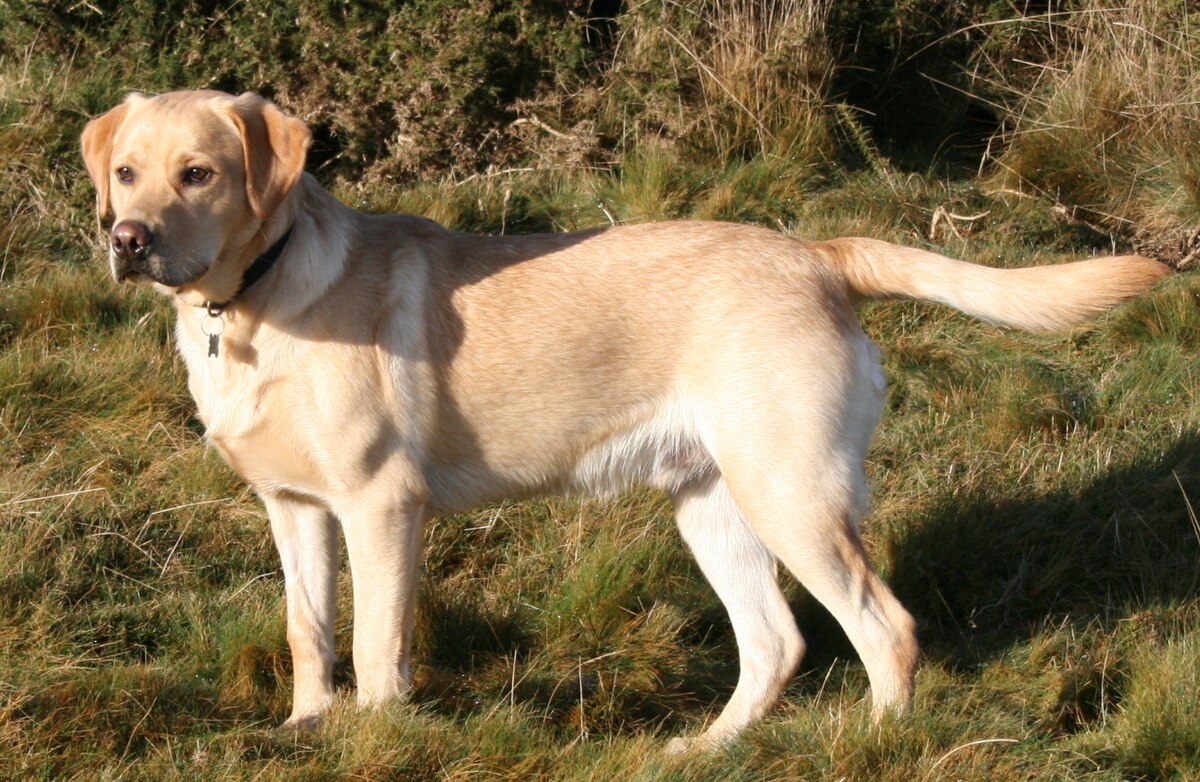
- Golden Retriever, Labrador Retriever, Bernese Mountain Dog, Newfoundland, Saint Bernard — thick double coats; nearly all present as a surprise-overnight hot spot on the flank, hip, or neck.
- German Shepherd — atopy plus heavy coat plus anal-sac disease; often gets hot spots at the tail base.
- Cocker Spaniel — pendulous ears drip onto the cheek; cheek hot spots are classic.
- Chow Chow, Keeshond, Husky — very dense coats; difficult to treat without clipping down to skin.
- Any atopic breed — West Highland White, French Bulldog, Shar-Pei, Boxer.
The First-Hour Plan
If you catch a hot spot early, the right moves in order are: clip, clean, cool, protect, treat the itch. Hair must come off. A 2–3 cm margin of hair around the lesion is clipped with a #10 or #40 blade — most clinics do this during the visit because it is painful and many dogs need a mild sedative. At home, without clippers, the lesion cannot dry and cannot heal; this is the single step owners miss most often.
After clipping, the lesion is cleaned with a chlorhexidine 2–4% solution twice daily. Dry it gently with a clean cotton pad. Cool compresses (clean damp washcloth, 5–10 minutes) reduce pain and heat. An Elizabethan collar (cone) is non-negotiable for 7–14 days — a hot spot the dog can reach is a hot spot that will not heal.
What the Vet Adds That Home Care Cannot
- Cytology of the lesion to rule out deep pyoderma, Pseudomonas, or yeast overgrowth; this decides whether topical is enough or systemic antibiotics are needed.
- Flea comb check — dark "flea dirt" on a damp paper towel turns red. In a flea-allergic dog, seeing no live fleas is common; finding flea dirt is definitive.
- Topical steroid–antibiotic combinations: sprays (Genesis, Neocort), ointments, or wipes. Short courses are very effective for surface lesions; they are not appropriate for deep or ulcerated wounds.
- Systemic antibiotics — cephalexin or clindamycin for 14–21 days if deep pyoderma is confirmed. Shorter courses are now preferred per the 2019 ACVIM antimicrobial use consensus.
- Anti-itch therapy — oclacitinib (Apoquel), lokivetmab (Cytopoint), or a short prednisone taper; controlling the itch stops the lesion from being re-traumatized.
- Modern flea prevention — isoxazoline class (Bravecto, NexGard, Simparica, Credelio). Pet-store spot-ons are not an adequate substitute for flea-allergic dogs. Wash all bedding in hot water at the same visit.
What It Costs in 2026
- Exam + cytology + clip/clean in clinic: $150–$300
- Topical sprays/wipes (chlorhexidine + steroid combos): $20–$60
- Oral antibiotics for 14–21 days: $40–$120
- Oclacitinib or Cytopoint injection: $70–$200 per month
- Elimination diet trial (8–12 weeks): $60–$120/month
- Dermatology referral with intradermal testing: $400–$800
- Allergen-specific immunotherapy: $200–$400 initial, ~$40/month maintenance
Owner Mistakes That Make It Worse
- Hydrogen peroxide or rubbing alcohol — these are tissue-toxic, delay healing, and hurt.
- Neosporin or triple-antibiotic ointment, indefinitely — small amounts on a dry lesion are fine, but under a thick coat it traps moisture. Dogs also lick it off.
- Skipping the cone — every hot-spot recurrence within a week is either a missed cone or a missed underlying cause.
- Bathing too aggressively — daily shampooing strips the skin's lipid barrier and can extend the lesion. Medicated bathing 1–2 times per week is the right cadence.
- Ignoring the pattern — three hot spots in a year is a sentinel for underlying allergy. Suppressing each one without diagnosing the driver guarantees a fourth.
- Using a human steroid cream like hydrocortisone cream long-term — absorption and licking matter; Cushingoid changes from inappropriate topical steroid use are a thing in dogs.
Prevention That Actually Works
For thick-coated dogs, dry thoroughly after swimming and bathing (towel, then a blow dryer on cool setting to the skin, not just the coat). Brush the undercoat out during heavy shed seasons; an ungroomed, matted coat holds moisture against skin. Year-round flea prevention is non-negotiable for flea-allergic dogs — every dog and cat in the household must be on it, because the biological reservoir is indoors 80% of the time. Atopic dogs benefit from weekly bathing with a colloidal-oatmeal or chlorhexidine shampoo during allergy seasons, and long-term omega-3 fatty acid supplementation (EPA/DHA at 50–100 mg/kg) has modest but real evidence for reducing pruritus.
Quick Answers
Can I treat a hot spot at home?
A small, shallow, newly-discovered lesion in a thin-coated dog often clears with home care: careful clipping, chlorhexidine, a cone, and 5–7 days of rest. Anything larger than a quarter, any lesion with pus or a bad smell, any lesion in a heavy-coated breed, or any recurrence belongs in the exam room.
How fast should it heal?
Surface lesions should visibly improve within 48–72 hours and be scabbed/dry within a week. If it is not drying in 3 days of consistent care, cytology and systemic therapy are the next step.
How much will treatment cost?
A first-time surface hot spot usually runs $180–$400 all-in. Recurrent hot spots driven by atopy and managed long-term with Apoquel or Cytopoint reach $900–$2,400 per year; immunotherapy adds upfront cost but often reduces drug spend over time.
Got a Specific Question?
If this is the third hot spot in twelve months, the conversation has moved from "treat the lesion" to "identify the driver." A dermatology workup pays for itself inside two years in most households.
Editorial and clinical review
This article was written by the Pet Care Helper AI editorial team and reviewed by Paul Paradis, editorial lead. We describe our verification workflow on the medical review process page and the clinical reference set on the editorial team page.
References checked for this page:
- Cornell Riney Canine Health Center — canine research reference
- ACVIM Consensus Statements — internal medicine standards
- AAHA Clinical Practice Guidelines — primary-care standards
- Merck Veterinary Manual — clinical reference
Disagree with something on this page? corrections@petcarehelperai.com — see the corrections log for how we handle published fixes.