Rottweiler Health Guide
This page is educational reference material for preparing questions. A licensed veterinarian examines the animal, makes the diagnosis, and sets the treatment.
Common Rottweiler health issues including cancer, hip dysplasia, heart conditions, and cruciate ligament tears. Covers prevention and screening.
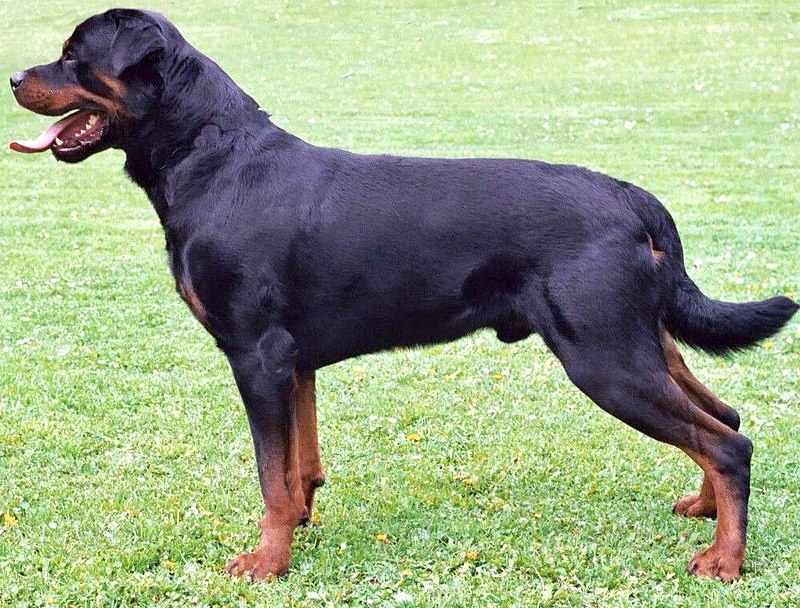
Hereditary Conditions
Adjust these ranges alongside your vet using concrete inputs: current body condition, exercise tolerance, known sensitivities, and current medication schedule.
Orthopedic Issues
- Joint and bone conditions common to the breed's body structure
- Weight management is critical for reducing orthopedic stress
- Appropriate exercise levels help maintain joint health without overloading
- Screening tests available for many genetic orthopedic conditions
Cardiac Concerns
- Breed-specific heart conditions that may develop with age
- Annual cardiac screening recommended for at-risk breeds
- Early detection allows for medication that can slow progression
Skin and Coat Conditions
- Allergies and dermatitis common in many breeds
- Proper grooming and nutrition help prevent skin issues
- Environmental and food allergy testing available
Preventive Testing Schedule
Breed-specific health screenings help identify genetic conditions early.
| Test | When | Why |
|---|---|---|
| Hip/Elbow Evaluation | 12-24 months | Screen for dysplasia |
| Cardiac Exam | Annual | Detect heart conditions |
| Eye Exam (CERF) | Annual | Screen for eye diseases |
| DNA Testing | Any age | Identify genetic risk factors |
| Blood Panel | Annual (biannual 7+) | Monitor organ function |
Dietary Considerations
Proper nutrition is foundational to breed health.
- Choose food formulated for your breed's size category (small, medium, large, or giant)
- Consider breed-specific formulas that address common health concerns
- Joint supplements (glucosamine, chondroitin, omega-3s) for breeds prone to orthopedic issues
- Appropriate calorie levels to maintain ideal body condition
- Fresh food diets can address specific health needs with veterinary guidance
Activity and Fitness
- Exercise intensity and duration should match breed energy levels and physical capabilities
- Avoid high-impact exercise in puppies until growth plates close
- Swimming is excellent low-impact exercise for breeds prone to joint issues
- Mental enrichment is just as important as physical exercise
- Senior pets benefit from gentle, consistent activity to maintain mobility
Lifespan Optimization
When the household genuinely understands this layer of Rottweiler Health Guide care, daily decisions stop feeling like emergencies. Your pet will show you what works through appetite, energy, coat, and behavior, adjust based on that evidence.
What is the best insurance for this breed?
Rottweiler insurance is for the cancer and the joints. Juvenile laryngeal paralysis and polyneuropathy can be prevented by testing the parents. A puppy that already has signs is a pre-existing case. The insurer counts that illness as having started before the policy. Osteosarcoma has no pet DNA test, which is why the policy has to exist before the first limp is written up as a tumor. Abnormal hip or elbow films from before the effective date are an orthopedic exclusion beside that.
Should I do genetic testing?
Rottweilers have one DNA test that prevents a severe puppy disease: juvenile laryngeal paralysis and polyneuropathy, JLPP, an autosomal recessive. Both parents should be tested or clear by parentage before a litter. Hip and elbow films, an eye exam, and listening for subaortic stenosis are still required, because osteosarcoma, the cancer this breed dies of, has no predictive pet test. A clear JLPP puppy can still be dysplastic. Ask for the JLPP result and the orthopedic films as separate documents.