Are Pugs Good with Kids? Family Guide
This page is educational reference material for preparing questions. A licensed veterinarian examines the animal, makes the diagnosis, and sets the treatment.
Is a Pug good for families with children? Temperament around kids, safety considerations, and age-appropriate interactions.
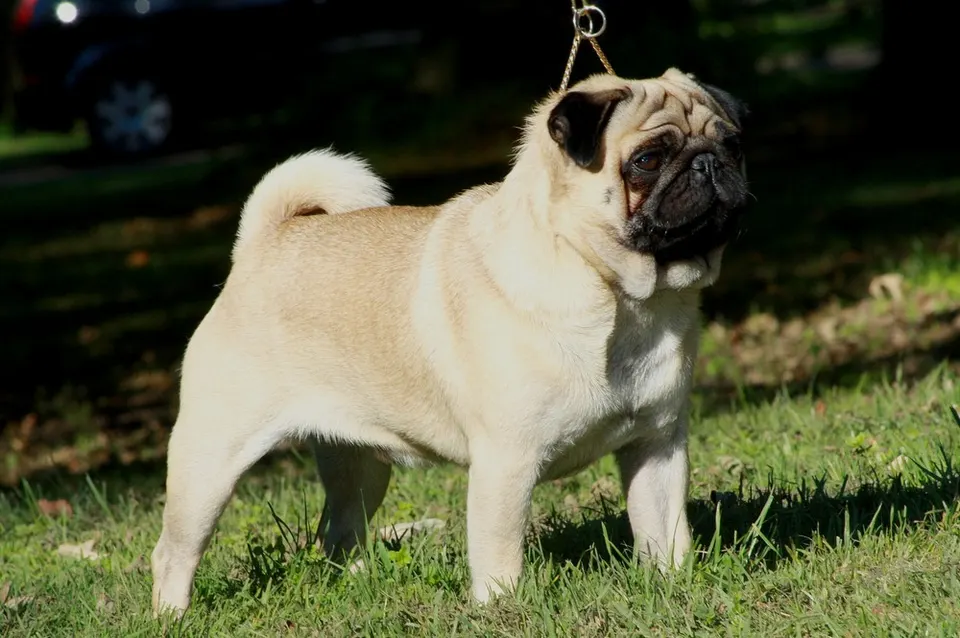
Family Compatibility
Pugs are small and somewhat fragile, so children must be taught gentle handling. They do best with older children who understand boundaries.
Weighing around 14-18 lbs and lifespan of 13-15 yrs, the Pug benefits from care tailored to its physical and behavioral profile. At 14-18 lbs with a life expectancy of 13-15 yrs, the Pug represents a significant commitment that rewards prepared owners with years of devoted companionship.
Health Predisposition Summary: Pugs show higher-than-average incidence of brachycephalic syndrome, eye problems, obesity based on breed health database data. Individual risk depends on lineage, environment, and care. Work with your vet to determine which screenings are appropriate at each life stage.
Age-Appropriate Interactions
At 14-18 lbs with a life expectancy of 13-15 yrs, the Pug represents a significant commitment that rewards prepared owners with years of devoted companionship. Pugs with low energy levels are more laid-back but still need daily engagement.
- Size: small (14-18 lbs)
- Energy Level: Low
- Shedding: Heavy
- Lifespan: 13-15 yrs
Health Monitoring
Care that accounts for breed predispositions leads to earlier detection and better prevention. The care profile for Pugs is anchored by a small build, heavy coat shedding, and breed-associated risk for brachycephalic syndrome and eye problems.
Teaching Children
Supervision Rules
Many experienced Pug owners recommend puzzle toys and interactive feeders for mental stimulation without overexertion.
Enrichment does not require expensive equipment. For Pug, simple activities like hiding treats around the house for discovery, using a muffin tin with tennis balls over kibble, or practicing basic obedience in new locations provide effective cognitive engagement. The goal is not complexity — it is variety and appropriate challenge level.
Best Ages for Introduction
Breed-aware prevention usually beats reactive treatment on both cost and quality-of-life measures. Watch for early signs of brachycephalic syndrome, maintain regular veterinary visits, and keep your dog at a healthy weight — excess weight worsens most of the conditions Pugs are prone to.
Veterinary Care Schedule for Pugs
Regular veterinary visits allow early detection of breed-associated conditions, when treatment is most effective. The recommended schedule for your Pug. These are baseline recommendations.
| Life Stage | Visit Frequency | Key Screenings |
|---|---|---|
| Puppy (0-1 year) | Every 3-4 weeks until 16 weeks, then at 6 and 12 months | Vaccinations, deworming, spay/neuter (consult AVMA guidelines on optimal timing) consultation |
| Adult (1-7 years) | Annually | Physical exam, dental check, heartworm test, vaccination boosters |
| Senior (7+ years) | Every 6 months | Blood work, urinalysis, Brachycephalic Syndrome screening, Eye Problems screening, Obesity screening |
Pugs should receive breed-specific screening for brachycephalic syndrome starting at 3-5 years of age or earlier if symptoms appear. Screening before symptoms appear makes a meaningful difference in outcomes.
Cost of Pug Ownership
Before committing to ownership, evaluate whether these costs are sustainable long-term for Pug ownership.
More Pug Guides
More pages about Pug.
- Pug Diet & Nutrition Guide
- Pug Pet Insurance Cost
- How to Train a Pug
- Pug Grooming Guide
- Pug Health Issues
- Pug Temperament & Personality
- Pug Exercise Needs
- Pug Cost of Ownership
Brachycephalic Airway Considerations
Key Questions
What are the most important considerations for pug with kids?
Pugs can make good family companions when properly socialized. Consider their energy level, size, and temperament when evaluating compatibility with children.