Labrador Weight Management and Obesity Prevention
Labrador Retrievers are one of the most popular dog breeds worldwide, but they're also one of the most prone to obesity. With approximately 60% of Labs classified as overweight or obese, understanding why they gain weight and how to prevent it is essential for every Lab owner. This guide provides science-based strategies for keeping your Labrador at a healthy weight.
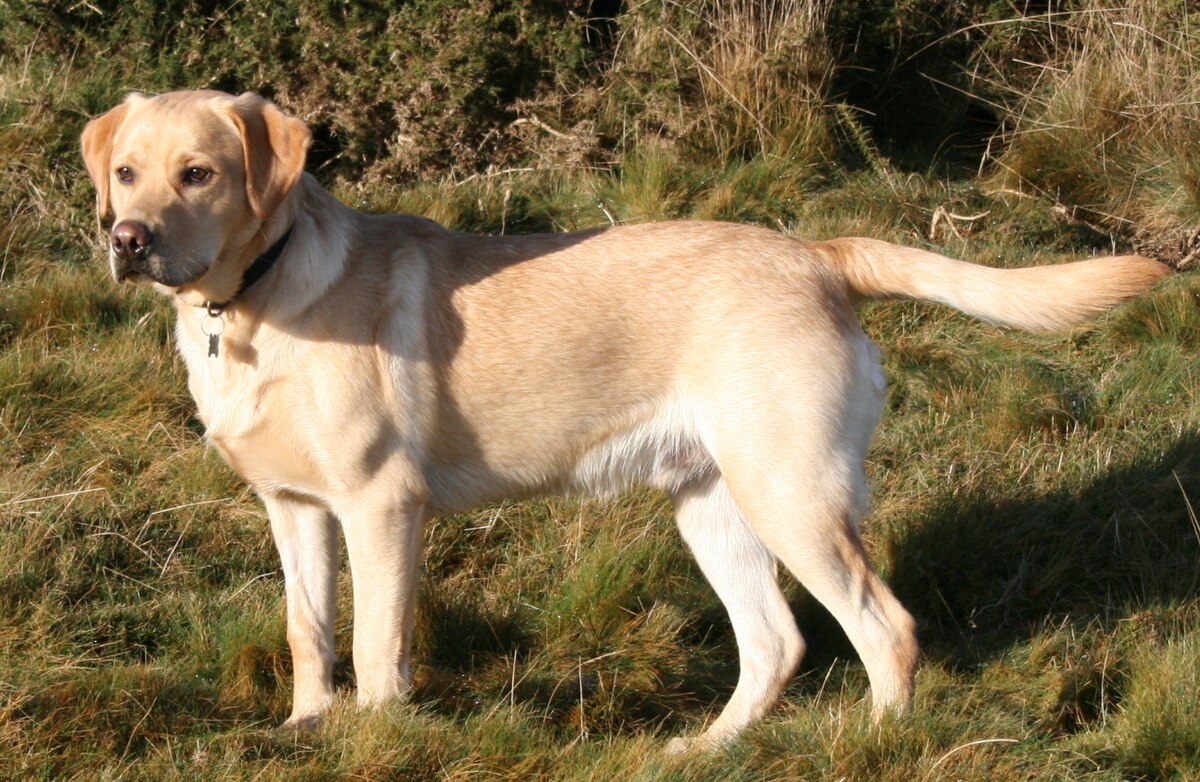
Why Labradors Are Prone to Obesity
Labrador Retrievers face an unique biological challenge with weight management, and it's not simply a lack of willpower.
The POMC Gene Mutation
Groundbreaking research at Cambridge University discovered a critical genetic factor.
- Approximately 25% of Labradors carry a mutation in the POMC gene
- This gene normally produces hormones that signal fullness after eating
- Labs with the mutation never feel truly satisfied after meals
- Affected dogs have significantly higher food motivation
- The mutation is even more common in assistance dog lines (selected for food motivation in training)
- Each copy of the mutation adds approximately 2 kg (4.4 lbs) to body weight
Breed Characteristics Contributing to Weight Gain
- Efficient metabolism: Bred to work in cold water, Labs conserve calories efficiently
- Food-driven nature: Their retrieving instinct makes them highly motivated by food rewards
- Friendly personality: Labs often successfully beg food from multiple family members
- Adaptability: Labs adjust to lower activity levels without reducing appetite
- Strong appetite: Even Labs without the POMC mutation tend to overeat if allowed
Your Lab Isn't Just Greedy
If your Labrador seems constantly hungry and obsessed with food, they may carry the POMC gene mutation. This is a genuine biological drive, not bad behavior. Understanding this helps you manage their diet with compassion while remaining firm about food limits.
Health Risks of Obesity in Labradors
Obesity isn't just a cosmetic concern - it significantly impacts health and lifespan.
Orthopedic Problems
- Hip dysplasia: Labs are already prone; excess weight accelerates joint damage
- Elbow dysplasia: Weight increases stress on already vulnerable joints
- Arthritis: Develops earlier and more severely in overweight dogs
- Cruciate ligament tears: Much more common in overweight dogs
- Intervertebral disc disease: Excess weight compresses the spine
Metabolic and Systemic Disease
- Diabetes mellitus: Significantly increased risk
- Heart disease: Heart works harder to supply larger body
- Respiratory problems: Fat deposits compress airways
- Liver disease: Fatty liver is common in obese dogs
- Pancreatitis: Often triggered by high-fat treats
- Certain cancers: Obesity linked to increased cancer risk
Impact on Lifespan and Quality of Life
- Reduced lifespan: Studies show obese dogs live 2+ years less than lean dogs
- Decreased mobility: Difficulty walking, running, climbing stairs
- Exercise intolerance: Tires quickly, pants excessively
- Heat sensitivity: Unable to regulate body temperature effectively
- Surgical risks: Higher anesthesia complications, slower healing
- Reduced quality of life: Less able to enjoy typical Lab activities
Assessing Your Labrador's Body Condition
Regular body condition assessment is more reliable than weighing alone, as ideal weight varies by build.
The Body Condition Score (BCS)
Use a 1-9 scale where 4-5 is ideal.
Underweight (1-3)
- Ribs, spine, hip bones easily visible
- No palpable fat
- Obvious waist and abdominal tuck
- Muscle wasting visible
Ideal Weight (4-5)
- Ribs easily felt with minimal fat covering
- Waist visible from above
- Abdominal tuck present when viewed from side
- Good muscle tone
Overweight (6-7)
- Ribs difficult to feel under fat layer
- Waist barely visible or absent
- Abdominal tuck minimal or absent
- Fat deposits over lumbar area and tail base
Obese (8-9)
- Ribs cannot be felt under heavy fat
- No waist visible; rounded appearance
- No abdominal tuck; belly may hang
- Obvious fat deposits over neck, limbs, spine
- Difficulty walking or breathing
Typical Healthy Weight Ranges
- Female Labradors: 55-70 pounds (25-32 kg)
- Male Labradors: 65-80 pounds (29-36 kg)
- Note: English (show) Labs tend toward higher end; American (field) Labs toward lower
- Individual variation exists - body condition score is more important than number on scale
Prevention: Keeping Your Lab at a Healthy Weight
Prevention is far easier than weight loss. These strategies help maintain ideal weight from puppyhood.
Feeding Strategies
- Measure every meal: Use a measuring cup or kitchen scale; never free-feed
- Calculate daily needs: Use your vet's recommendation based on ideal weight, not current weight
- Include treats in daily calories: Treats should be no more than 10% of daily intake
- Feed multiple small meals: 2-3 meals per day helps with satiety
- Use slow-feeder bowls: Extends meal time and increases satisfaction
- Never leave food out: Labs will eat until nothing remains
Choosing the Right Food
- Age-appropriate formulas: Puppy, adult, or senior as needed
- Quality protein sources: Named meat as first ingredient
- Moderate fat content: 12-16% for adults; lower for weight management
- Adequate fiber: Helps with fullness
- Weight management formulas: Consider if maintaining weight is challenging
Exercise Requirements
- Daily exercise: Minimum 30-60 minutes of activity daily for adults
- Swimming: Ideal exercise for Labs; easy on joints, great calorie burn
- Fetch and retrieval: Uses natural instincts; high-intensity exercise
- Leash walks: Steady exercise; good for bonding
- Mental stimulation: Puzzle feeders, training sessions burn mental energy
- Adjust for age: Seniors need gentler, shorter sessions
Managing Food-Seeking Behavior
- Secure trash cans: Labs are notorious trash raiders
- Use baby gates: Keep Labs out of kitchen during meal prep
- Train "leave it": Essential command for food-obsessed Labs
- Coordinate with family: Ensure everyone follows same feeding rules
- Don't feed from your plate: Creates begging behavior
- Use food puzzles: Extends eating time, provides mental stimulation
Weight Loss Program for Overweight Labradors
If your Lab is already overweight, a structured weight loss program is essential.
Setting Weight Loss Goals
- Consult your vet: Rule out medical causes and establish target weight
- Safe rate: 1-2% of body weight per week (1-2 lbs for most Labs)
- Timeline: Plan for gradual loss over several months
- Regular weigh-ins: Every 2 weeks to track progress
Dietary Adjustments for Weight Loss
- Calculate calories for target weight: Not current weight
- Reduce intake by 20-30%: From maintenance levels
- Switch to weight loss formula: Higher fiber, lower calorie density
- Add low-calorie bulk: Green beans, carrots, pumpkin add volume without calories
- Eliminate or minimize treats: Or use very low-calorie options
- Prescription diets: Available for dogs needing significant weight loss
Low-Calorie Treat Options
- Baby carrots (4 calories each)
- Green beans (raw or frozen)
- Apple slices (no seeds)
- Watermelon (seedless)
- Plain air-popped popcorn
- Ice cubes (some Labs love them)
- Small pieces of their regular kibble saved from meals
Exercise for Weight Loss
- Start slowly: Overweight dogs tire easily and risk injury
- Gradual increases: Add 5 minutes per week
- Swimming: Best exercise for overweight Labs; no joint stress
- Multiple short sessions: Better than one long session initially
- Watch for overheating: Obese dogs overheat quickly
- Underwater treadmill: Physical therapy option for severely obese dogs
Don't Crash Diet Your Lab
Dramatic calorie restriction can cause hepatic lipidosis (fatty liver) and nutritional deficiencies. Weight loss should be gradual and supervised by your veterinarian. Never reduce food by more than 30% without veterinary guidance.
Senior Labradors
- Metabolism slows with age; reduce calories accordingly
- Arthritis may limit exercise; swimming remains excellent option
- Senior formulas have lower calories and joint support
- Regular vet checks to monitor weight-related health issues
Labrador Puppies
- Don't let puppies become chubby - sets up lifelong problems
- Follow feeding guidelines carefully
- Body condition should be lean; rapid growth increases joint problems
- Large breed puppy food controls growth rate
Multi-Dog Households
- Feed dogs separately to prevent food stealing
- Pick up all food bowls after meals
- Monitor that Lab isn't eating other pets' food
- Train strong "leave it" and impulse control
When to Seek Veterinary Help
- Before starting any weight loss program
- If weight gain is sudden or unexplained
- If your Lab isn't losing weight despite diet and exercise
- If you notice increased thirst, urination, or other symptoms
- To rule out hypothyroidism or other metabolic conditions
- For severely obese dogs needing structured programs
Get Personalized Guidance for Your Labrador
Have questions about your Lab's weight, diet, or exercise needs? Our AI assistant can provide information based on your specific situation.