How to Train a Labrador Retriever
Labrador Retriever training. Tips for their high energy sporting breed temperament.
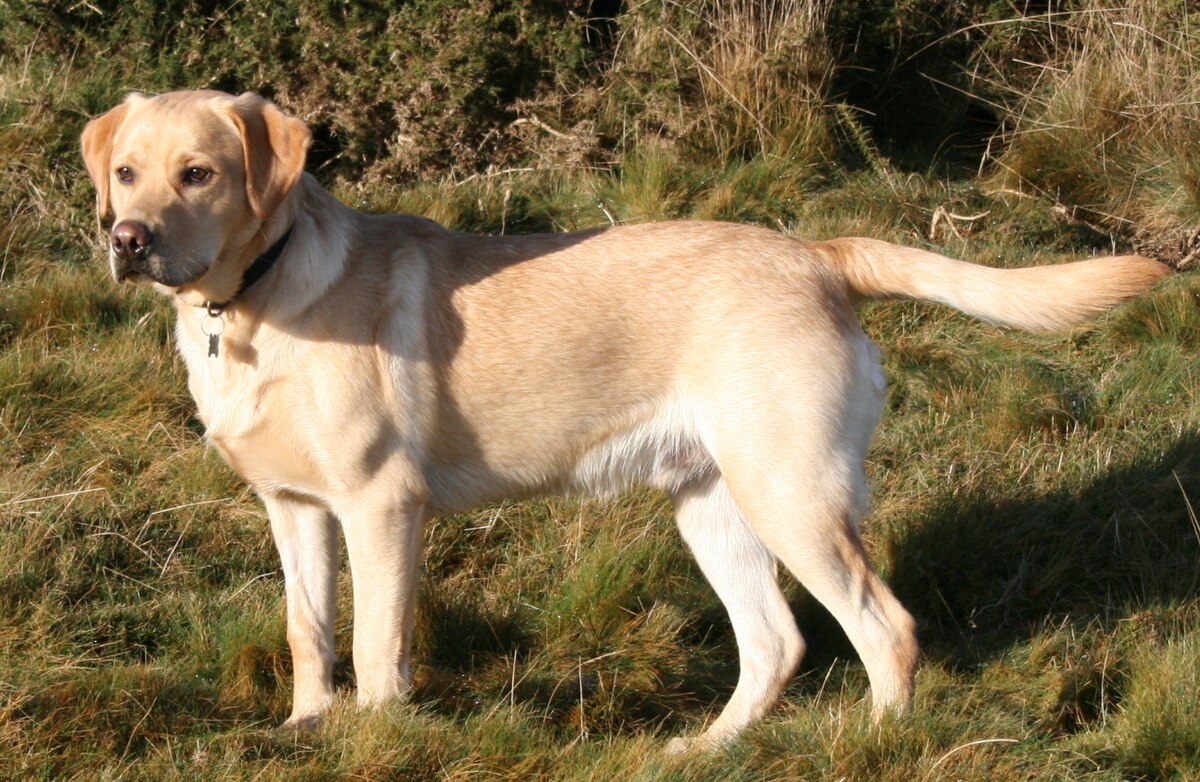
Training Approach
Labs were bred to work alongside fishermen in Newfoundland, hauling nets and retrieving fish from icy water. That history shows up every day in training: they want a job, they want to please you, and they have energy to burn. If you give a Lab clear direction and a reason to try, they will throw themselves into learning with genuine enthusiasm.
The biggest advantage you have with a Lab is their food motivation. Most Labs will do just about anything for a treat, which makes shaping new behaviors straightforward. The flip side is that you need to manage treat calories carefully, since this breed gains weight fast. Use small, low-calorie training treats and subtract them from daily food portions.
Genetic Health Considerations: The Labrador Retriever breed has documented susceptibility to hip dysplasia, elbow dysplasia, obesity. Awareness of these predispositions is valuable for two reasons: it guides preventive screening decisions, and it helps you recognize early symptoms that might otherwise be overlooked.
Labrador Retriever Training Challenges
The number one frustration new Lab owners face is mouthy behavior. Lab puppies chew everything: hands, furniture, shoes, the leash itself. This is not aggression -- it is a retriever doing what retrievers do. Redirect to appropriate chew toys consistently, and the phase passes faster. Pulling on leash is the other big one, because a 70-pound Lab who spots a squirrel can drag most adults off their feet.
- Size: large (55-80 lbs)
- Energy Level: High
- Shedding: Heavy
- Common Health Issues: Hip Dysplasia, Elbow Dysplasia, Obesity
- Lifespan: 10-13 yrs
Socialization
Labs tend to be naturally friendly, which can lull owners into skipping socialization. That is a mistake. A Lab who has never encountered wheelchairs, motorcycles, or toddlers may react with over-excited lunging or fearful barking when they finally do. Expose your Lab puppy to a wide range of people, surfaces, sounds, and environments between 8 and 14 weeks old, while they are still in that sponge-like learning phase.
Pay special attention to water introduction. Most Labs take to water naturally, but a bad first experience can create lasting hesitation. Start with shallow, calm water and let the puppy wade in at their own pace. Forced dunking or throwing a puppy into a lake almost always backfires.
Obedience Commands
Start with "sit" and a solid recall -- those two commands alone prevent most dangerous situations. Labs learn "sit" almost effortlessly because they naturally orient toward you when you hold food. Recall is harder, especially outdoors, because everything smells interesting to a retriever nose. Practice recall in low-distraction settings first, then gradually add distractions. Never punish a Lab for coming to you slowly; that teaches them to avoid coming at all.
- Teach "leave it" early -- Labs will eat anything off the ground, and some of those things are dangerous
- Practice "drop it" with retrieving games so they learn to release objects willingly
- Work on loose-leash walking daily, using direction changes to keep their attention on you
- Train a solid "place" or "bed" command for settling down indoors
- Introduce "wait" at doorways and before meals to build impulse control
Advanced Training
Labs shine in dock diving, hunt tests, and field trials because these activities tap into what they were literally built for: swimming, retrieving, and working at a distance from their handler. If competitive sports are not your thing, structured retrieving games in the backyard accomplish much of the same mental and physical workout.
Nose work is another natural fit. Labs rank among the top breeds used for detection work by law enforcement and search-and-rescue teams. You can start simple: hide a favorite toy in another room, then gradually increase difficulty by adding more rooms and longer wait times before the search begins.
Once your Lab has solid obedience basics, consider off-leash reliability training in enclosed areas. Labs who earn genuine off-leash recall get dramatically more exercise and mental stimulation on hikes and at dog-friendly beaches, which pays off in calmer behavior at home.
Common Behavior Issues
Counter surfing is practically a Lab specialty. They are tall enough to reach kitchen counters and motivated enough to try every time you turn your back. Management is the first line of defense: keep food pushed back, use baby gates, and never leave a plate unattended. Pair that with a trained "off" command and rewarding four-on-the-floor behavior around food prep areas.
Jumping on guests is another classic Lab problem. They are social dogs who get genuinely thrilled when people arrive. Teach an incompatible behavior like "go to your mat" before guests enter, and have visitors ignore the dog until all four paws are on the ground. Consistency from every person who walks through the door is what actually fixes this.
Destructive chewing in adult Labs usually signals insufficient exercise or boredom, not teething. A Lab who has had a proper run or swim and a puzzle feeder is far less likely to dismantle your couch cushions. If the chewing targets specific objects when you leave the house, separation anxiety may be the underlying cause -- talk to your vet or a certified behaviorist.
Veterinary Care Schedule for Labrador Retrievers
A five-minute vet conversation is how generic pet guidance becomes a plan fitted to your specific animal.
| Life Stage | Visit Frequency | Key Screenings |
|---|---|---|
| Puppy (0-1 year) | Every 3-4 weeks until 16 weeks, then at 6 and 12 months | Vaccinations, deworming, spay/neuter (consult AVMA guidelines on optimal timing) consultation |
| Adult (1-7 years) | Annually | Physical exam, dental check, heartworm test, vaccination boosters |
| Senior (7+ years) | Every 6 months | Blood work, urinalysis, Hip Dysplasia screening, Elbow Dysplasia screening, Obesity screening |
Labrador Retrievers should receive breed-specific screening for hip dysplasia starting at 1-2 years of age, as large breeds develop structural issues early. Catching problems early gives you more treatment options and better odds.
Cost of Labrador Retriever Ownership
- Annual food costs: $600–$1,200 for high-quality dog food
- Veterinary care: $300–$700 annually for routine visits, plus potential emergency costs
- Grooming: $65–100 per professional session (daily brushing home grooming recommended)
- Pet insurance: $50–80/month for comprehensive coverage
- Supplies and toys: $200–$500 annually for bedding, toys, leashes, and other essentials
More Labrador Retriever Guides
Dig deeper into care topics for Labrador Retriever .
- Labrador Retriever Diet & Nutrition Guide
- Labrador Retriever Pet Insurance Cost
- Labrador Retriever Grooming Guide
- Labrador Retriever Health Issues
- Labrador Retriever Temperament & Personality
- Labrador Retriever exercise makes joint care a priority from puppyhood. The OFA recommends hip and elbow evaluations at two years old, but PennHIP screening can identify risk as early as 16 weeks. During the growth phase, avoid repetitive high-impact exercise like long runs on pavement or jumping from heights -- stick to swimming, controlled leash walks, and soft-surface play. Labs who stay lean during their first two years have significantly better joint outcomes over their lifetime. Keeping your adult Lab at a body condition score of 4-5 out of 9 is one of the most meaningful things you can do for their long-term mobility.
Quick Answers
Think of this as the knowledge layer that most pet owners skip and later wish they had started with. Small tweaks based on how your pet actually reacts usually beat rigid adherence to a template.
What are the most important considerations for how to train a labrador retriever?
Most of the meaningful decisions come down to three things: picking food that matches life stage, keeping preventive care on schedule, and adjusting routine as the animal ages. The sections above go deeper on each.