How to Train a Boxer
Boxer training. Tips for their high energy working breed temperament.
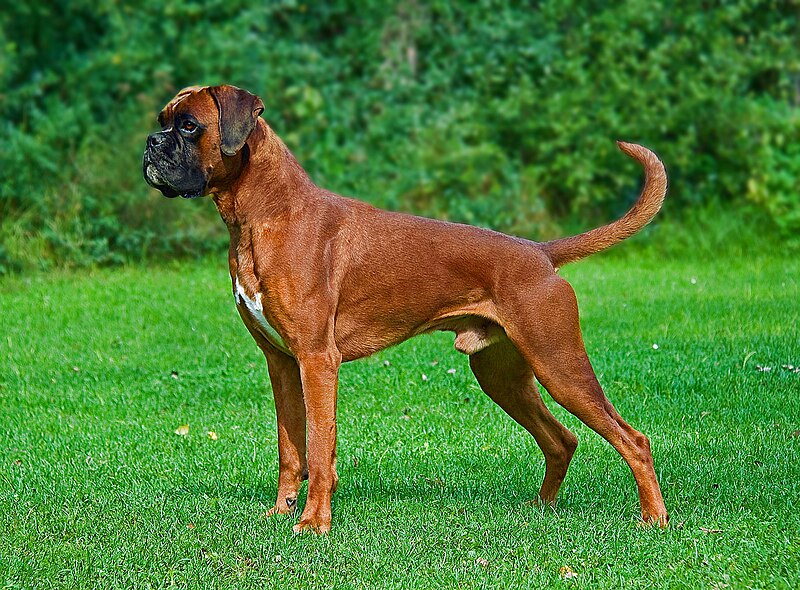
Training Approach
Boxers are clowns with muscles. They learn fast but get bored faster, and a bored Boxer in the middle of a training session will start goofing off -- spinning, bouncing, or deliberately doing the wrong command to see your reaction. The key is keeping things upbeat and mixing up exercises frequently.
Positive reinforcement is the only approach that works consistently with Boxers. Harsh corrections make them either shut down or become defiant. They thrive on enthusiasm, food rewards, and physical praise like chest scratches.
Genetic Health Considerations: The Boxer breed has documented susceptibility to cancer, heart disease, hip dysplasia. Awareness of these predispositions is valuable for two reasons: it guides preventive screening decisions, and it helps you recognize early symptoms that might otherwise be overlooked.
Boxer Training Challenges
The extended puppyhood is the biggest Boxer training challenge. While most breeds settle by 18 months, Boxers can act like oversized puppies until age three. That means three years of jumping, mouthing, and testing boundaries. Patience and consistency during this period pay off enormously -- a well-trained adult Boxer is one of the best family dogs you can own.
- Size: large (50-80 lbs)
- Energy Level: High
- Shedding: Light
- Common Health Issues: Cancer, Heart Disease, Hip Dysplasia
- Lifespan: 10-12 yrs
Socialization
Boxers are naturally social and typically love people, but they can develop dog-selectivity, especially with same-sex dogs. Puppy classes and regular positive interactions with other dogs throughout the first year help prevent this. Expose them to dogs of different sizes and play styles.
Teach your Boxer to greet people calmly. Their natural enthusiasm leads to jumping, face-licking, and full-body wiggles that can knock over children and elderly visitors. Practice greeting exercises with every person who comes through the door until calm greetings become habit.
Obedience Commands
Start with impulse control commands: "wait," "leave it," and "place" (go to your bed and stay there). Boxers are physically powerful and impulsive, so these three commands handle most real-world situations. "Place" is especially useful -- it gives you a way to manage the dog during meals, when guests arrive, or when you need them to just chill for a few minutes.
Use a front-clip harness for walks. Boxers pull hard, and a standard collar can restrict their already-compromised airway (brachycephalic breeds breathe less efficiently). A front-clip harness redirects pulling without creating breathing issues.
- Aim for 1-2 hours of activity daily, mixing walks with play and training to keep things engaging
- Feed a high-quality diet formulated for large breed dogs (1,400–2,200 calories/day)
- Maintain a weekly grooming routine
- Schedule breed-appropriate health screenings for cancer
- Policies written before any diagnosis has been made tend to be cheaper and more comprehensive than those added later.
Advanced Training
Boxers excel at agility, rally obedience, and dock diving. Their athletic build and love of play make these sports a natural fit. Even casual backyard agility -- jumping over broomsticks, weaving through cones -- gives them the structured physical challenge they need.
Nose work is another excellent option. Hide treats or scented objects around the house and let your Boxer find them. This tires them out mentally faster than running does physically, which is valuable on days when weather limits outdoor exercise.
Be careful with heat during training. Boxers overheat quickly due to their short muzzle. Keep water available, train in shade or indoors during summer, and watch for signs of heat stress: excessive panting, drooling, or slowing down. Stop immediately if you see these signs.
Common Behavior Issues
Jumping is the universal Boxer issue. They express excitement through vertical launches, and at 50-80 pounds, that is not charming for long. Turn your back completely when they jump, and only give attention when all four feet are on the floor. Every family member and visitor needs to follow the same rule, or the jumping will persist.
Mouthing is the other common complaint, especially in young Boxers. They play with their mouths, and those mouths are strong. Redirect to a toy immediately when mouthing starts, and end play if it continues. Yelping (like a hurt puppy) works for some Boxers but amps others up -- read your individual dog.
Boxers need structure to thrive. A predictable daily routine -- morning exercise, midday calm, evening play -- reduces the zoomies, demand barking, and counter-surfing that happen when a Boxer has too much unstructured time and energy.
Veterinary Care Schedule for Boxers
Veterinary care frequency should adjust as your pet ages. Below is the recommended schedule, though your vet may adjust based on individual health for your Boxer. Adjust the schedule based on your vet's advice.
| Life Stage | Visit Frequency | Key Screenings |
|---|---|---|
| Puppy (0-1 year) | Every 3-4 weeks until 16 weeks, then at 6 and 12 months | Vaccinations, deworming, spay/neuter (consult AVMA guidelines on optimal timing) consultation |
| Adult (1-7 years) | Annually | Physical exam, dental check, heartworm test, vaccination boosters |
| Senior (7+ years) | Every 6 months | Blood work, urinalysis, Cancer screening, Heart Disease screening, Hip Dysplasia screening |
Boxers should receive breed-specific screening for cancer starting at 1-2 years of age, as large breeds develop structural issues early. Proactive testing tends to pay for itself in avoided complications.
Cost of Boxer Ownership
No two pet eat, digest, or thrive identically; a veterinarian can personalize the plan beyond what any article can.
- Annual food costs: $600–$1,200 for high-quality dog food
- Veterinary care: $300–$700 annually for routine visits, plus potential emergency costs
- Grooming: $65–100 per professional session (weekly home grooming recommended)
- Pet insurance: $50–80/month for comprehensive coverage
- Supplies and toys: $200–$500 annually for bedding, toys, leashes, and other essentials
More Boxer Guides
Dig deeper into care topics for Boxer .
- Boxer Diet & Nutrition Guide
- Boxer Pet Insurance Cost
- Boxer Grooming Guide
- Boxer Health Issues
- Boxer Temperament & Personality
- Boxer Exercise Needs
- Boxer Cost of Ownership
- Adopt a Boxer
Cancer Surveillance Protocol
The Boxer's elevated cancer risk necessitates a proactive surveillance approach. Breed-specific cancer incidence data from veterinary oncology registries suggests Boxers face higher-than-average risk compared to mixed-breed dogs of similar size. Regular veterinary examinations should include thorough lymph node palpation, abdominal palpation, and discussion of any new lumps or behavioral changes. The Veterinary Cancer Society recommends that owners of high-risk breeds learn to perform monthly at-home checks for abnormal swellings, unexplained weight loss, or persistent lameness.
Hip and Joint Health Management
Master this layer of pet care and everything from feeding to vet visits becomes more predictable. No two pet behave exactly alike, so let your own pet's cues guide the small adjustments that matter.
Cardiac Health Monitoring
Owners who engage with their pet-specific guidance, rather than generic pet advice, tend to spot problems sooner.
What are the most important considerations for how to train a boxer?
Training a Boxer: Complete Guide works best with consistent, positive methods tailored to their temperament and energy level. Early socialization is also critical.