Devon Rex Cat Temperament & Personality
This page is educational reference material for preparing questions. A licensed veterinarian examines the animal, makes the diagnosis, and sets the treatment.
Devon Rex cat personality, behavior traits, and temperament. high energy level, affection, and compatibility with families and other pets.
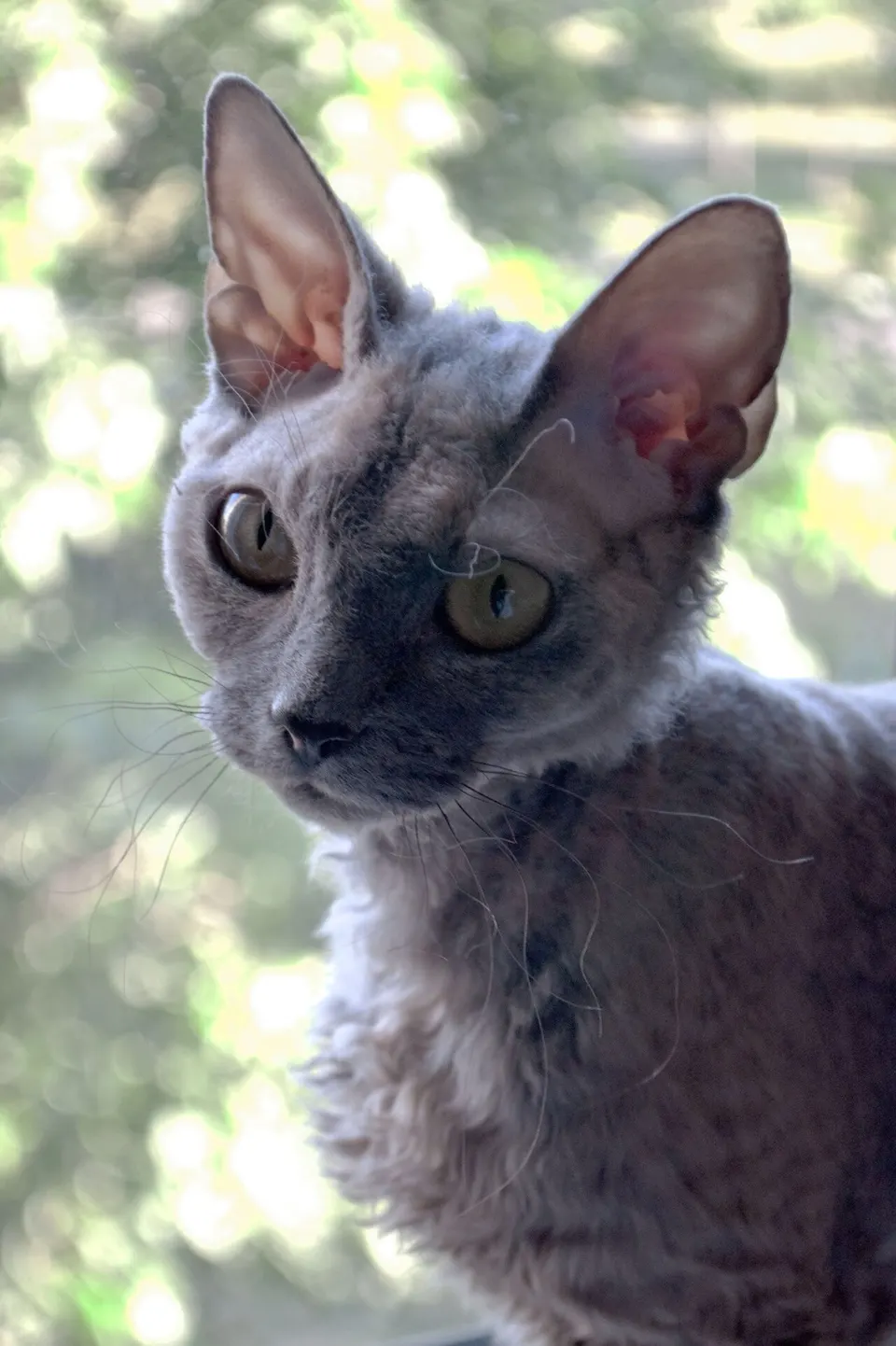
Core Temperament
The Devon Rex is known for being a high-energy cat breed with a distinctive personality. Their unique blend of traits makes them well-suited for the right owner and lifestyle.
Weighing around 5-10 lbs and lifespan of 9-15 yrs, the Devon Rex has specific care needs shaped by its genetics and build. What makes the Devon Rex remarkable among small cat breeds is the interplay between their physical characteristics and the behavioral patterns that emerge from their genetic heritage.
Genetic Health Considerations: The Devon Rex breed has documented susceptibility to HCM, luxating patella, myopathy. Awareness of these predispositions is valuable for two reasons: it guides preventive screening decisions, and it helps you recognize early symptoms that might otherwise be overlooked.
Household Integration
Breed traits give you a general idea, but every pet has its own personality. Devon Rex need their drive channeled consistently rather than sporadically; a reliable schedule of physical and mental work produces a calmer animal and a calmer household.
- Size: small (5-10 lbs)
- Energy Level: High
- Shedding: Light
- Lifespan: 9-15 yrs
Social Behavior with Pets
A routine shaped by breed particulars outperforms a generic routine in almost every measurable way. Devon Rexs bring a small build, a light shedding pattern, and breed-specific health risk around HCM and luxating patella — each of those shifts routine care in a different direction.
Check with your vet on diet decisions. They see the full health record, which matters most when your cat has ongoing conditions that a generic food recommendation won't account for.
Physical Activity Needs
What makes the Devon Rex remarkable among small cat breeds is the interplay between their physical characteristics and the behavioral patterns that emerge from their genetic heritage. High-energy breeds need physical and mental outlets every day — without them, behavioral problems like inappropriate scratching, excessive vocalization, or redirected aggression are common.
- Maintain a weekly grooming routine
Territorial Behavior
Knowing what to watch for gives you a real head start on breed-related problems. Watch for early signs of HCM, maintain regular veterinary visits, and keep your cat at a healthy weight — excess weight worsens most of the conditions Devon Rex Cats are prone to.
Behavioral issues often decrease when daily patterns become reliable. Predictable meal times, exercise windows, and rest periods provide a framework that reduces anxiety. Set up regular times for meals, activity, grooming, and rest. High-energy Devon Rexs especially benefit from knowing when their exercise time is coming — it helps them settle during calmer periods.
Veterinary Care Schedule for Devon Rexs
| Life Stage | Visit Frequency | Key Screenings |
|---|---|---|
| Kitten (0-1 year) | Every 3-4 weeks until 16 weeks, then at 6 and 12 months | Vaccinations, deworming, spay/neuter (consult AVMA guidelines on optimal timing) consultation |
| Adult (1-7 years) | Annually | Physical exam, dental check, heartworm test, vaccination boosters |
| Senior (7+ years) | Every 6 months | Blood work, urinalysis, HCM screening, Luxating Patella screening, Myopathy screening |
Devon Rexs should receive breed-specific screening for HCM starting at 3-5 years of age or earlier if symptoms appear. Catching problems early gives you more treatment options and better odds.
Cost of Devon Rex Ownership
More Devon Rex Guides
Dig deeper into care topics for Devon Rex .
- Devon Rex Diet & Nutrition Guide
- Devon Rex Pet Insurance Cost
- Devon Rex Grooming Guide
- Devon Rex Health Issues
- Devon Rex Cost of Ownership
- Adopt a Devon Rex
- Devon Rexs and Children
- Devon Rex Lifespan Guide
Quick Answers
What are the most important considerations for devon rex cat temperament?
Devon Rex Cats have distinct personality traits that prospective owners should understand. Consider their energy level, socialization needs, compatibility with your household, and the time commitment required for training and enrichment.