Belgian Malinois exercise & Fitness Guide
This page is educational reference material for preparing questions. A licensed veterinarian examines the animal, makes the diagnosis, and sets the treatment.
How much exercise does a Belgian Malinois need? Activity recommendations for this large high-energy herding breed.
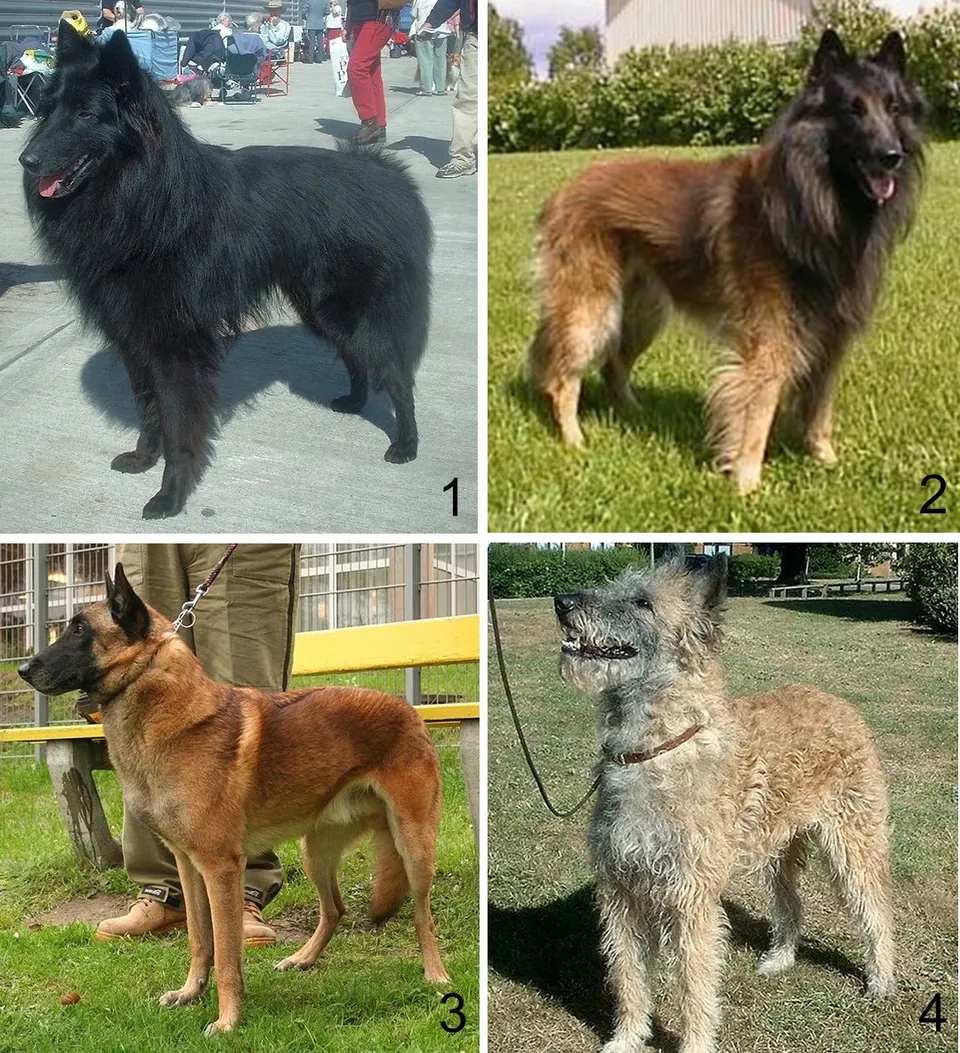
Daily exercise daily. This is a high-energy breed that thrives with vigorous activities like running, hiking, fetch, and swimming.
At 40-80 lbs with a 14-16 yrs lifespan, the Belgian Malinois has a health and temperament profile that rewards close attention rather than generic care. Few breeds combine boundless energy with the Belgian Malinois's distinctive character quite so effectively.
Health Awareness: Watch Belgian Malinoiss for hip dysplasia, elbow dysplasia, progressive retinal atrophy, all documented at breed level. An individual animal may never show symptoms, yet the cost-benefit of targeted screening is strongly favorable: most of these respond far better to early intervention than late.
Best Activities
While each animal has its own personality, breed-level data helps establish realistic expectations. The high-energy profile of Belgian Malinois calls for consistent physical and mental outlets; occasional effort will not absorb it.
- Size: large (40-80 lbs)
- Energy Level: High
- Shedding: Moderate
- Lifespan: 14-16 yrs
Exercise by Age
Knowledge of breed-specific characteristics directly translates to better day-to-day care. Plan Belgian Malinoiss care around a large body size, moderate shedding, and the breed's documented predisposition toward hip dysplasia and elbow dysplasia.
Mental Stimulation
Indoor Activities
Mental stimulation is as important as physical exercise for Belgian Malinois. Boredom is the root cause of most destructive behavior — not disobedience. Puzzle feeders, scent work, and novel experiences challenge your Belgian Malinois's mind in ways that a standard walk cannot. Change up the routine regularly: the same toys and the same routes lose their enrichment value quickly.
Signs of Under-Exercise
Building prevention around a breed's documented risks is one of the higher-leverage calls an owner can make. Watch for early signs of hip dysplasia, maintain regular veterinary visits, and keep your dog at a healthy weight — excess weight worsens most of the conditions Belgian Malinois are prone to.
Veterinary Care Schedule for Belgian Malinoiss
| Life Stage | Visit Frequency | Key Screenings |
|---|---|---|
| Puppy (0-1 year) | Every 3-4 weeks until 16 weeks, then at 6 and 12 months | Vaccinations, deworming, spay/neuter (consult AVMA guidelines on optimal timing) consultation |
| Adult (1-7 years) | Annually | Physical exam, dental check, heartworm test, vaccination boosters |
| Senior (7+ years) | Every 6 months | Blood work, urinalysis, Hip Dysplasia screening, Elbow Dysplasia screening, Progressive Retinal Atrophy screening |
Belgian Malinoiss should receive breed-specific screening for hip dysplasia starting at 1-2 years of age, as large breeds develop structural issues early. Proactive testing tends to pay for itself in avoided complications.
Cost of Belgian Malinois Ownership
More Belgian Malinois Guides
- Belgian Malinois Diet & Nutrition Guide
- Belgian Malinois Pet Insurance Cost
- How to Train a Belgian Malinois
- Belgian Malinois Grooming Guide
- Belgian Malinois Health Issues
- Belgian Malinois Cost of Ownership
- Adopt a Belgian Malinois
Hip and Joint Health Management
The difference between a household that understands this layer and one that is guessing at it shows up in the Belgian Malinois Exercise Guide's day-to-day steadiness. Some iteration is normal, a pet tends to signal clearly when something fits and when it does not.