Australian Shepherd
This page is educational reference material for preparing questions. A licensed veterinarian examines the animal, makes the diagnosis, and sets the treatment.
Adopting an Australian Shepherd: breed-specific rescues, what to expect, adoption costs, and preparing your home for a rescued Australian Shepherd.
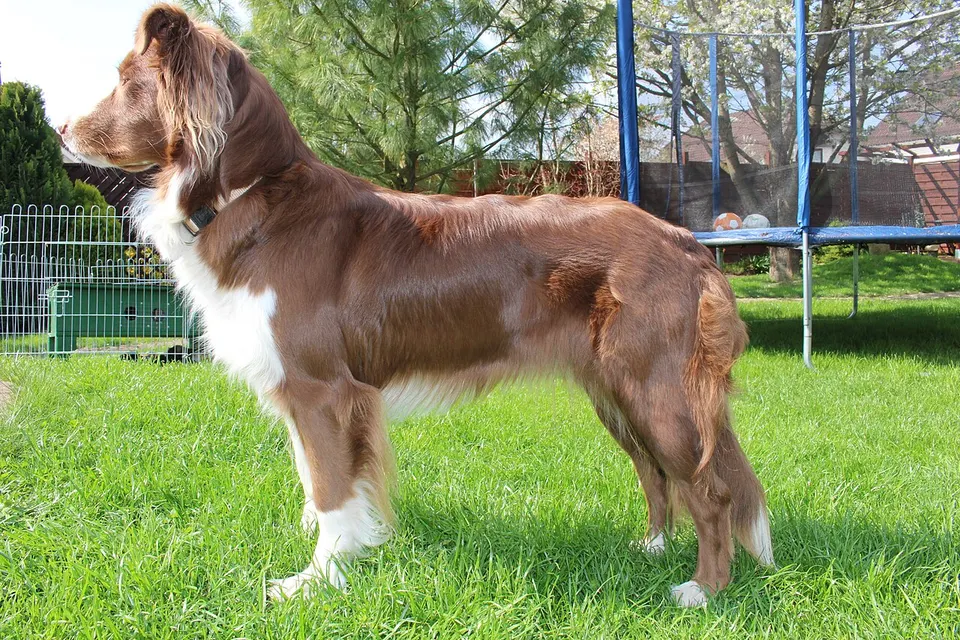
Finding an Australian Shepherd to Adopt
Australian Shepherds are surrendered to rescue when their energy and intelligence overwhelm owners who expected a calmer dog. The breed's popularity on social media means people buy Aussie puppies for their looks without understanding that this is a working dog that needs a job. By age one, an under-stimulated Aussie has usually remodeled the house.
Aussie Rescue and Placement Helpline (ARPH) is the largest breed rescue network, coordinating placements across the country. Regional groups affiliated with the Australian Shepherd Club of America also place dogs year-round.
Health Awareness: Predispositions seen in Australian Shepherds include hip dysplasia, epilepsy, cataracts.
Breed-Specific Rescues
Breed rescues foster Aussies in homes where their herding behaviors, noise sensitivity, and energy levels can be honestly evaluated. Ask the foster family specifically about the dog's herding instinct -- many Aussies nip at children's heels, chase bikes, and try to herd other pets, which needs to be managed from day one.
- Size: medium (40-65 lbs)
- Energy Level: High
- Shedding: Heavy
- Lifespan: 12-15 yrs
Shelter Adoption
Shelters often have Aussie mixes, and many carry the same herding drive as purebreds. Ask to observe the dog's behavior on a walk -- an Aussie that fixates on moving objects (cars, joggers, other dogs) is showing herding instinct that will need training and management at home.
Shelter adoption fees typically run $150-$400. Breed rescues charge $300-$600 and usually include MDR1 gene testing (which identifies dangerous drug sensitivities common in the breed), basic vetting, and a behavioral assessment.
What to Expect
Aussies are working dogs that happen to live in pet homes. They have an almost compulsive need to be doing something, and they notice everything in their environment. They form intense bonds with their owner, often choosing one person as "their human." They shed heavily, vocalize when excited or frustrated, and will stare at you with those striking eyes until you give them something to do.
Preparing Your Home
A securely fenced yard is strongly recommended. Aussies are agile enough to clear four-foot fences and smart enough to find weak spots. Six-foot fencing is the standard recommendation. If you do not have a yard, you need a solid plan for daily off-leash exercise in a safe, enclosed area.
Remove or protect anything at tail height. Aussies have long, enthusiastic tails that sweep coffee tables clean. Move breakables up and invest in spill-proof water bowls.
Stock up on grooming supplies before your Aussie arrives. Their double coat needs brushing several times a week, and during the twice-yearly coat blow, you will fill a grocery bag with fur in a single brushing session. A high-velocity dryer is a worthwhile investment if you plan to groom at home.
First Days Home
Aussies need a decompression period, but they also need structure from the start. Do not skip exercise during the first week thinking the dog needs rest -- an Aussie with pent-up energy in an unfamiliar house will find destructive outlets. Establish a walking and play routine immediately.
Watch for herding behavior directed at family members, especially children who run and squeal. An Aussie nipping at a toddler's ankles is not being aggressive -- it is herding. Redirect this behavior to appropriate outlets like fetch, tug, and structured games.
Book a vet visit within the first week. Ask about MDR1 gene testing if the rescue did not provide it (certain common medications including ivermectin are dangerous for MDR1-affected dogs), a hip evaluation, and an eye exam. These three screens cover the most significant Australian Shepherd health risks and should be part of any new-owner baseline.
Veterinary Care Schedule for Australian Shepherds
| Life Stage | Visit Frequency | Key Screenings |
|---|---|---|
| Puppy (0-1 year) | Every 3-4 weeks until 16 weeks, then at 6 and 12 months | Vaccinations, deworming, spay/neuter (consult AVMA guidelines on optimal timing) consultation |
| Adult (1-7 years) | Annually | Physical exam, dental check, heartworm test, vaccination boosters |
| Senior (7+ years) | Every 6 months | Blood work, urinalysis, Hip Dysplasia screening, Epilepsy screening, Cataracts screening |
Australian Shepherds should receive breed-specific screening for hip dysplasia starting at 3-5 years of age or earlier if symptoms appear. Proactive testing tends to pay for itself in avoided complications.
Cost of Australian Shepherd Ownership
More Australian Shepherd Guides
- Australian Shepherd Pet Insurance Cost
- How to Train an Australian Shepherd
- Australian Shepherd Grooming Guide
- Australian Shepherd Health Issues
- Australian Shepherd Exercise Needs
- Australian Shepherd Cost of Ownership
Hip and Joint Health Management
What are the most important considerations for adopting an australian shepherd?
Adopting an Australian Shepherd requires research into breed-specific needs, finding reputable rescues or breeders, and preparing your home for their arrival.
Got a Specific Question?
Australian Shepherds in rescue are often adolescents with a herding habit and no off switch. Ask the rescue what the dog herds, how it does with cats, and whether MDR1, eye, and hip results are known. A herding dog that was surrendered for nipping children needs a management plan before it comes home. The adoption fee is smaller than the training and the fence.