African Pygmy Hedgehog
This page is educational reference material for preparing questions. A licensed veterinarian examines the animal, makes the diagnosis, and sets the treatment.
Affiliate links may earn a commission. Affiliate disclosure.
Quick Facts
| Attribute | Details |
|---|---|
| Type | Hedgehog |
| Size | 6-8 inches |
| Lifespan | 4-6 years |
| Temperament | Shy, Nocturnal |
| Difficulty | Intermediate |
| Origin | Central Africa |
African Pygmy Hedgehog Overview
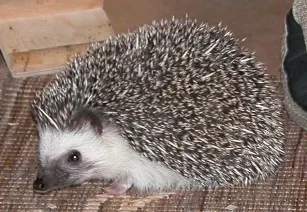
The African pygmy hedgehog is Atelerix albiventris, a small spiny mammal from Central Africa, not a miniature porcupine and not a rodent that happens to own quills. This card lists adults at 6 to 8 inches, a lifespan of 4 to 6 years, a shy and nocturnal temperament, and intermediate difficulty. The animal sleeps through the day and runs, eats, and makes a mess after the household has gone quiet. Someone who wants a pet that is awake for dinner and a weekend afternoon is buying the wrong shift.
They need a warm room, about 72 to 80 F. A cooler spare bedroom can drop body temperature and leave the hedgehog sluggish and difficult to warm safely. Heat lamps aimed at a plastic bin are a burn risk, not a substitute for a room that already sits in that band. The setup is a solid-floor enclosure with a hide, a wheel, and bedding that stays dry. It is not a pocket that travels in a coat all day. This is not a low-work pocket pet.
Ownership is illegal in some US states and in some cities. The keeper has to check the law where they live before anyone picks an animal or pays a breeder. A seller who ships across state lines does not write the ordinance in the buyer's town. If the answer from animal control or the state wildlife office is no, the project stops there.
Anointing is normal. A hedgehog will foam saliva and spread it along the spines, often after a new smell, and the episode looks like a fit to someone who has never seen it. The behavior passes. It is not rabies, and it is not the neurologic disease described below. Waking the animal out of a deep daytime sleep to show guests will produce a ball of spines long before it produces a friendly lap pet.
Wobbly hedgehog syndrome is a real progressive neurologic disease. Weakness, wobbling, and falling that do not resolve are a veterinary problem, not a quirk of a shy animal and not a repeat of anointing. The disease worsens over time. No home trick reverses it. A hedgehog that suddenly cannot stand deserves a clinician who has seen the species, and the 4 to 6 year lifespan is short enough that waiting a month uses up a large share of it.
Temperament & Behavior
Food is an insectivore ration: a diet made for hedgehogs, plus insects, not a bowl of dog kibble and fruit. Obesity is common when the wheel is missing and the treats are constant. Teeth still matter on a small mouth, and a hedgehog that stops eating needs a scale and a vet, because a 6 to 8 inch animal has little reserve. Annual food and bedding on this card is listed in a wide band, which is a hint that the real cost tracks how the animal is actually fed and housed, not a single bag from a mall shop.
Handling is a slow night project. They ball, hiss, and puff when startled, and quills are a defense, not a costume. Four to six years of cage cleaning, nail checks, temperature watching, and a legal address is the commitment behind an animal that looks easy because it is small. Intermediate on the card means the husbandry has rules. Cute photos taken at noon do not show the noise, the running wheel, or the local law.
Housing & Environment Requirements
Provide an appropriately sized habitat for your African Pygmy Hedgehog. Ensure the habitat meets the specific size, temperature, and enrichment requirements for this species.
Diet & Nutrition
Provide a species-appropriate diet with fresh water always available. Research specific nutritional requirements.
Feeding an African Pygmy Hedgehog well is less about following trends and more about paying attention to your specific animal. Some African Pygmy Hedgehogs do great on standard kibble; others need a different approach due to allergies, sensitivities, or individual metabolism. Work with your vet to find what works, and be willing to adjust as your African Pygmy Hedgehog's needs change with age.
Learning to read a pet food label takes five minutes and will serve you for the life of your African Pygmy Hedgehog. Look at the guaranteed analysis for protein and fat percentages that match your African Pygmy Hedgehog's needs.
Common Health Issues
Research common health concerns specific to African Pygmy Hedgehogs and find a veterinarian experienced with this species before bringing one home. Early veterinary intervention is crucial as small animals can deteriorate quickly.
Taking care of an African Pygmy Hedgehog's long-term health means knowing what to watch for and when to act.
Genetic testing gives African Pygmy Hedgehog owners a head start on conditions that might otherwise catch them off guard. By understanding which health risks are written into your African Pygmy Hedgehog's DNA, you can work with your vet to schedule targeted checks and make informed choices about diet, exercise, and supplementation.
The shift from prime adulthood to the senior phase is gradual for most African Pygmy Hedgehogs, and the owners who navigate it best are the ones who adapt their care approach incrementally.
Grooming & Maintenance
Beginner-Friendly Rating: Intermediate
African Pygmy Hedgehogs are suitable for keepers with some experience.
Before acquiring an African Pygmy Hedgehog, research thoroughly and prepare the habitat in advance. Join online communities and forums dedicated to exotic pet keeping to connect with experienced keepers who can offer guidance specific to African Pygmy Hedgehog care.
Socialization & Enrichment
Environmental enrichment is essential for African Pygmy Hedgehogs to thrive in captivity. Rotating enrichment items keeps the environment novel and stimulating. Observe your pet to learn its individual preferences for play and interaction.
Always wash hands before and after handling any pet. Learn to read your African Pygmy Hedgehog's body language to understand when they are comfortable, stressed, or unwell.
Where to Find African Pygmy Hedgehogs
Find African Pygmy Hedgehogs through reputable breeders, specialty pet shops, or rescue organizations. Ensure any animal you acquire appears healthy, alert, and well-cared-for. Online communities can help connect you with responsible sources in your area.
Cost of Ownership Overview
| Expense | Estimated Cost |
|---|---|
| Initial Setup (habitat + supplies) | $100-$500+ |
| Animal Purchase | $10-$500+ |
| Annual Food & Bedding | $150-$500 |
| Annual Vet Care | $50-$200 |
The numbers in the table above are averages — your actual spending will depend on where you live, your African Pygmy Hedgehog's individual health, and the choices you make about food quality, insurance, and grooming. Cities tend to be pricier for vet care. Rural areas may require longer drives to specialists.
Year one hits the wallet hardest. Once those one-time costs are behind you, annual spending drops — though it tends to creep back up as your African Pygmy Hedgehog ages and needs more frequent veterinary attention in the later years.
Preventive care is not glamorous, but it is the single best investment you can make in your African Pygmy Hedgehog's health. Routine wellness exams catch problems early, when treatment is simpler and cheaper. Most veterinary professionals agree that consistent preventive care extends both the length and quality of an African Pygmy Hedgehog's life.
Daily Care Routine for African Pygmy Hedgehogs
Establishing a consistent daily care routine ensures your African Pygmy Hedgehog stays healthy and thriving. Ensure habitat conditions (temperature, humidity) are within appropriate ranges.
Are African Pygmy Hedgehogs good pets for children?
African Pygmy Hedgehogs are better suited for older children or teens who can understand and meet their specific care requirements.
How much space do African Pygmy Hedgehogs need?
African Pygmy Hedgehogs require an appropriately sized habitat that meets their specific needs. Research species-specific housing requirements. Always provide more space than the minimum recommendation when possible.
How long do African Pygmy Hedgehogs live?
African Pygmy Hedgehogs typically live 4-6 years with proper care. Consider the time commitment before acquiring any pet.
What veterinary care do African Pygmy Hedgehogs need?
Find a veterinarian experienced with African Pygmy Hedgehogs before bringing one home. Annual wellness exam (AAHA Preventive Healthcare Guidelines are recommended for most species.
Long-Term Commitment & Responsible Ownership
Owning an African Pygmy Hedgehog is a commitment for the animal's full lifespan of 4-6 years.
Identify pet sitters experienced with African Pygmy Hedgehogs, connect with online and local communities, and ensure you have emergency veterinary access. Teaching responsible pet ownership to children through proper care of an African Pygmy Hedgehog creates lasting values about compassion and commitment.
Get Personalized African Pygmy Hedgehog Guidance
Have specific questions about your African Pygmy Hedgehog?
Ask Our AI NowDecision Guides for African Pygmy Hedgehog
Use these only when comparing food, insurance, ownership budget, or beginner fit for this specific pet.
Is an African Pygmy Hedgehog Right for You?
Follow-up reading for African Pygmy Hedgehog households — the pages below answer the questions most owners hit within the first year.
African Pygmy Hedgehog May Be Great For:
- A keeper who wants a solitary, nocturnal insectivore and has checked whether the state allows hedgehogs
- Someone who will keep the cage warm, about the mid-70s, and watch the weight
- An owner who knows wobbly hedgehog syndrome and dental disease need a vet, not a warmer blanket alone
African Pygmy Hedgehog May Not Be Ideal For:
- A child who wants a daytime cuddle pet
- A state where hedgehogs are illegal
- Anyone who will house two together. They are solitary
- Plan the adult size, the vet, and the daily work for the african pygmy hedgehog before it comes home.
Owning an African Pygmy Hedgehog is a commitment measured in years, not months. The enthusiasm of the first few weeks fades, and what remains is a daily routine of feeding, exercise, grooming, and vet visits. If that sounds like a satisfying rhythm rather than a burden, you are probably in a good position to move forward. If it sounds exhausting, it is worth reconsidering.
Strip everything else away and African Pygmy Hedgehog ownership comes down to the relationship. Grooming, vet visits, and training are the operating costs; what they buy is an animal that recognises you, trusts you, and integrates into the household. Most African Pygmy Hedgehog owners describe that dynamic as the reason the rest of it is worth doing.