Sulcata Tortoise
This page is educational reference material for preparing questions. A licensed veterinarian examines the animal, makes the diagnosis, and sets the treatment.
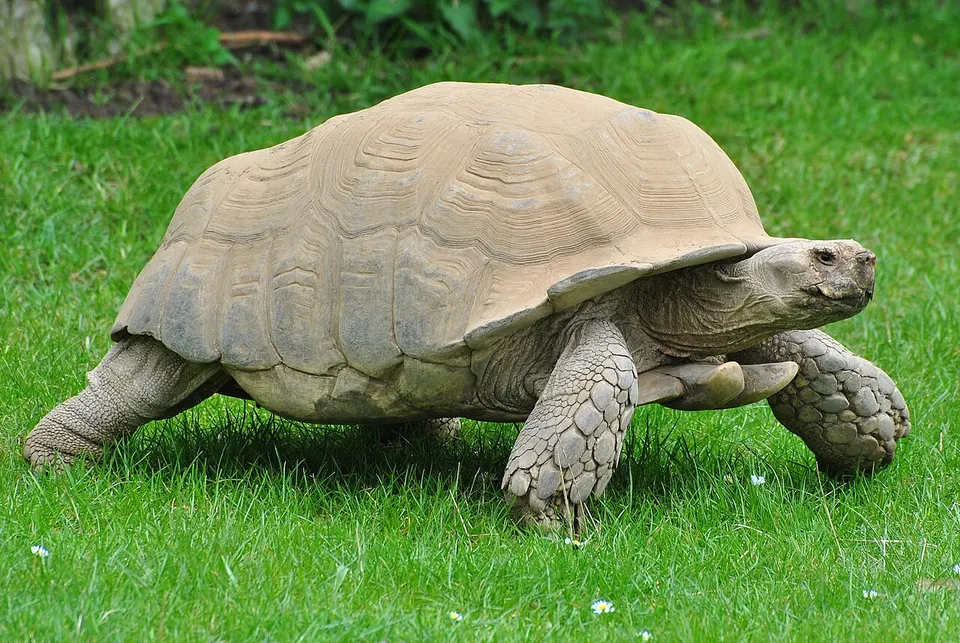
Quick Facts
| Attribute | Details |
|---|---|
| Type | Turtle |
| Size | Very Large (24-30 in, 100+ lbs) |
| Lifespan | 70-100+ years |
| Temperature | 75-100°F (gradient) |
| Humidity | 40-55% |
| Enclosure | Large outdoor enclosure |
| Care Level | Intermediate |
| Diet | Grasses, hay, weeds |
| Temperament | Hardy, Active grazer |
Recommended for Sulcata Tortoises
Affiliate links may earn a commission. Affiliate disclosure.
ZooMed - Heating & lighting | ExoTerra - Enclosures & decor | Chewy - Aquatic supplies
Sulcata Tortoise Habitat Essentials
With Sulcata Tortoise, husbandry precision matters more than gadget quantity: stable environment, species-appropriate diet, and calm handling drive health outcomes.
A hatchling is a livestock decision
African spurred tortoises, Centrochelys sulcata, called sulcatas, are the third-largest tortoise species. Adults often reach 24 to 30 inches and 100 pounds. Lifespan is 70 to 100 years. Care is intermediate. That understates the housing. A correct sulcata lives outside on grass in a warm climate, with a heated house for cold nights, a wall it cannot bulldoze, and a burrow you planned for. An indoor bookcase and a heat lamp are a hatchling setup, not an adult life.
They dig. They shove. They eat the garden you liked. Winter in a cold state means a room or a barn, not a closet. If you cannot picture 100 pounds of tortoise in February, do not buy the cup at the show.
Grass, not fruit salad
Diet is grasses, hay, and weeds. Fruit and grocery lettuce as the whole menu speed growth and pyramid the shell. Soak hatchlings and keep their night housing more humid than the adult yard so the shell grows smooth. Adults want it drier so the plastron does not rot. Basking heat is high, up toward 100°F, with a gradient. UVB matters indoors. Outdoors, the sun is the lamp if the animal can also get shade.
A tortoise that stops eating, bubbles at the nose, or has a soft shell needs a vet who sees chelonians. ARAV lists them. The not-eating page applies. The checker is the urgency sort. This animal is a decades-long yard fixture, not a child's first pet that stays small.
Sulcata questions
How big do sulcatas get?
Adults are often 24 to 30 inches and 80 to more than 100 pounds. A hatchling in a tub is a temporary picture. The pen, the winter housing, and the person who inherits the animal are the real purchase.
How long do sulcatas live?
Often 70 to 100 years when they are kept warm, dry enough to avoid shell rot, and fed grass rather than fruit. Plan a will. The tortoise can outlive you.
Why is the shell pyramiding?
Raised scutes come from a diet that is too rich and too wet, and from growing fast without the right humidity while young. Fruit, dog food, and a constantly soggy indoor tank are the usual causes. Grass hay and weeds are the diet.
Decision Guides for Sulcata Tortoise
Use these only when comparing food, insurance, ownership budget, or beginner fit for this specific pet.