Blue Tongue Skink
This page is educational reference material for preparing questions. A licensed veterinarian examines the animal, makes the diagnosis, and sets the treatment.
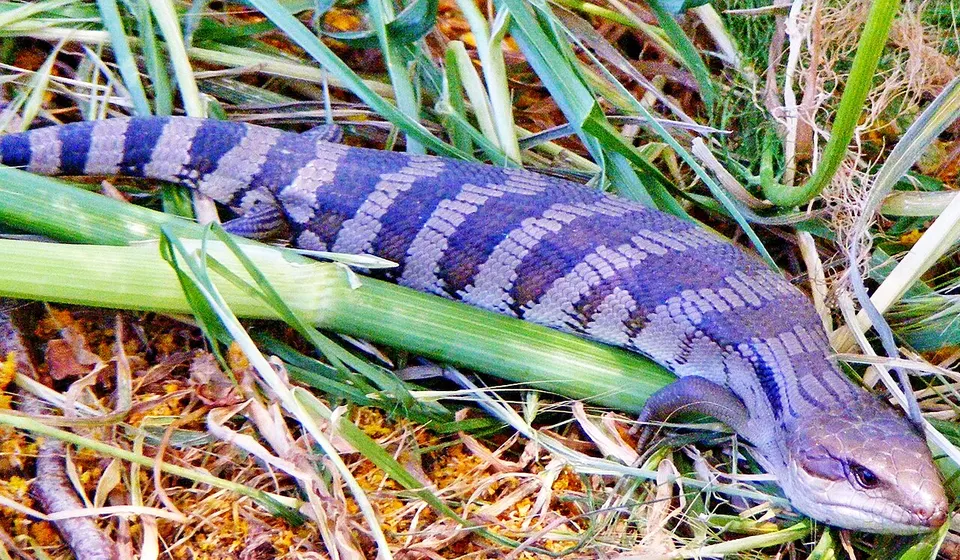
Quick Facts
| Attribute | Details |
|---|---|
| Scientific Name | Tiliqua spp. |
| Origin | Australia, Indonesia, New Guinea |
| Size | 18-24 inches (45-60 cm) |
| Lifespan | 15-20 years |
| Temperature Range | 75-100°F (24-38°C) |
| Humidity | 40-60% (varies by species) |
| Enclosure Size | 4x2x2 feet minimum |
| Care Level | Beginner-Intermediate |
| Diet | Omnivore |
| Temperament | Docile, Handleable |
Recommended for Blue Tongue Skinks
Affiliate links may earn a commission. Affiliate disclosure.
ZooMed - UVB lighting and heating | ExoTerra - Large terrariums | Repashy - Bluey Buffet complete diet | Fluker's - Supplements and feeders
BTS Diet Products
Repashy Bluey Buffet - Complete BTS diet | Fluker's - Calcium supplements
Blue-tongue skinks are the heavy, smooth lizards that behave a bit like a cautious small dog: they investigate, they eat almost anything you offer, and they can learn that hands mean food rather than hawks. Adults are often 18 to 24 inches. Lifespan is about 15 to 20 years. The genus is Tiliqua, and the species matters because a northern from Australia and an Indonesian animal do not want the same humidity.
A long tank and a real gradient
Give an adult at least a 4 by 2 by 2 foot enclosure. Basking spot around 95 to 100°F, warm side mid to high 80s, cool side mid to upper 70s, night in the low 70s if the house allows. UVB is worth installing even though these are not desert iguanas; it supports calcium metabolism alongside a dietary supplement. Humidity follows the species: northerns and many Indonesian skinks in the 60 to 80 percent band, easterns closer to 40 to 60, and the very dry centralian and shingleback animals lower still. The quick facts list those bands. Use the one that matches the animal you have, and measure it.
Substrate they cannot gulp in mouthfuls, a couple of hides, and a water dish big enough to soak in. They are not climbers. Lid security still matters because they are strong.
Omnivore, not leftover pizza
Feed greens and other vegetables plus protein: insects, snails where legal and safe, occasional egg, or a balanced prepared diet. Limit fruit. Dog or cat food as a staple loads the wrong fat and calcium profile. A fat skink that cannot lift its belly is overfed, and the fix is smaller meals, not a bigger tank alone.
Handling is a genuine plus of the species. Support the whole body. Wash hands. Reptiles shed salmonella. Children can participate with supervision. Respiratory infections show up when humidity and temperature are both wrong: open-mouth breathing, bubbles at the nose, a skink that stays on the cool side. Find a vet through ARAV. Refusal to eat is covered on the reptile appetite page, and the checker sorts the urgent signs.
Animal prices vary by species and locality. The enclosure is the expensive object, often several hundred dollars done properly. This is a beginner-intermediate lizard for someone with floor space. It is a bad impulse buy for a desk.
Blue-tongue species and diet
Which blue-tongue is the pet-store one?
Often an Indonesian species or a northern. Humidity needs are not the same. Northerns and many Indonesian animals want it wetter, around 60 to 80 percent. Easterns do well closer to 40 to 60 percent. Ask the seller for the species, not just the color.
How big is the tank?
A 4 by 2 by 2 foot enclosure is the adult minimum on this page. A 40-gallon breeder is a grow-out, not a forever home for a 20-inch skink.
What do they eat?
A mix of greens, vegetables, and animal protein: insects, a little cooked egg, or a formulated diet. Dog food as the whole menu is an old shortcut that makes obese skinks. They are omnivores, not kibble disposals.
Do they like being held?
More than most lizards. Support the body, keep sessions moderate, and watch the blue tongue display, which is a bluff, not an invitation to grab the face.
Decision Guides for Blue Tongue Skink
Use these only when comparing food, insurance, ownership budget, or beginner fit for this specific pet.