Amazon Tree Boa
This page is educational reference material for preparing questions. A licensed veterinarian examines the animal, makes the diagnosis, and sets the treatment.
Quick Facts
| Attribute | Details |
|---|---|
| Type | Snake |
| Adult Size | 5-7 feet |
| Lifespan | 15-20 years |
| Temperament | Variable, Active |
| Difficulty | Intermediate-Advanced |
| Origin | South America |
Recommended Products
Affiliate links may earn a commission. Affiliate disclosure.
One species, a paint box of colors
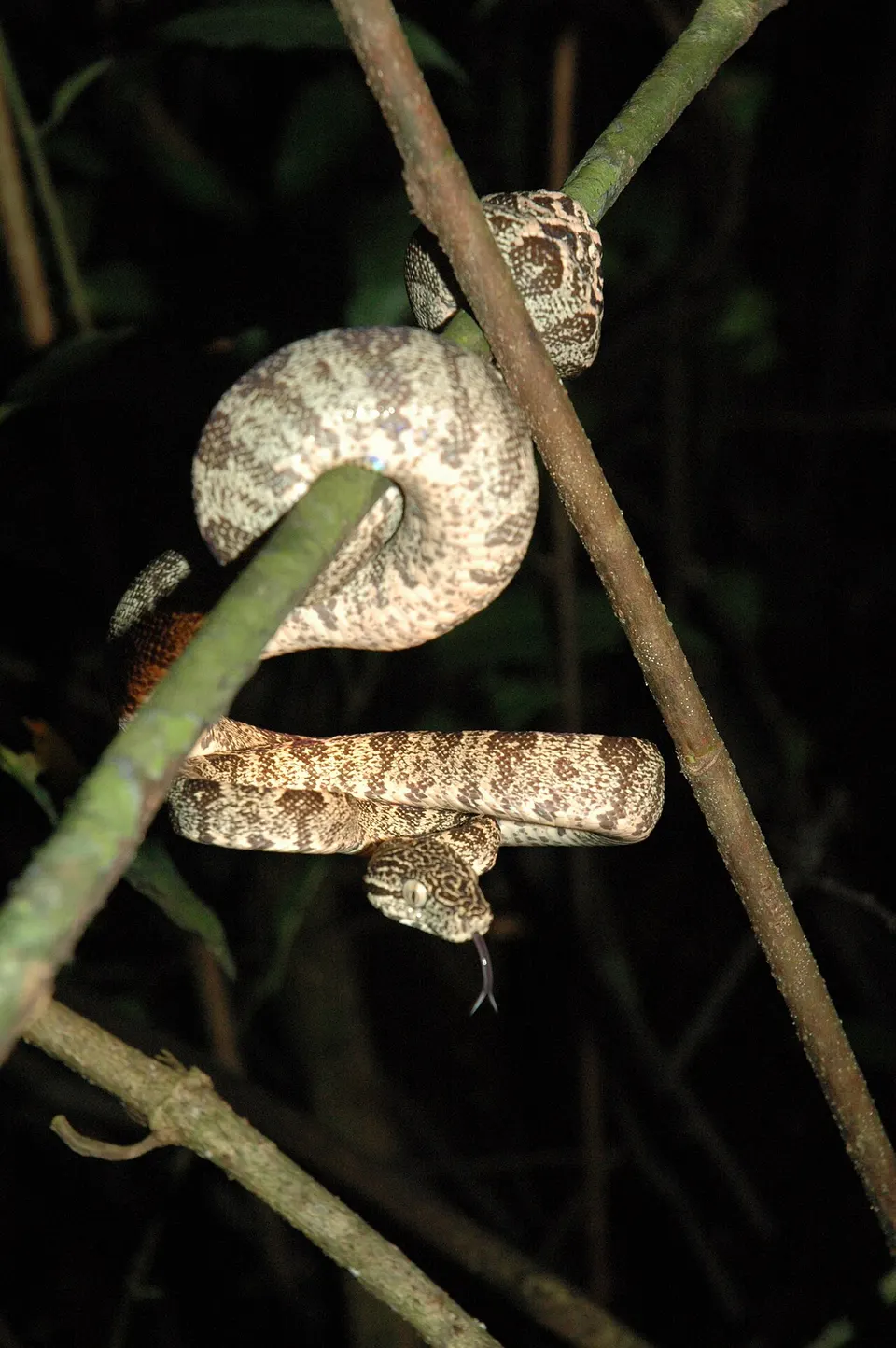
Amazon tree boas are Corallus hortulanus, widespread in South America and wildly variable in color. Adults are about 5 to 7 feet. They commonly reach 15 to 20 years, temperament is active and variable, and care is intermediate to advanced. They are the less famous cousin of the emerald tree boa. They are not an easy version of that animal.
Give a tall cage, sturdy horizontal perches, temperatures in the upper 70s to mid 80s with a warmer spot, and humidity high enough for a full shed. They move more than emeralds. A locked door matters. A water source matters. Feed from tongs. Hands are not a target you want to offer. House them alone.
Captive-bred, and a personality you asked about
Imported adults are defensive, dehydrated, and full of parasites. A captive-bred juvenile from a known locality is the animal to consider, and only if you already keep snakes. Color morphs and garden-phase animals share this husbandry. The dull ones are not a different, hardier species.
A snake parked on the cage floor for days, or one that misses strikes and loses weight, needs a husbandry check and often a vet. ARAV lists reptile clinics.
Amazon tree boa questions
Why do Amazon tree boas look so different from each other?
The species is extremely variable. Garden-phase animals are drab. Others are orange, yellow, or banded. Color is not a different care sheet.
Are they calmer than emerald tree boas?
Some are. Many are not. They are variable and active, and the difficulty is intermediate to advanced. Buy from a breeder who will talk about that individual's attitude.
What do they eat?
Thawed rodents, offered with tongs to a snake on a perch. They have long teeth and a fast strike.
Decision Guides for Amazon Tree Boa
Use these only when comparing food, insurance, ownership budget, or beginner fit for this specific pet.