White Cloud Mountain Minnow
This page is educational reference material for preparing questions. A licensed veterinarian examines the animal, makes the diagnosis, and sets the treatment.
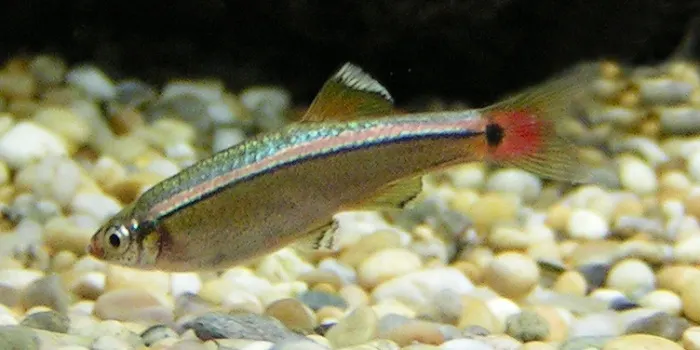
Quick Facts
| Attribute | Details |
|---|---|
| Type | Freshwater |
| Size | Very Small (1.5 in) |
| Lifespan | 5-7 years |
| Temperature | 60-72°F |
| pH Range | 6.0-8.0 |
| Min Tank Size | 10 gal |
| Care Level | Beginner |
| Diet | Omnivore |
| Temperament | Peaceful |
Recommended for White Cloud Mountain Minnows
White cloud mountain minnows on this card are very small schooling fish, about 1.5 inches, with a lifespan of 5 to 7 years. An unheated school is at home in 10 gallons. They are peaceful omnivores and are rated beginner. The number that decides whether they thrive is the temperature: 60 to 72°F. A tropical community held at 82°F is too warm for the long term. These are cool-water fish, and a heater left over from a betta setup is often the thing that should be unplugged.
White Cloud Mountain Minnow Overview
The White Cloud Mountain Minnow is a very small (1.5 in) freshwater species that is an excellent choice for both beginners and experienced aquarists. With a lifespan of 5-7 years, this peaceful species requires a minimum tank size of 10 gal.
White Cloud Mountain Minnows thrive in water temperatures of 60-72°F with a pH range of 6.0-8.0. As an omnivore, they accept a wide variety of foods.
pH can sit anywhere from 6.0 to 8.0, so they are not a blackwater specialist. Cool water is not a license for nitrate at or above 20 ppm. Ammonia and nitrite at 0 ppm matter just as much in an unheated tank as in a warm one, and a cold tank does not mean a dirty tank is acceptable. Beginner care is a cycled 10 gallons, a school, and a room that actually stays inside 60 to 72°F. A tank in a sunny window that climbs into the high 70s every afternoon is a warm tank with a cool label.
They are active for their size and they belong in a group. A 10-gallon tank with a school of these 1.5-inch fish, fine plants, and an open lane is a complete setup. Adding them as a dither school to a warm angelfish tank fails the temperature line even if the temperament line says peaceful. Choose other cool-water neighbors if you want company, and check that those neighbors share 60 to 72°F. A single white cloud in a bowl is not the beginner project this card describes.
Feed small omnivore foods. Crushed flake, micro pellets, and the occasional frozen baby brine shrimp are enough. They feed in the upper and middle water and they are not shy once the school is large enough. Overfeeding a 10-gallon tank is the usual way to push nitrate over 20 ppm. Small meals they finish are a better match for a fish this size than a pinch aimed at a goldfish.
Tank Size
- Minimum: 10 gal
- Recommended: Larger is always better for stability and swimming room.
- Type: Freshwater planted or community tank
Equipment
- Filtration: Quality canister or HOB filter rated for your tank size.
- Heating: Usually not needed; this is a coolwater fish that does best at 60-72°F, which most homes provide. Use a thermometer and add a heater only if the room runs colder.
- Lighting: Standard aquarium lighting; planted tanks benefit from full-spectrum.
- Air Pump: Optional but beneficial for oxygenation.
Water Parameters
| Parameter | Ideal Range |
|---|---|
| Temperature | 60-72°F |
| pH | 6.0-8.0 |
| Ammonia | 0 ppm |
| Nitrite | 0 ppm |
| Nitrate | <20 ppm |
Water Quality Warning
Always cycle your tank fully before adding fish. Use a quality test kit to monitor ammonia, nitrite, and nitrate levels. Never add White Cloud Mountain Minnows to an uncycled or newly set up tank.
Diet & Feeding
- Primary Diet: Omnivore.
- Foods: High-quality flakes/pellets, frozen brine shrimp, mysis shrimp, and blanched vegetables.
- Variety: Rotate different food types for balanced nutrition.
White Cloud Mountain Minnow Tank Essentials
White Cloud Mountain Minnow care quality tracks three controllable habits — parameter stability, feeding discipline, and quarantine protocol — more than anything else; these factors drive outcomes more than brand-name products.
Proper nutrition for White Cloud Mountain Minnow requires understanding not just what to feed, but how feeding strategies affect health, behavior, and water quality. A disciplined approach to feeding, where your White Cloud Mountain Minnow receives the right amount of appropriate food at consistent intervals, is one of the most impactful things you can do for both the fish and the overall aquarium ecosystem.
Diet variety is essential for optimal White Cloud Mountain Minnow health because no single commercial food provides the complete nutritional profile these fish require. Observing your White Cloud Mountain Minnow's response to different food types also provides useful health information, as reduced interest in normally preferred foods is often an early indicator of illness.
Common Health Issues
- Ich (White Spot Disease): White spots on body and fins. Raise temperature gradually and use ich medication.
- Parasites: Internal and external parasites; quarantine new additions.
Recognizing early signs of disease in White Cloud Mountain Minnow requires a trained eye and consistent observation. Establishing a daily observation routine—even just a few minutes of focused attention during feeding—helps you develop a baseline understanding of what normal behavior looks like for your specific White Cloud Mountain Minnow, making deviations immediately apparent.
Quarantine protocols represent one of the most impactful health management practices available to White Cloud Mountain Minnow keepers. This single practice prevents the majority of disease outbreaks in established aquariums and is considered essential by virtually all experienced White Cloud Mountain Minnow keepers.
Compatibility
- Temperament: Peaceful - pairs well with other peaceful community species.
- Tank Mates: Other peaceful community fish of similar size.
- Avoid: Large aggressive species that may bully or eat them.
White Cloud Mountain Minnows Are Great For:
- Beginning aquarists looking for a rewarding species
- Community freshwater tank keepers
- Those who can maintain stable freshwater parameters
White Cloud Mountain Minnows May Not Be Ideal For:
- Those unable to commit to regular water testing and maintenance
- Those looking for a zero-maintenance pet
Ask Our AI About White Cloud Mountain Minnows
Have specific questions about White Cloud Mountain Minnow care, tank setup, or health? Our AI assistant can provide personalized guidance.
The question to ask yourself is not whether you can keep a White Cloud Mountain Minnow alive, but whether you can keep one thriving. If you are willing to invest in those consistently, you and your White Cloud Mountain Minnow will both benefit.
When to Seek Help
Recognizing signs of illness early gives your White Cloud Mountain Minnow the best chance of recovery.
- Water testing: Before treating for disease, always test water parameters.
Diet and Nutrition Tips
Proper nutrition is the foundation of good health for your White Cloud Mountain Minnow.
- Primary diet: Feed a high-quality staple food formulated for your White Cloud Mountain Minnow's dietary type (herbivore, omnivore, or carnivore). Look for foods with whole ingredients and minimal fillers.
- Variety ensures complete nutrition and encourages natural foraging.
- Feeding frequency: Feed small amounts 1-2 times daily.
- Avoid overfeeding: Overfeeding is the most common nutritional mistake in fishkeeping. It leads to obesity, water pollution, and secondary health problems.
Tank Environment and Stimulation
Providing the right environment is crucial for your White Cloud Mountain Minnow's health and well-being.
- Tank size: Always choose a tank that meets or exceeds the minimum recommended size for White Cloud Mountain Minnow. Larger tanks are more stable and forgiving of water quality fluctuations.
- Water parameters: Maintain consistent temperature, pH, and hardness levels appropriate for White Cloud Mountain Minnow. Test water weekly and perform regular partial water changes.
- Filtration: Use a quality filter rated for your tank size.
- This reduces stress and aggression.
Tank Maintenance Essentials
- Water changes: Perform 20-30% partial water changes weekly.
- Filter maintenance: Rinse filter media in old tank water monthly.
- Algae control: Some algae is normal, but excessive growth indicates nutrient imbalance. Adjust lighting duration and consider adding algae-eating species.
- Water testing: Test ammonia, nitrite, nitrate, and pH at least weekly. Keep a log to track trends and catch problems early.
Living Environment
Creating the optimal living environment ensures your White Cloud Mountain Minnow thrives and displays natural, healthy behaviors.
- A stable location reduces stress and prevents temperature fluctuations.
- Compatible tankmates: Research compatibility before adding new species. Aggression, different water parameter requirements, and size mismatches are common problems.
- Substrate choice: Select substrate appropriate for your White Cloud Mountain Minnow's natural behavior, whether that is sand for digging species or planted substrate for aquascaping.
- Equipment failures can be life-threatening.
Helpful Resources for White Cloud Mountain Minnow Owners
The leverage on this topic is unusually high for White Cloud owners — a short learning investment yields persistent gains. Because each White Cloud is its own animal, treat any general guideline as a starting point and refine from there.
Explore More Guides
Get Personalized AI Guidance
Ask Our AI NowDecision Guides for White Cloud Mountain Minnow
Use these only when comparing food, insurance, ownership budget, or beginner fit for this specific pet.
Behavior & Temperament
White Cloud Mountain Minnow are characterized by a peaceful disposition that influences their care requirements and compatibility.
- General Disposition: Peaceful nature that defines daily interactions
- Social Behavior: Specific social needs that owners should understand and accommodate
- Activity Patterns: Natural activity cycles that influence care scheduling
The 5-to-7-year lifespan shows up in cool, clean water and disappears in a heated community. If your other fish need the upper 70s, keep the white clouds in their own tank. An air-powered sponge filter is often enough at this bioload and does not add heat. Cap the tank. A 1.5-inch fish still fits through a cable notch. They are small, and a gap at the rim is enough for one to land on the stand. Beginner does not mean a fishbowl on a windowsill. It means an easy fish if you respect 60 to 72°F, 10 gallons, and a real school.
Color is stronger when the fish are cool, mature, and not stressed by a tiny group. Males show more red on the fins. You can breed them in a separate cool tank with fine plants or a mop if you want young, and the adults will eat eggs if they share the space. Breeding is optional. Temperature is not. A white cloud that lives for years in an unheated, stable 10-gallon tank is the ordinary success. A white cloud in a tropical 82°F display is a fish being kept above this card.
Feeding behavior in White Cloud Mountain Minnow reveals much about their ecological role and can be leveraged by keepers to promote natural behaviors and reduce aggression. Observing when, where, and how your White Cloud Mountain Minnow feeds provides diagnostic information about their comfort level, health status, and social standing. Changes in feeding behavior—such as reduced enthusiasm, feeding only when other fish are not present, or aggressive food guarding—often signal underlying issues that should be investigated. Many successful White Cloud Mountain Minnow keepers use varied feeding strategies including target feeding, scatter feeding, and enrichment feeders to promote natural foraging behaviors and reduce competition-related stress.
Cost of Ownership
These figures are averages, not guarantees. Some White Cloud Mountain Minnow owners spend less; others spend more due to health complications or premium product preferences. Where you live matters too — urban vet costs tend to run higher. The point is to go in with a realistic financial picture, not an optimistic one.
The true cost of keeping White Cloud Mountain Minnow extends well beyond the initial purchase price and basic equipment. While the upfront investment in a properly equipped aquarium (minimum 10 gal) represents a significant portion of the total cost, ongoing expenses for water treatment chemicals, filter media, electricity for heating and lighting, and food constitute the majority of long-term spending. Many aspiring White Cloud Mountain Minnow keepers underestimate these ongoing costs, which can lead to cut corners that ultimately compromise fish health and result in even greater expenses. A realistic budget that accounts for both routine maintenance and occasional replacement of equipment provides a more accurate picture of what White Cloud Mountain Minnow keeping actually costs.
Equipment failure is an inevitable aspect of aquarium keeping that should be factored into financial planning. Heaters, filters, lights, and pumps all have finite lifespans, and their failure—particularly heater or filter failure—can have catastrophic consequences for White Cloud Mountain Minnow if not addressed promptly. Maintaining a small emergency fund specifically for aquarium equipment replacement, or keeping backup equipment on hand for critical systems like heating and filtration, is a wise investment. Many experienced White Cloud Mountain Minnow keepers also invest in battery-operated air pumps and backup heaters as insurance against power outages, which can be lethal to tropical species within hours depending on ambient room temperature.
The cost-benefit analysis of quality versus budget equipment deserves careful consideration for White Cloud Mountain Minnow keepers. Higher-quality filters, heaters with accurate thermostats, and reliable lighting systems cost more upfront but typically last longer, perform more consistently, and are less likely to fail catastrophically. In aquarium keeping, equipment failure can result in livestock losses worth far more than the savings from choosing budget equipment. This is particularly true for White Cloud Mountain Minnow, where the animals themselves, along with any tank mates, plants, and established biological filtration, represent a significant investment of both money and time that is worth protecting with reliable equipment.
White cloud mountain minnows, Tanichthys albonubes, are cool-water fish from China that belong in an unheated tank in the 60s to low 70s Fahrenheit. A school of six or more eats flake and fine frozen foods. A heater set for a betta at 80 F is too warm for them over a whole summer.