Harlequin Rasbora
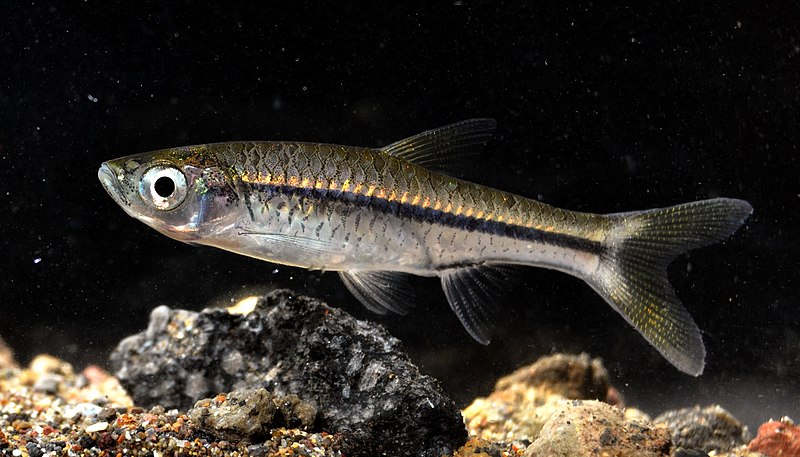
Quick Facts
| Attribute | Details |
|---|---|
| Type | Freshwater |
| Size | Small (2 in) |
| Lifespan | 5-8 years |
| Temperature | 72-81°F |
| pH Range | 6.0-7.5 |
| Min Tank Size | 10 gal |
| Care Level | Beginner |
| Diet | Omnivore |
| Temperament | Peaceful |
Recommended for Harlequin Rasboras
Harlequin Rasbora the three variables that move outcomes most are water stability, feeding discipline, and careful handling of new stock; these factors drive outcomes more than brand-name products.
Harlequin Rasbora Overview
The Harlequin Rasbora is a small (2 in) freshwater species that is an excellent choice for both beginners and experienced aquarists. With a lifespan of 5-8 years, this peaceful species requires a minimum tank size of 10 gal.
Harlequin Rasboras thrive in water temperatures of 72-81°F with a pH range of 6.0-7.5. As an omnivore, they accept a wide variety of foods.
Because the breed was shaped by specific selection pressures, the optimal care plan inherits those pressures as nutrition, activity, and enrichment defaults.
The Harlequin Rasbora's behavioral repertoire extends well beyond what casual observers might expect. These fish exhibit complex social hierarchies, territorial behaviors, and feeding strategies that become increasingly apparent in well-maintained aquarium environments. Their peaceful disposition means that tank mate selection requires careful consideration—not all community fish are compatible, and individual personality variation means that even within the same species, behavioral differences can be significant. Keepers who invest time in observing their Harlequin Rasbora's natural behaviors are better equipped to identify stress indicators, illness onset, and social conflict before these issues escalate into serious problems.
For Harlequin Rasbora, the most reliable results come from parameter consistency, species-matched diet rotation, and early correction of stress signals.
Tank Size
- Minimum: 10 gal
- Recommended: Larger is always better for stability and swimming room.
- Type: Freshwater planted or community tank
Equipment
- Filtration: Quality canister or HOB filter rated for your tank size.
- Heating: Reliable heater to maintain 72-81°F.
- Lighting: Standard aquarium lighting; planted tanks benefit from full-spectrum.
- Air Pump: Optional but beneficial for oxygenation.
Water Parameters
| Parameter | Ideal Range |
|---|---|
| Temperature | 72-81°F |
| pH | 6.0-7.5 |
| Ammonia | 0 ppm |
| Nitrite | 0 ppm |
| Nitrate | <20 ppm |
Water Quality Warning
Always cycle your tank fully before adding fish. Use a quality test kit to monitor ammonia, nitrite, and nitrate levels. Never add Harlequin Rasboras to an uncycled or newly set up tank.
Diet & Feeding
- Primary Diet: Omnivore.
- Foods: High-quality flakes/pellets, frozen brine shrimp, mysis shrimp, and blanched vegetables.
- Feeding Schedule: Feed 1-2 times daily, only what can be consumed in 2-3 minutes.
- Variety: Rotate different food types for balanced nutrition.
Harlequin Rasbora Tank Essentials
The details on this page vary by household, so use the structure as orientation rather than prescription.
Harlequin Rasbora long-term welfare responds more to maintenance rhythm and species-appropriate stocking than to any single product choice rather than copied from general fish templates.
What matters most is consistency in the basics while staying alert to signals that something needs adjustment.
Common Health Issues
- Ich (White Spot Disease): White spots on body and fins. Raise temperature gradually and use ich medication.
- Fin Rot: Ragged or deteriorating fins; improve water quality and treat with antibacterials.
- Parasites: Internal and external parasites; quarantine new additions.
- Stress: Faded colors, hiding, or erratic behavior often indicate stress from poor water quality or aggressive tankmates.
Keeping a Rasbora healthy means prioritizing water quality above everything else. Most health problems in aquatic species trace back to suboptimal water parameters, and by the time visible symptoms appear, the problem is often well advanced. Consistent water testing and maintenance isn't just helpful — it's the single most effective health strategy you have.
Work on the simple inputs first and let your own observations tell you where to add nuance.
It takes several consistent weeks to establish the rhythm, and then it becomes household background.
Compatibility
- Temperament: Peaceful - pairs well with other peaceful community species.
- Tank Mates: Other peaceful community fish of similar size.
- Avoid: Large aggressive species that may bully or eat them.
Is This Species Right for You?
A solid grasp of this area lets you support your Rasbora with intention rather than improvisation. Generic recommendations are a reasonable starting point, but the Rasbora you live with ultimately sets the standard.
Harlequin Rasboras Are Great For:
- Beginning aquarists looking for a rewarding species
- Community freshwater tank keepers
- Those who can maintain stable freshwater parameters
Harlequin Rasboras May Not Be Ideal For:
- Those unable to commit to regular water testing and maintenance
- Those looking for a zero-maintenance pet
Ask Our AI About Harlequin Rasboras
Success here comes from steady observation and a readiness to make small adjustments when the results suggest a change is needed.
Fishkeeping is one of those hobbies where patience pays dividends. Rushing to add a Harlequin Rasbora to a new tank, skipping the cycling process, or cutting corners on filtration leads to predictable problems. Take your time getting the fundamentals right, and the species-specific care becomes much more manageable.
When to Seek Help
- Behavioral changes: Lethargy, loss of appetite, hiding more than usual, or swimming abnormally can indicate illness or poor water conditions.
- Physical signs: White spots, fuzzy growths, fin damage, bloating, color loss, or raised scales are common indicators of disease.
- Breathing issues: Rapid gill movement or gasping at the surface suggests low oxygen, gill disease, or ammonia exposure.
- Quarantine new fish: Always quarantine new arrivals for 2-4 weeks before adding them to your main tank to prevent disease introduction.
- Water testing: Before treating for disease, always test water parameters. Many symptoms that appear to be illness are actually caused by poor water quality.
Diet and Nutrition Tips
Default to best practice, monitor outcomes, and steer based on what you actually observe.
- Primary diet: Feed a high-quality staple food formulated for your Harlequin Rasbora's dietary type (herbivore, omnivore, or carnivore). Look for foods with whole ingredients and minimal fillers.
- Variety: Supplement the staple diet with frozen or live foods such as brine shrimp, bloodworms, or daphnia. Variety ensures complete nutrition and encourages natural foraging.
- Feeding frequency: Feed small amounts 1-2 times daily. Only offer what can be consumed in 2-3 minutes to prevent water quality issues from uneaten food.
- Vegetable supplements: For omnivorous and herbivorous species, blanched vegetables like zucchini, spinach, and peas provide essential fiber and nutrients.
- Avoid overfeeding: Overfeeding is the most common nutritional mistake in fishkeeping. It leads to obesity, water pollution, and secondary health problems.
Tank Environment and Stimulation
Published guidelines get you most of the way; the last mile is paying attention to how your specific animal responds.
- Tank size: Always choose a tank that meets or exceeds the minimum recommended size for Harlequin Rasbora. Larger tanks are more stable and forgiving of water quality fluctuations.
- Water parameters: Maintain consistent temperature, pH, and hardness levels appropriate for Harlequin Rasbora. Test water weekly and perform regular partial water changes.
- Filtration: Use a quality filter rated for your tank size. Good filtration is the single most important factor in maintaining a healthy aquarium environment.
- Decor and hiding spots: Include plants, rocks, driftwood, or other decorations that provide shelter and territory boundaries. This reduces stress and aggression.
- Lighting: Provide appropriate lighting cycles with 8-12 hours of light followed by darkness to maintain natural circadian rhythms.
Tank Maintenance Essentials
Stick with an approach long enough to see results, then make targeted changes based on what you actually observe.
- Water changes: Perform 20-30% partial water changes weekly. Use a gravel vacuum to remove debris from the substrate during each change.
- Filter maintenance: Rinse filter media in old tank water monthly. Never replace all filter media at once, as this destroys beneficial bacteria colonies.
- Algae control: Some algae is normal, but excessive growth indicates nutrient imbalance. Adjust lighting duration and consider adding algae-eating species.
- Water testing: Test ammonia, nitrite, nitrate, and pH at least weekly. Keep a log to track trends and catch problems early.
- Equipment checks: Inspect heaters, air pumps, and lighting regularly to ensure everything functions properly.
Living Environment
Use these principles as your starting point, then let observation and experience guide the specifics.
- Tank placement: Place the aquarium away from direct sunlight, drafts, and high-traffic areas. A stable location reduces stress and prevents temperature fluctuations.
- Compatible tankmates: Research compatibility before adding new species. Aggression, different water parameter requirements, and size mismatches are common problems.
- Substrate choice: Select substrate appropriate for your Harlequin Rasbora's natural behavior, whether that is sand for digging species or planted substrate for aquascaping.
- Backup equipment: Keep spare heaters, air pumps, and water treatment supplies on hand for emergencies. Equipment failures can be life-threatening.
Helpful Resources for Harlequin Rasbora Owners
When in doubt, choose the guidance that names the Rasbora explicitly over the guidance that treats all pets alike.
Explore More Guides
Get Personalized AI Guidance
With the baseline understood, nutrition, activity, preventive medicine, and enrichment choices take on a clearer shape
Ask Our AI NowDecision Guides for Harlequin Rasbora
Use these only when comparing food, insurance, ownership budget, or beginner fit for this specific pet.
Behavior & Temperament
Harlequin Rasbora are characterized by a peaceful disposition that influences their care requirements and compatibility.
- General Disposition: Peaceful nature that defines daily interactions
- Social Behavior: Specific social needs that owners should understand and accommodate
- Activity Patterns: Natural activity cycles that influence care scheduling
The behavioral complexity of Harlequin Rasbora is often underestimated by those new to the aquarium hobby. While aquarium fish are sometimes perceived as passive decorative elements, Harlequin Rasbora display a rich repertoire of social behaviors, territorial strategies, and environmental interactions that become increasingly fascinating to observe over time. Their peaceful disposition provides a general framework for predicting behavior, but individual variation is significant—experienced keepers learn to read the subtle body language cues, color changes, and swimming patterns that indicate mood, stress level, and social status within the tank hierarchy.
Build on these basics by paying close attention to how things develop and being ready to pivot when needed.
A few months of real ownership will clarify which items here matter most for your specific household and which are largely ornamental.
Cost of Ownership
Your actual costs for Rasbora care will depend on where you live, your animal's health, and the choices you make. The figures above are a reasonable starting point, but plan for some variation. Having even a small emergency fund takes real pressure off when surprises arise.
The framework here is solid, but the fine-tuning comes from hands-on experience with your own unique situation.
The best results come from combining general best practices with attentive observation of individual responses.