Hermit Crab (Marine)
This page is educational reference material for preparing questions. A licensed veterinarian examines the animal, makes the diagnosis, and sets the treatment.
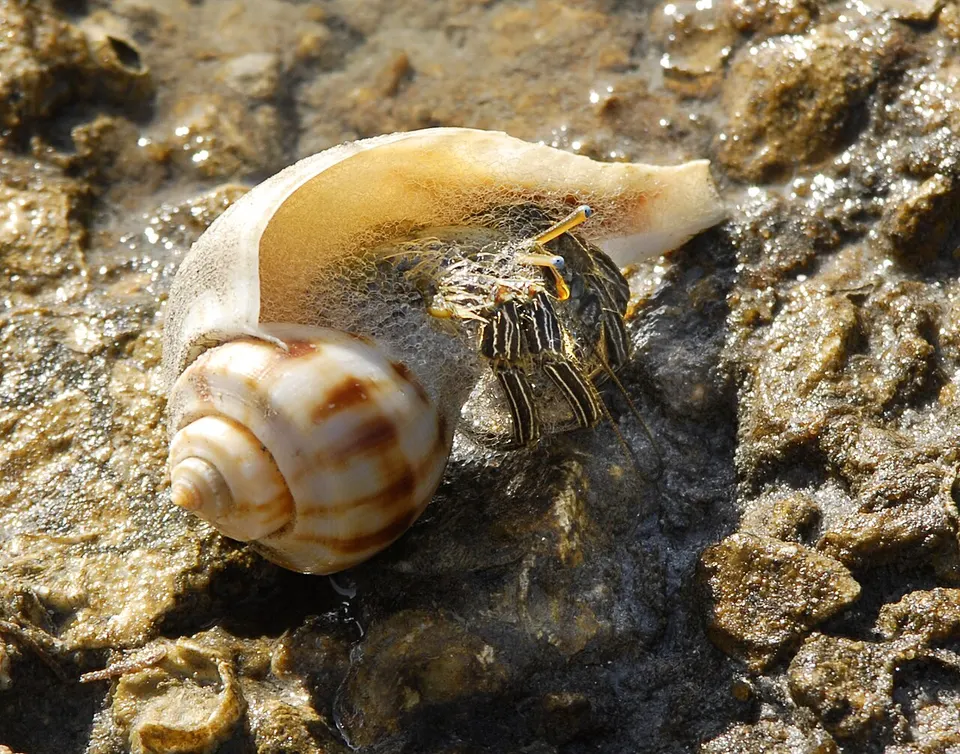
Quick Facts
| Attribute | Details |
|---|---|
| Type | Saltwater Invert |
| Size | Small (1-2 in) |
| Lifespan | 2-5 years |
| Temperature | 72-82°F |
| pH Range | 8.1-8.4 |
| Min Tank Size | 10 gal |
| Care Level | Beginner |
| Diet | Omnivore/Scavenger |
| Temperament | Peaceful |
Recommended for Hermit Crab (Marine)
Hermit Crab (Marine) Overview
The Hermit Crab (Marine) is a small (1-2 in) saltwater invert invertebrate that is an excellent choice for both beginners and experienced aquarists. With a lifespan of 2-5 years, this peaceful species requires a minimum tank size of 10 gal.
Hermit Crab (Marine) thrive in water temperatures of 72-82°F with a pH range of 8.1-8.4. As an omnivore, they accept a wide variety of foods.
The hermit crab on this page is a marine hermit, a saltwater scavenger, not a land hermit of the Coenobita kind sold in souvenir shops. Adults in the trade are about 1 to 2 inches and live 2 to 5 years. A marine tank of 10 gallons is the smallest this card allows. Standard reef salt applies here too: 72 to 82°F, pH 8.1 to 8.4, specific gravity 1.020 to 1.025, nitrate under 10 ppm. Diet is omnivore and scavenger. Temperament is listed as peaceful. Care is beginner only if you already run a marine tank and you understand the shell problem.
A marine hermit dies in a land-crab cage, and a land hermit dies in this tank. The water has to be full-strength seawater, not brackish and not fresh. A 10-gallon reef or fish tank with live rock, a lid, and stable salinity is the minimum shape. They need to be submerged. They also need shells. A hermit in a shell that is too small, or a hermit with no spare shells in the tank, will kill a snail and take that shell. Sometimes it will kill a snail it does not even need, because the snail is in the way of the search.
Peaceful means they do not hunt fish. It does not mean they are safe with every invertebrate. Small hermits such as some Calcinus and Clibanarius are the usual reef janitors and still pick at snails, at tube worms, and occasionally at coral tissue if they are hungry. Larger hermits, including big Dardanus, are not a 10-gallon animal and will rearrange rock and eat what they can catch. Read the species. A crab already near 2 inches with a heavy claw may be at the top of this card's size and a poor fit for a nano reef full of astrea snails.
Tank Requirements & Setup
Quiet parts of a Hermit Crab's care plan reward the discipline to handle them on schedule rather than on demand.
Tank Size
- Minimum: 10 gal
- Recommended: Larger is always better for stability and swimming room.
- Type: Saltwater reef or fish-only setup
Equipment
- Filtration: Protein skimmer and live rock for biological filtration.
- Heating: Reliable heater to maintain 72-82°F.
- Lighting: Appropriate reef or marine lighting.
- Powerheads: For adequate water flow and circulation.
Water Parameters
| Parameter | Ideal Range |
|---|---|
| Temperature | 72-82°F |
| pH | 8.1-8.4 |
| Ammonia | 0 ppm |
| Nitrite | 0 ppm |
| Nitrate | <10 ppm |
| Salinity | 1.020-1.025 sg |
Water Quality Warning
Saltwater species are sensitive to parameter fluctuations. Use an RO/DI unit for water changes and test regularly. Never add Hermit Crab (Marine) to an uncycled or newly set up tank.
Diet & Feeding
- Primary Diet: Omnivore/Scavenger.
- Foods: High-quality flakes/pellets, frozen brine shrimp, mysis shrimp, and blanched vegetables.
- Feeding Schedule: Feed 2-3 times weekly or allow natural grazing.
- Variety: Rotate different food types for balanced nutrition.
Hermit Crab (Marine) Tank Essentials
Early integration of these specifics produces a plan that ages with the animal rather than one that requires repeated emergency adjustments
Proper nutrition for Hermit Crab (Marine) requires understanding not just what to feed, but how feeding strategies affect health, behavior, and water quality. A disciplined approach to feeding, where your Hermit Crab (Marine) receives the right amount of appropriate food at consistent intervals, is one of the most impactful things you can do for both the fish and the overall aquarium ecosystem.
Diet variety is essential for optimal Hermit Crab (Marine) health because no single commercial food provides the complete nutritional profile these fish require. Observing your Hermit Crab (Marine)'s response to different food types also provides useful health information, as reduced interest in normally preferred foods is often an early indicator of illness.
Common Health Issues
- Marine Ich (Cryptocaryon): White spots on body and fins. Treat with copper-based medication in quarantine tank.
- Marine Velvet: Dusty gold appearance; highly contagious and often fatal if untreated.
- Molting Issues: Ensure proper water parameters and nutrition during molting.
Feed them on purpose. Algae, leftover frozen mysis, and a sinking pellet are the scavenger diet. A hermit in a spotless new tank with no film and no target feeding will go hunting. That hunt is the snail deaths people blame on a mean crab. A fed crab in a tank with several empty shells of the next size up is a much calmer animal. Replace shells as the crab grows. A decorative painted shell from a craft shop can be toxic and is often the wrong shape. Plain empty marine shells are the ones to offer.
Recognizing early signs of disease in Hermit Crab (Marine) requires a trained eye and consistent observation. Establishing a daily observation routine—even just a few minutes of focused attention during feeding—helps you develop a baseline understanding of what normal behavior looks like for your specific Hermit Crab (Marine), making deviations immediately apparent.
Quarantine protocols represent one of the most impactful health management practices available to Hermit Crab (Marine) keepers. This single practice prevents the majority of disease outbreaks in established aquariums and is considered essential by virtually all experienced Hermit Crab (Marine) keepers.
Compatibility
- Temperament: Peaceful - pairs well with other peaceful community species.
- Tank Mates: Other peaceful community fish of similar size.
- Avoid: Large aggressive species that may bully or eat them.
Is This Species Right for You?
Think of this as the knowledge layer that most Hermit Crab owners skip and later wish they had started with. Because each Hermit Crab is its own animal, treat any general guideline as a starting point and refine from there.
Hermit Crab (Marine) Are Great For:
- Beginning aquarists looking for a rewarding species
- Reef aquarium enthusiasts
- Those who can maintain stable saltwater parameters
Hermit Crab (Marine) May Not Be Ideal For:
- Those unable to commit to regular water testing and maintenance
- Those looking for a zero-maintenance pet
Ask Our AI About Hermit Crab (Marine)
Have specific questions about Hermit Crab (Marine) care, tank setup, or health? Our AI assistant can provide personalized guidance.
Fishkeeping is one of those hobbies where patience pays dividends. Rushing to add a Hermit Crab (Marine) to a new tank, skipping the cycling process, or cutting corners on filtration leads to predictable problems.
When to Seek Help
Recognizing signs of illness early gives your Hermit Crab (Marine) the best chance of recovery.
- Water testing: Before treating for disease, always test water parameters.
Diet and Nutrition Tips
Proper nutrition is the foundation of good health for your Hermit Crab (Marine).
- Primary diet: Feed a high-quality staple food formulated for your Hermit Crab (Marine)'s dietary type (herbivore, omnivore, or carnivore). Look for foods with whole ingredients and minimal fillers.
- Variety ensures complete nutrition and encourages natural foraging.
- Feeding frequency: Feed small amounts 1-2 times daily.
- Avoid overfeeding: Overfeeding is the most common nutritional mistake in fishkeeping. It leads to obesity, water pollution, and secondary health problems.
Tank Environment and Stimulation
Providing the right environment is crucial for your Hermit Crab (Marine)'s health and well-being.
- Tank size: Always choose a tank that meets or exceeds the minimum recommended size for Hermit Crab (Marine). Larger tanks are more stable and forgiving of water quality fluctuations.
- Water parameters: Maintain consistent temperature, pH, and hardness levels appropriate for Hermit Crab (Marine). Test water weekly and perform regular partial water changes.
- Filtration: Use a quality filter rated for your tank size.
- This reduces stress and aggression.
Tank Maintenance Essentials
- Water changes: Perform 20-30% partial water changes weekly.
- Filter maintenance: Rinse filter media in old tank water monthly.
- Algae control: Some algae is normal, but excessive growth indicates nutrient imbalance. Adjust lighting duration and consider adding algae-eating species.
- Water testing: Test ammonia, nitrite, nitrate, and pH at least weekly. Keep a log to track trends and catch problems early.
Living Environment
Creating the optimal living environment ensures your Hermit Crab (Marine) thrives and displays natural, healthy behaviors.
- A stable location reduces stress and prevents temperature fluctuations.
- Compatible tankmates: Research compatibility before adding new species. Aggression, different water parameter requirements, and size mismatches are common problems.
- Substrate choice: Select substrate appropriate for your Hermit Crab (Marine)'s natural behavior, whether that is sand for digging species or planted substrate for aquascaping.
- Equipment failures can be life-threatening.
Helpful Resources for Hermit Crab (Marine) Owners
Leaning into Hermit Crab-specific detail, instead of one-size-fits-all advice, consistently yields better results.
Explore More Guides
Get Personalized AI Guidance
Hermit Crab (Marine) the three variables that move outcomes most are water stability, feeding discipline, and careful handling of new stock; these factors drive outcomes more than brand-name products.
Ask Our AI NowDecision Guides for Hermit Crab (Marine)
Use these only when comparing food, insurance, ownership budget, or beginner fit for this specific pet.
Behavior & Temperament
Hermit Crab (Marine) are characterized by a peaceful disposition that influences their care requirements and compatibility.
- General Disposition: Peaceful nature that defines daily interactions
- Social Behavior: Specific social needs that owners should understand and accommodate
- Activity Patterns: Natural activity cycles that influence care scheduling
Two to 5 years is the span if salinity stays put and the crab can molt. Molting hermits bury or hide and should not be pulled out for inspection. An empty shell with no crab in it is a clue to go looking, not proof the animal died. They are sensitive to copper and to a lot of reef medications. A tank you plan to dose with copper is a tank that should not have a hermit as a permanent resident. Beginner care is a stable nano reef, a spare shell, and a little food. It is not a cup of fresh water, and it is not a dry terrarium with a sponge.
Keep the number small. Several hermits in 10 gallons will fight over the best shell even if each one has a spare, and the fights end with a torn abdomen, which is fatal because the abdomen is soft. One or two small hermits, shells available, snails you are willing to risk or no snails at all, is the stocking that matches the peaceful line. If the goal is algae control, a snail that cannot be evicted is the more peaceful tool. The hermit is a scavenger with a housing problem, and the housing problem is the whole hobby of keeping it.
Feeding behavior in Hermit Crab (Marine) reveals much about their ecological role and can be leveraged by keepers to promote natural behaviors and reduce aggression. Observing when, where, and how your Hermit Crab (Marine) feeds provides diagnostic information about their comfort level, health status, and social standing. Changes in feeding behavior—such as reduced enthusiasm, feeding only when other fish are not present, or aggressive food guarding—often signal underlying issues that should be investigated. Many successful Hermit Crab (Marine) keepers use varied feeding strategies including target feeding, scatter feeding, and enrichment feeders to promote natural foraging behaviors and reduce competition-related stress.
Cost of Ownership
Planning ahead financially is one of the most practical things you can do before getting a Hermit Crab (Marine). Account for the predictable costs, set aside money for the unpredictable ones, and avoid the trap of thinking you will figure it out as you go. Hermit Crab (Marine) care costs are real and ongoing.
The true cost of keeping Hermit Crab (Marine) extends well beyond the initial purchase price and basic equipment. While the upfront investment in a properly equipped aquarium (minimum 10 gal) represents a significant portion of the total cost, ongoing expenses for water treatment chemicals, filter media, electricity for heating and lighting, and food constitute the majority of long-term spending. Many aspiring Hermit Crab (Marine) keepers underestimate these ongoing costs, which can lead to cut corners that ultimately compromise fish health and result in even greater expenses. A realistic budget that accounts for both routine maintenance and occasional replacement of equipment provides a more accurate picture of what Hermit Crab (Marine) keeping actually costs.
Equipment failure is an inevitable aspect of aquarium keeping that should be factored into financial planning. Heaters, filters, lights, and pumps all have finite lifespans, and their failure—particularly heater or filter failure—can have catastrophic consequences for Hermit Crab (Marine) if not addressed promptly. Maintaining a small emergency fund specifically for aquarium equipment replacement, or keeping backup equipment on hand for critical systems like heating and filtration, is a wise investment. Many experienced Hermit Crab (Marine) keepers also invest in battery-operated air pumps and backup heaters as insurance against power outages, which can be lethal to tropical species within hours depending on ambient room temperature.
The cost-benefit analysis of quality versus budget equipment deserves careful consideration for Hermit Crab (Marine) keepers. Higher-quality filters, heaters with accurate thermostats, and reliable lighting systems cost more upfront but typically last longer, perform more consistently, and are less likely to fail catastrophically. In aquarium keeping, equipment failure can result in livestock losses worth far more than the savings from choosing budget equipment. This is particularly true for Hermit Crab (Marine), where the animals themselves, along with any tank mates, plants, and established biological filtration, represent a significant investment of both money and time that is worth protecting with reliable equipment.
Marine hermit crabs need fully salt water, a spare shell assortment, and food that reaches the bottom: a marine pellet, algae, and a meaty bite. A freshwater hermit kit is a different animal. Copper medications will kill a hermit crab, and a crab that has abandoned its shell is already in trouble.