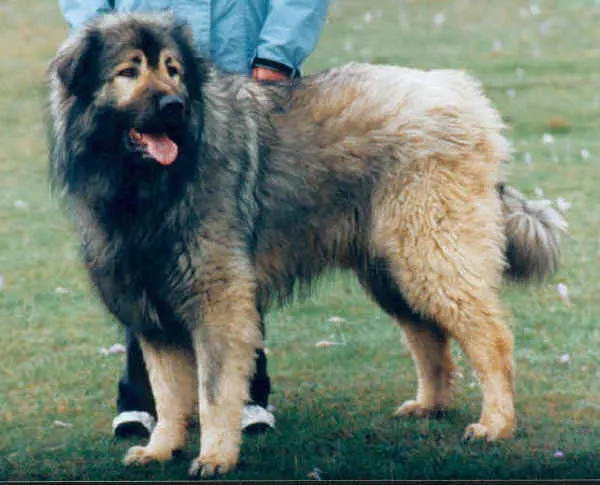
Sarplaninac
This page is educational reference material for preparing questions. A licensed veterinarian examines the animal, makes the diagnosis, and sets the treatment.
Affiliate links may earn a commission. Affiliate disclosure.
Quick Facts
| Attribute | Details |
|---|---|
| Breed Group | Working/Livestock Guardian |
| Size | Large to Giant (77-99 lbs) |
| Height | 22-24 inches (females), 24-26 inches (males) |
| Lifespan | 11-13 years |
| Temperament | Independent, Protective, Devoted |
| Good with Kids | Good (with family, needs supervision) |
| Good with Other Dogs | Moderate (can be dominant) |
| Shedding | High (thick double coat) |
| Exercise Needs | Moderate (1-1.5 hours daily) |
| Trainability | Moderate (strong-willed) |
Recommended for Sarplaninac
The Farmer's Dog - Fresh food for large guardian breeds | Embark DNA - Health screening for genetic conditions | Spot Insurance - Coverage for large breed health needs
Sarplaninac Overview
The Sarplaninac (pronounced shar-pla-NEE-nats), also known as the Illyrian Shepherd Dog or Yugoslav Shepherd Dog, originates from the Sar Mountains of southeastern Europe (Kosovo, North Macedonia, and Albania). This ancient breed has protected livestock from wolves, bears, and thieves for thousands of years.
Named after the Sar Planina mountain range, these powerful dogs were bred to work independently, often spending days alone with their flocks in remote mountain pastures. Their thick, dense coat protected them from harsh weather and predator attacks. The Sarplaninac is Serbia's national breed and remains a working livestock guardian throughout the Balkans.
The Sarplaninac is a breed that commands attention not just for its physical appearance but for the depth of personality and capability it brings to a household. With a lifespan averaging 11-13 years, the decision to welcome a Sarplaninac into your family is one that will shape your daily routine, activity levels, and emotional life for well over a decade. This breed's independent, protective, devoted temperament is the product of generations of selective breeding for specific traits—understanding this heritage provides valuable insight into why your Sarplaninac behaves the way it does and what it needs from you as an owner to truly thrive.
Caring well for a Sarplaninac requires more than meeting their basic physical needs. Owners who approach Sarplaninac care with this depth of knowledge create an environment where the animal can genuinely flourish.
Sharing your space with a Sarplaninac means making room — literally and figuratively — for their specific needs. Owners who recognize this early and plan for it tend to have a much smoother experience than those who expect the Sarplaninac to simply fit into their existing routine unchanged.
Temperament & Personality
Sarplaninacs are serious, powerful working dogs.
- Devoted & Loyal: Intensely devoted to their family and livestock, forming deep bonds.
- Independent & Self-Reliant: Bred to work without human direction, they think for themselves.
- Protective & Fearless: Will defend their charges against any threat without hesitation.
- Reserved with Strangers: Naturally suspicious of unfamiliar people and animals.
- Calm but Alert: Typically calm demeanor that can change instantly when threats appear.
The independent, protective, devoted nature of the Sarplaninac is not a simple personality label—it is a complex behavioral profile shaped by breed history, individual genetics, early socialization experiences, and ongoing environmental factors. What this means in practice is that two Sarplaninac from different lines, raised in different environments, can display meaningfully different behavioral tendencies while still sharing core breed characteristics.
Your veterinarian knows your Sarplaninac best — always verify dietary choices with them, especially if your dog has existing health conditions.
Common Health Issues
Sarplaninacs are generally robust, healthy dogs.
orthopedic problems
- Hip Dysplasia: Can occur in large breeds. OFA screening recommended.
- Elbow Dysplasia: Joint issues that should be monitored.
- Panosteitis: Growing pains that can affect large breed puppies.
additional hereditary conditions including allergies and age-related changes
- Bloat (GDV): Risk in deep-chested breeds. Preventive measures important.
- Entropion: Eyelid condition occasionally seen in the breed.
- Hypothyroidism: Can occur, affecting metabolism and coat.
Health Screening Recommendation
Before getting a Sarplaninac, ask breeders for hip/elbow scores and health clearances. Consider Embark DNA testing for comprehensive genetic health screening.
Keeping your Sarplaninac healthy over the long haul requires attention to details that are easy to overlook.
If you are curious about your Sarplaninac's inherited health profile, genetic testing can provide valuable context.
As your Sarplaninac ages, their care needs will shift in ways that are easier to manage when anticipated.
Cost of Ownership
Understanding the full cost helps prepare for Sarplaninac ownership.
| Expense Category | Annual Cost Estimate |
|---|---|
| Food (premium quality) | $700-$1,300 |
| Veterinary Care (routine) | $350-$650 |
| Pet Insurance | $500-$900 |
| Grooming | $150-$350 |
| Training (first year) | $400-$1,200 |
| Supplies & Toys | $250-$500 |
| Total Annual Cost | $2,350-$4,900 |
Sarplaninacs are large livestock guardian dogs with substantial food requirements and strong guarding instincts that make quality socialization and training from an early age essential — costs that add up. Their thick double coat needs regular maintenance, particularly during seasonal shedding, and finding a vet experienced with the breed can mean traveling to a specialist. Secure, spacious fencing is a must and often a significant one-time investment for new owners.
Budget more aggressively for the first year. Beyond the obvious — food, vet visits, supplies — there are costs that catch people off guard: replacing items your Sarplaninac destroys during teething, emergency visits for swallowed objects, and higher food costs during rapid growth phases. After that initial period, expenses settle into a more manageable rhythm.
Owners who maintain a regular preventive care schedule for their Sarplaninac consistently report lower overall vet costs than those who wait for problems to appear. The math favors prevention every time.
Exercise & Activity Requirements
Sarplaninacs have moderate but consistent exercise needs: Every Sarplaninac benefits from an owner willing to dig below surface-level recommendations.
- Daily Exercise: 1-1.5 hours of activity including patrols and walks
- Territory Patrol: Need space to patrol and guard
- Mental Engagement: Benefit from having responsibility and purpose
- Moderate Intensity: Steady, enduring activity rather than bursts of energy
- Weather Tolerance: Built for cold mountain climates; need shade in heat
Training Tips for Sarplaninacs
Training requires experience with guardian breeds.
- Early Socialization: Critical to prevent over-protective behavior
- Experienced Handling: Not recommended for novice dog owners
- Patient, Consistent Approach: Their independent nature requires persistence
- Mutual Respect: Training should build mutual respect, not dominance
- Realistic Expectations: They will never be highly obedient like a Border Collie
Nutrition & Feeding
Proper nutrition supports their large, working bodies.
- Large Breed Formula: Choose food designed for large/giant breeds
- Controlled Growth: Puppies need slow, steady growth to protect joints
- Bloat Prevention: Feed 2-3 smaller meals, use slow feeders
- Moderate Protein: Quality protein without excessive amounts
- Joint Support: Include omega fatty acids for joint health
Top Food Choices for Sarplaninacs
The Farmer's Dog - Fresh, portion-controlled meals | Ollie - Custom fresh food for large breeds | Hill's Science Diet - Large breed formulas
Do not overthink your Sarplaninac's diet to the point of paralysis. That practical, observation-based approach beats any marketing claim.
Grooming Requirements
Their thick coat requires significant maintenance.
- Brushing: 2-3 times weekly, daily during heavy shedding
- Bathing: Every 6-8 weeks or as needed
- Shedding: Very heavy seasonal shedding
- Ear Cleaning: Weekly checks and cleaning
- Nail Trimming: Every 3-4 weeks
- Dental Care: Regular dental hygiene recommended
Sarplaninacs Are Great For:
- Experienced owners with guardian breed knowledge
- Rural properties or farms with livestock to protect
- Those seeking a serious, devoted protector
- Homes with large, very secure fencing
- Cold climate environments
Sarplaninacs May Not Be Ideal For:
- First-time dog owners
- Urban or suburban environments
- Those seeking an obedient, people-pleasing dog
- Families with frequent visitors or social gatherings
- Hot climate regions without climate control
If your research has confirmed that you can realistically meet a Sarplaninac's needs, the next move is finding a healthy, well-adjusted individual from a responsible breeder or a breed-specific rescue. A well-chosen Sarplaninac from a reliable source sets the stage for a much smoother experience from day one.
The relationship you build with a Sarplaninac deepens over time. That is what keeps Sarplaninac owners coming back to the breed.
Related Breeds to Consider
If you're interested in Sarplaninacs, you might also consider.
- Tornjak - Balkan guardian with gentler temperament
- Carpathian Shepherd - Romanian guardian breed
- Kangal - Turkish livestock guardian
- Caucasian Shepherd - Larger Eurasian guardian
Ask Our AI About Sarplaninacs
Related Health & Care Guides
Get Personalized AI Guidance
Ask Our AI NowDecision Guides for Sarplaninac
Use these only when comparing food, insurance, ownership budget, or beginner fit for this specific pet.