Pumi
This page is educational reference material for preparing questions. A licensed veterinarian examines the animal, makes the diagnosis, and sets the treatment.
Affiliate links may earn a commission. Affiliate disclosure.
Quick Facts
| Attribute | Details |
|---|---|
| Breed Group | Herding |
| Size | Medium (22-29 lbs) |
| Height | 15-18.5 inches |
| Lifespan | 12-13 years |
| Temperament | Lively, Alert, Intelligent, Vocal |
| Good with Kids | Good (best with older children) |
| Good with Other Dogs | Moderate (can be dog-selective) |
| Shedding | Low (curly coat) |
| Exercise Needs | High (60+ minutes daily) |
| Trainability | Excellent (eager to work) |
Recommended for Pumi
The Farmer's Dog - Fresh food for active breeds | Embark DNA - Health screening for genetic conditions | Spot Insurance - Coverage for herding breeds
Pumi Overview
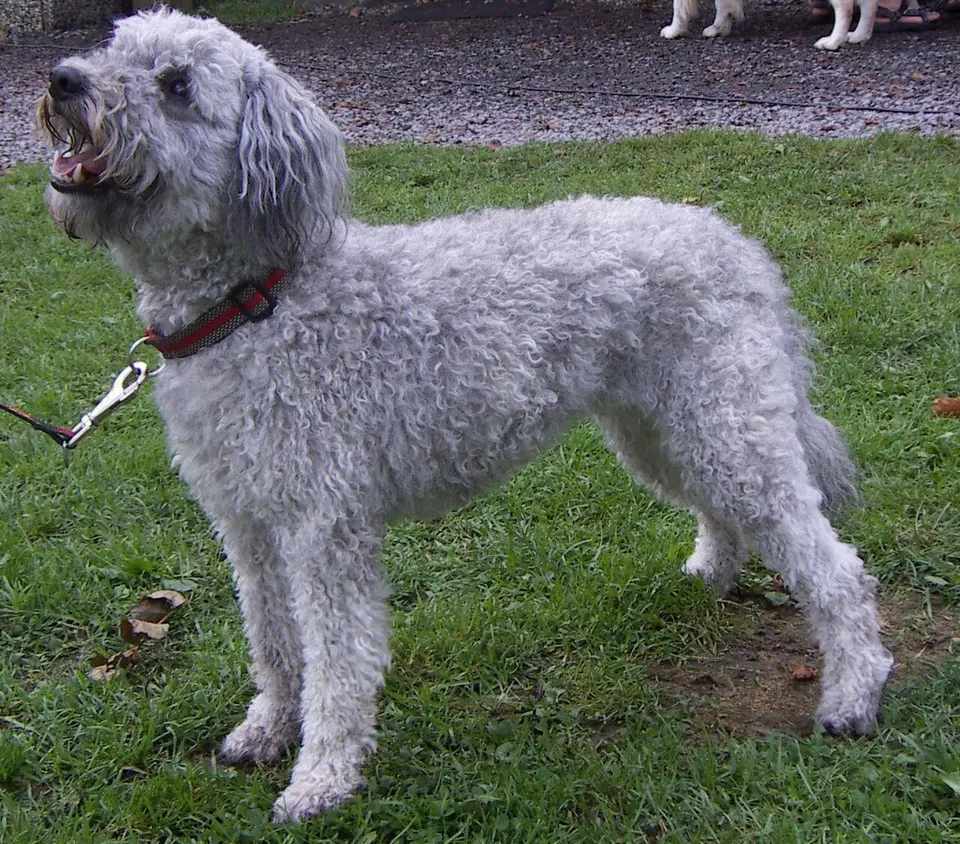
The Pumi (plural: Pumik) is a lively Hungarian herding breed that developed in the 17th and 18th centuries when Hungarian Puli dogs were crossed with German and French herding breeds with prick ears. The result was an agile, alert dog with distinctive corkscrew curls and semi-erect ears that give them a whimsical, terrier-like expression.
In Hungary, Pumik have traditionally been all-purpose farm dogs - herding sheep, cattle, and pigs, driving livestock to market, and serving as alert watchdogs. Their combination of herding instinct, intelligence, and terrier-like boldness makes them exceptional working dogs and engaging companions for active owners.
The Pumi is a breed that commands attention not just for its physical appearance but for the depth of personality and capability it brings to a household. With a lifespan averaging 12-13 years, the decision to welcome a Pumi into your family is one that will shape your daily routine, activity levels, and emotional life for well over a decade. This breed's lively, alert, intelligent, vocal temperament is the product of generations of selective breeding for specific traits—understanding this heritage provides valuable insight into why your Pumi behaves the way it does and what it needs from you as an owner to truly thrive.
The difference between a good Pumi owner and a great one comes down to understanding what this particular animal actually needs, rather than projecting assumptions based on appearance or general expectations. Every Pumi has traits rooted in its background that influence behavior, health, and daily care requirements.
Welcoming a Pumi into your home is less about adding a pet and more about adopting a new set of daily responsibilities.
Temperament & Personality
The Pumi has a spirited, engaging personality.
- Energetic & Lively: Pumik are perpetual motion machines. They're always ready for action and need plenty of exercise and mental stimulation.
- Intelligent & Quick: Extremely smart and quick to learn, making them excel at dog sports and activities.
- Alert & Vocal: Natural watchdogs who will bark to alert you. Training is needed to manage barking.
- Bold & Confident: Despite their medium size, Pumik have big personalities and aren't intimidated easily.
- Devoted to Family: They bond closely with their people but may be reserved with strangers initially.
The lively, alert, intelligent, vocal nature of the Pumi is not a simple personality label—it is a complex behavioral profile shaped by breed history, individual genetics, early socialization experiences, and ongoing environmental factors. What this means in practice is that two Pumi from different lines, raised in different environments, can display meaningfully different behavioral tendencies while still sharing core breed characteristics.
Common Health Issues
Pumik are generally healthy dogs with few major health concerns.
hip and joint issues
- Hip Dysplasia: Occurs at low to moderate rates. OFA screening recommended for breeding dogs.
- Patellar Luxation: Kneecap displacement can occur. Have breeding dogs evaluated.
Eye Conditions
- Primary Lens Luxation: DNA test available for this serious eye condition.
- Degenerative Myelopathy: DNA test available. Progressive spinal cord disease.
- Cataracts: Annual eye exams help detect early.
Other Concerns
- Elbow Dysplasia: Less common but worth screening in breeding dogs.
- Ear Issues: Folded ears may need regular cleaning.
Health Screening Recommendation
Ask breeders for hip evaluation, patella exam, and PLL (Primary Lens Luxation) DNA test at minimum. Consider Embark DNA testing for comprehensive genetic screening.
Preventive care for a Pumi is not just about annual exams — it is a mindset. That partnership between attentive ownership and professional guidance is what keeps most Pumis in good shape throughout their lives.
Understanding your Pumi's genetic makeup can guide decisions about everything from exercise intensity to supplement choices. It is one of the more practical tools available for anyone committed to keeping their Pumi in the best possible shape.
Planning for your Pumi's senior phase begins well before the grey appears. Pumis that receive thoughtful, consistent care through this transition tend to maintain vitality and comfort far longer than those whose care remains static.
Cost of Ownership
Understanding the full cost helps prepare for Pumi ownership.
| Expense Category | Annual Cost Estimate |
|---|---|
| Food (premium quality) | $400-$700 |
| Veterinary Care (routine) | $300-$500 |
| Pet Insurance | $350-$600 |
| Grooming | $200-$400 |
| Training & Activities | $300-$800 |
| Supplies & Toys | $200-$400 |
| Total Annual Cost | $1,750-$3,400 |
The numbers in the table above are averages — your actual spending will depend on where you live, your Pumi's individual health, and the choices you make about food quality, insurance, and grooming. Cities tend to be pricier for vet care. Rural areas may require longer drives to specialists.
Most new Pumi owners are surprised by first-year costs. The good news is that subsequent years are more predictable. Just keep in mind that senior Pumis may need additional care as they enter the last few years of their 12-13 years lifespan.
Exercise & Activity Requirements
Pumik are high-energy dogs requiring significant daily activity.
- Daily Exercise: 60+ minutes of vigorous activity including running, play, and training
- Agility: Exceptional at agility due to their speed, intelligence, and enthusiasm
- Herding: Natural herders who excel at herding trials and treibball
- Mental Challenges: Essential - puzzle toys, training, and nose work
- Outdoor Activities: Enjoy hiking, jogging, and other active pursuits
Training Tips for Pumi
Pumik are highly trainable but need the right approach.
- Start Early: Begin training and socialization as soon as you bring puppy home.
- Keep It Engaging: Pumik get bored with repetition. Make training fun and varied.
- Positive Reinforcement: They respond well to treats and praise.
- Manage Barking: Teach a "quiet" command early. Pumik are naturally vocal.
- Channel Energy: Give them a job to do - they thrive when they have purpose.
Nutrition & Feeding
Proper nutrition supports Pumi energy and health.
- High-Quality Protein: Active Pumik need quality protein for their energy needs.
- Appropriate Calories: Match food quantity to activity level.
- Smaller Portions: Feed 2-3 meals daily rather than free-feeding.
- Joint Support: Consider foods with glucosamine as they age.
- Fresh Water: Always available, especially important for active dogs.
Top Food Choices for Pumik
The Farmer's Dog - Fresh, balanced meals | Ollie - Custom fresh food plans | Hill's Science Diet - Active breed formulas
Marketing claims on pet food packaging can be misleading. What actually matters for your Pumi is whether the food delivers balanced protein, fat, and micronutrients suited to their specific needs. Instead of chasing trendy ingredients, let your Pumi's physical condition — their coat, energy, weight, and digestive health — guide your choices.
Grooming Requirements
The Pumi's coat has specific care requirements: Every Pumi benefits from an owner willing to dig below surface-level recommendations.
- Combing: Every 2-3 weeks to prevent matting
- No Brushing: Brushing destroys the curl pattern. Use a wide-toothed comb.
- Wetting: Wet the coat and scrunch to restore curls after combing
- Bathing: Every 4-6 weeks; let coat air dry to maintain curls
- Ear Care: Regular cleaning of folded ears
- Nail Trimming: Every 2-3 weeks
- Dental Care: Daily brushing recommended
Is a Pumi Right for You?
Pumi ownership rewards steady, informed choices more than heroic ones; the repeatable pattern is what produces the outcomes. Small tweaks based on how your Pumi actually reacts usually beat rigid adherence to a template.
Pumik Are Great For:
- Very active individuals or families
- Dog sport enthusiasts (agility, herding, obedience)
- People with allergies (low-shedding coat)
- Experienced owners who enjoy training
- Those wanting a lively, entertaining companion
Pumik May Not Be Ideal For:
- First-time dog owners
- Sedentary households
- Apartment dwellers (unless very committed to exercise and bark training)
- Those sensitive to barking
- People seeking a calm, quiet dog
Bringing any dog into your home is a long-term commitment, and the Pumi is no exception. A Pumi thrives in a household where everyone participates in care, not just the person who wanted one.
People who live with a Pumi tend to develop a deep appreciation for the breed's personality — the lively, alert, intelligent, vocal nature becomes part of the household's rhythm.
Related Breeds to Consider
If you're interested in Pumi, you might also consider.
- Mudi - Similar Hungarian herding breed
- Puli - Larger Hungarian herding dog with corded coat
- Spanish Water Dog - Similar curly-coated herding breed
- Border Collie - Similar intelligence and energy level
Ask Our AI About Pumi
Health and behavior metrics for a Pumi. A Pumi is a smaller Hungarian herder with a curly coat and a terrier-like bark. They need a job and a comb, and they will notify you about every leaf. They are not a quiet apartment ornament. Keep the coat from matting at the skin, and give the dog training that uses the brain or the barking becomes the hobby.
Related Health & Care Guides
Every Pumi benefits from an owner willing to dig below surface-level recommendations.
Get Personalized AI Guidance
Ask Our AI NowDecision Guides for Pumi
Use these only when comparing food, insurance, ownership budget, or beginner fit for this specific pet.