Pharaoh Hound
This page is educational reference material for preparing questions. A licensed veterinarian examines the animal, makes the diagnosis, and sets the treatment.
Affiliate links may earn a commission. Affiliate disclosure.
Quick Facts
| Attribute | Details |
|---|---|
| Breed Group | Hound |
| Size | Medium (45-55 lbs) |
| Height | 21-25 inches |
| Lifespan | 12-14 years |
| Temperament | Affectionate, Playful, Noble |
| Good with Kids | Good |
| Good with Other Dogs | Good (with proper socialization) |
| Shedding | Low to Moderate |
| Exercise Needs | High (1-2 hours daily) |
| Trainability | Moderate (independent but willing) |
Recommended for Pharaoh Hounds
The Farmer's Dog - Fresh food for athletic sighthounds | Embark DNA - Comprehensive health screening | Spot Insurance - Coverage for rare breed conditions
Pharaoh Hound Overview
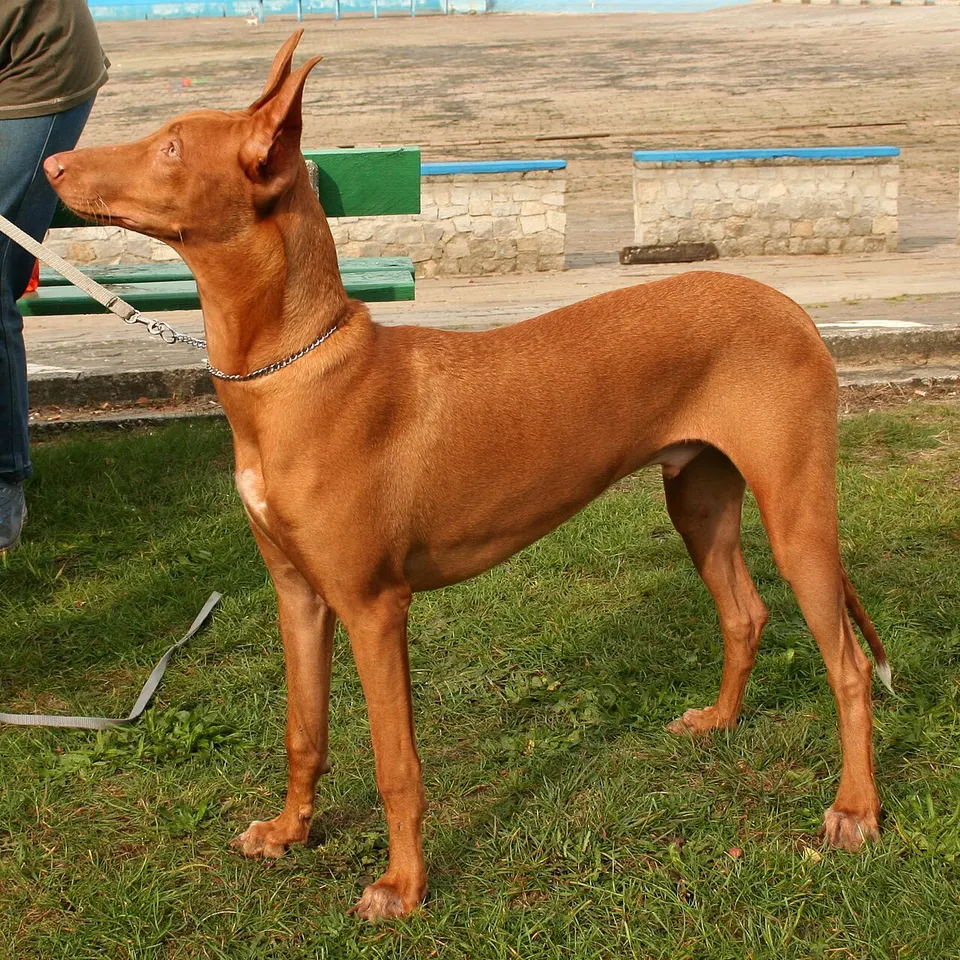
The Pharaoh Hound is the national dog of Malta, where it is known as "Kelb tal-Fenek" (rabbit dog). Despite its name suggesting Egyptian origins, the breed was actually developed in Malta where it has been used for centuries to hunt rabbits. This elegant sighthound is famous for its unique ability to "blush" - their nose and ears turn deep rose when excited or happy.
With their graceful, athletic build, amber eyes, and rich tan coat, Pharaoh Hounds are strikingly beautiful dogs. They combine the independent nature typical of sighthounds with an unusually playful and affectionate personality that sets them apart from their more aloof cousins.
The Pharaoh Hound is a breed that commands attention not just for its physical appearance but for the depth of personality and capability it brings to a household. With a lifespan averaging 12-14 years, the decision to welcome a Pharaoh Hound into your family is one that will shape your daily routine, activity levels, and emotional life for well over a decade. This breed's affectionate, playful, noble temperament is the product of generations of selective breeding for specific traits—understanding this heritage provides valuable insight into why your Pharaoh Hound behaves the way it does and what it needs from you as an owner to truly thrive.
Knowing a Pharaoh Hound well means going beyond the basics of food and shelter.
Day-to-day life with a Pharaoh Hound means building their needs into your routine, not fitting them around the edges. Owners who treat these tasks as non-negotiable parts of their schedule — rather than things to squeeze in when convenient — see markedly better outcomes in both their Pharaoh Hound's health and their own enjoyment of the experience.
Temperament & Personality
Pharaoh Hounds have a delightful personality that combines elegance with playfulness.
- Affectionate & Loving: Unlike many sighthounds, Pharaoh Hounds are deeply attached to their families and crave attention and companionship.
- Playful & Fun-loving: They retain a puppy-like playfulness throughout their lives and have a great sense of humor.
- Intelligent & Alert: Quick to learn and always aware of their surroundings, they make good watchdogs.
- Sensitive: They are emotionally sensitive and respond poorly to harsh treatment or raised voices.
- High Prey Drive: As hunting dogs, they will chase small animals and should never be off-leash in unfenced areas.
The affectionate, playful, noble nature of the Pharaoh Hound is not a simple personality label—it is a complex behavioral profile shaped by breed history, individual genetics, early socialization experiences, and ongoing environmental factors. What this means in practice is that two Pharaoh Hound from different lines, raised in different environments, can display meaningfully different behavioral tendencies while still sharing core breed characteristics.
A five-minute vet conversation is how generic Pharaoh Hound guidance becomes a plan fitted to your specific animal.
Common Health Issues
Pharaoh Hounds are generally a healthy breed with few inherited conditions.
Potential Health Concerns
- Anesthesia Sensitivity: Like many sighthounds, they are sensitive to anesthesia due to low body fat. Veterinarians should be experienced with sighthounds.
- Allergies: Some Pharaoh Hounds develop skin allergies or food sensitivities.
- Patellar Luxation: Occasionally seen, where the kneecap slips out of place.
- Hip Dysplasia: Uncommon but can occur.
Temperature Sensitivity
- Cold Intolerance: Their thin coat and low body fat make them sensitive to cold. They need coats in winter weather.
- Sunburn Risk: Their thin coat and light skin can make them prone to sunburn.
Health Screening Recommendation
Ask breeders for hip evaluations and eye examinations. Ensure your veterinarian has experience with sighthound anesthesia protocols. Consider Embark DNA testing for comprehensive health screening.
Health management for a Pharaoh Hound works best when owners treat it as an ongoing conversation with their veterinarian rather than a once-a-year formality.
For Pharaoh Hound owners interested in data-driven care, genetic testing offers a practical advantage.
Every Pharaoh Hound ages differently, but there are common patterns worth watching for. Owners who recognize these shifts as opportunities to recalibrate — rather than signs that the end is near — position their Pharaoh Hound for a much more comfortable senior stage.
Cost of Ownership
Pharaoh Hounds are rare, which affects initial cost but they are relatively economical to maintain.
| Expense Category | Annual Cost Estimate |
|---|---|
| Food (premium quality) | $500-$800 |
| Veterinary Care (routine) | $300-$500 |
| Pet Insurance | $350-$600 |
| Grooming | $50-$150 |
| Training (first year) | $200-$800 |
| Supplies & Toys | $150-$300 |
| Total Annual Cost | $1,550-$3,150 |
Exercise & Activity Requirements
Pharaoh Hounds are athletic dogs that need significant daily exercise.
- Daily Exercise: 1-2 hours of activity including long walks, runs, or play in a securely fenced area
- Secure Fencing: 6-foot minimum fence required - they are excellent jumpers and will chase anything that moves
- Lure Coursing: Excellent outlet for their natural hunting instincts
- Mental Stimulation: Puzzle toys and interactive games help keep them engaged
- Indoor Time: Despite their athleticism, they love lounging on soft furniture with their family
Training Tips for Pharaoh Hounds
Pharaoh Hounds are more trainable than many sighthounds but still require patience.
- Positive Methods Only: Their sensitivity means harsh corrections will damage trust and set back training
- Keep It Fun: They respond well to games and variety in training sessions
- Early Socialization: Expose to many people, places, and situations to build confidence
- Recall Training: Important but may never be reliable due to prey drive - always use a leash in unfenced areas
- Patience Required: They may understand what you want but decide not to comply - make training rewarding
Nutrition & Feeding
Pharaoh Hounds need quality nutrition to support their athletic build.
- High-Quality Protein: Choose foods with named meat sources as primary ingredients
- Monitor Weight: They should be lean - you should see a hint of ribs
- Avoid Overfeeding: Extra weight is unhealthy for their joints and overall health
- Two Meals Daily: Split daily rations to help prevent bloat
- Fresh Water: Always available, especially after exercise
Top Food Choices for Pharaoh Hounds
The Farmer's Dog - Fresh, portion-controlled meals | Ollie - Custom fresh food for your hound's needs | Hill's Science Diet - Vet-recommended formulas
Grooming Requirements
Pharaoh Hounds have minimal grooming needs.
- Brushing: Weekly brushing with a rubber curry or hound glove
- Bathing: Only as needed - they have little doggy odor
- Nail Trimming: Every 2-3 weeks
- Ear Cleaning: Weekly checks - their large ears should be kept clean
- Dental Care: Daily brushing recommended
Pharaoh Hounds Are Great For:
- Active families who can provide daily exercise
- Those who want an affectionate, playful companion
- Homes with secure, high fencing
- People who appreciate sighthound elegance with added personality
- Experienced dog owners who understand independent breeds
Pharaoh Hounds May Not Be Ideal For:
- Homes with small pets (cats, rabbits, etc.)
- Those wanting a dog with reliable off-leash recall
- Very cold climates without proper indoor accommodation
- People who want a quiet dog (they can be vocal)
- Apartment living without committed exercise routine
A Pharaoh Hound is a sighthound that blushes: the nose and ears flush pink when the dog is excited. They are lean, they chase anything that moves, and they can clear an ordinary fence. Anesthesia doses should respect a sighthound's low body fat. Give them a sprint and then a warm bed. Ribs that show are normal. A pot belly is not.
The relationship you build with a Pharaoh Hound deepens over time. That is what keeps Pharaoh Hound owners coming back to the breed.
Related Breeds to Consider
If you're interested in Pharaoh Hounds, you might also consider.
- Ibizan Hound - Similar elegant sighthound, slightly larger
- Cirneco dell'Etna - Smaller version with similar temperament
- Basenji - Another ancient breed with similar characteristics
- Greyhound - Gentle sighthound, often available through adoption
Ask Our AI About Pharaoh Hounds
Related Health & Care Guides
The closer your routine tracks the Pharaoh Hound's specific traits, the easier everything downstream becomes.
Get Personalized AI Guidance
Ask Our AI NowDecision Guides for Pharaoh Hound
Use these only when comparing food, insurance, ownership budget, or beginner fit for this specific pet.