American Foxhound
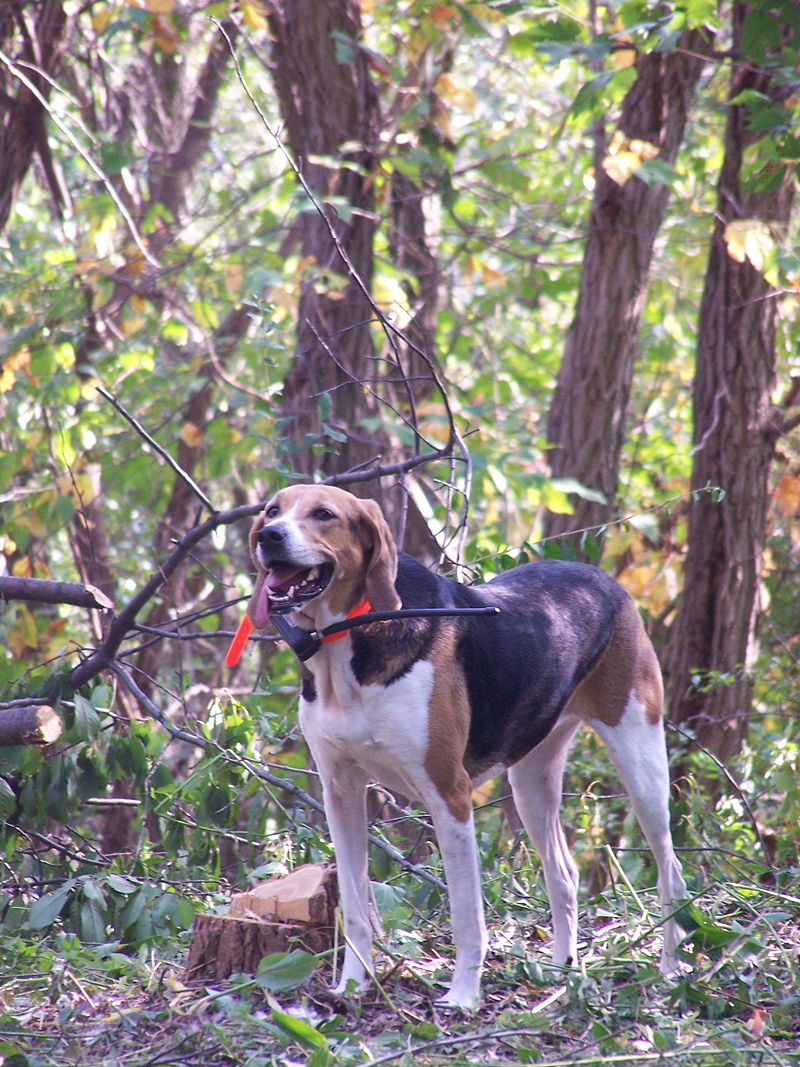
Quick Facts
| Attribute | Details |
|---|---|
| Breed Group | Hound |
| Size | Large (60-70 lbs) |
| Height | 21-25 in |
| Lifespan | 11-13 years |
| Temperament | Independent, Easy-Going, Sweet |
| Good with Kids | Good |
| Shedding | Low |
| Exercise Needs | High |
| Grooming Needs | Low |
Recommended for American Foxhounds
Use the defaults here as a scaffold and let your veterinary team replace the placeholder values with ones calibrated to your pet's specific health profile.
American Foxhound Overview
The American Foxhound is a large hound breed known for being independent, easy-going, sweet. Weighing 60-70 lbs and standing 21-25 in tall, this breed combines an appealing appearance with a wonderful temperament that has made it a favorite among dog enthusiasts worldwide. With a lifespan of 11-13 years, the American Foxhound offers years of loyal companionship.
Originally developed for hunting and tracking with exceptional senses, the American Foxhound has evolved into an excellent family companion while retaining many of its original instincts and abilities.
American Foxhounds are good family dogs that do well with respectful children. Their independent nature makes them ideal for active families who enjoy outdoor activities.
The American Foxhound is a breed that commands attention not just for its physical appearance but for the depth of personality and capability it brings to a household. With a lifespan averaging 11-13 years, the decision to welcome an American Foxhound into your family is one that will shape your daily routine, activity levels, and emotional life for well over a decade. This breed's independent, easy-going, sweet temperament is the product of generations of selective breeding for specific traits—understanding this heritage provides valuable insight into why your American Foxhound behaves the way it does and what it needs from you as an owner to truly thrive.
The American Foxhound was not designed to be a generic pet, and the owners who do best with them are the ones who respect that. Learning about the breed's specific temperament, activity needs, and health predispositions takes effort, but that effort directly translates into a healthier, happier American Foxhound and a more rewarding ownership experience overall.
Temperament & Personality
American Foxhounds have a distinctive personality that endears them to their owners: Understanding how this applies specifically to Foxhound helps you avoid common pitfalls.
- Independent: This defining trait makes the American Foxhound a standout companion that bonds deeply with their family.
- Easy-Going: Their easy-going nature means they are always eager to please and participate in family activities.
- Sweet: American Foxhounds show remarkable sweet in various situations and environments.
- Family-Oriented: They thrive on human companionship and form strong bonds with all family members.
- Alert: American Foxhounds are naturally watchful and will alert their families to unusual activity.
- Energetic: Their energy level is high, requiring regular daily exercise and activities.
- Social: American Foxhounds can be selective with strangers but warm up with proper introductions.
- Trainable: Their intelligence makes training rewarding but requires patience due to their independent streak.
The independent, easy-going, sweet nature of the American Foxhound is not a simple personality label—it is a complex behavioral profile shaped by breed history, individual genetics, early socialization experiences, and ongoing environmental factors. What this means in practice is that two American Foxhound from different lines, raised in different environments, can display meaningfully different behavioral tendencies while still sharing core breed characteristics. Understanding this distinction helps owners set realistic expectations and develop training strategies tailored to their individual dog rather than relying solely on breed generalizations.
Common Health Issues
American Foxhounds are generally healthy dogs, but like all breeds, they can be prone to certain conditions.
skeletal and joint concerns
- Ear Infections: A common concern in large breeds. Regular screening and maintaining healthy weight helps manage this condition.
- Bloat: Can affect American Foxhounds, particularly as they age. Early detection through regular vet visits is important.
dental disease, skin conditions, and breed-related eye problems
- Hip Dysplasia: American Foxhound owners should be aware of this condition and discuss prevention strategies with their veterinarian.
- Eye Conditions: Regular health screening helps catch this condition early when it is most treatable.
- Scent-driven selective hearing: A breed-relevant concern that responsible breeders screen for.
Taking care of an American Foxhound's long-term health means knowing what to watch for and when to act. Rather than waiting for obvious symptoms, experienced owners learn to read the quieter signals: a skipped meal here, a hesitation on the stairs there. Bringing those details to your vet during regular visits creates a much richer clinical picture than a single exam can provide on its own, and it is often the difference between catching an issue early and dealing with it late.
Genetic testing gives American Foxhound owners a head start on conditions that might otherwise catch them off guard. By understanding which health risks are written into your American Foxhound's DNA, you can work with your vet to schedule targeted checks and make informed choices about diet, exercise, and supplementation. The information is not a diagnosis — it is a roadmap for smarter, more personalized care.
The shift from prime adulthood to the senior phase is gradual for most American Foxhounds, and the owners who navigate it best are the ones who adapt their care approach incrementally. Small changes — a diet with better joint support, slightly shorter but more frequent exercise sessions, and annual bloodwork instead of biennial — add up to a meaningfully better quality of life in the later years.
Cost of Ownership
Understanding the full cost of American Foxhound ownership helps you prepare financially.
| Expense Category | Annual Cost Estimate |
|---|---|
| Food (premium quality) | $600-$1,200 |
| Veterinary Care (routine) | $300-$600 |
| Pet Insurance | $400-$800 |
| Grooming | $100-$300 |
| Training (first year) | $200-$500 |
| Supplies & Toys | $150-$300 |
| Total Annual Cost | $1,350-$4,000 |
Most new American Foxhound owners are surprised by first-year costs. The initial setup — vet visits, vaccinations, supplies, and often training classes — can easily double the annual maintenance figure. The good news is that subsequent years are more predictable. Just keep in mind that senior American Foxhounds may need additional care as they enter the last few years of their 11-13 years lifespan.
Exercise & Activity Requirements
American Foxhounds have high exercise needs.
- Daily Exercise: 1-2 hours of active exercise including walks, play, and mental stimulation.
- Mental Stimulation: Puzzle toys, training sessions, and interactive games are essential for this intelligent breed.
- Activities: Loves scent work, lure coursing, and long walks.
- Socialization: Regular interaction with other dogs and people keeps your American Foxhound well-adjusted.
- Age Considerations: Puppies need controlled exercise to protect developing joints; seniors benefit from gentler activity.
Training Tips for American Foxhounds
Training an American Foxhound is rewarding but requires patience and consistency.
- Positive Reinforcement: Use treats, praise, and play as rewards for desired behaviors.
- Consistency: Establish clear rules and maintain them across all family members.
- Early Socialization: Expose your American Foxhound to various people, animals, sounds, and environments from puppyhood.
- Short Sessions: Keep training sessions to 10-15 minutes for maximum effectiveness.
- Patience: Their independent streak means they may not always comply immediately - stay patient and make training more rewarding than alternatives.
- Professional Help: Consider professional training classes, especially for first-time American Foxhound owners.
Nutrition & Feeding
Proper nutrition is essential for your American Foxhound's health: The habits that keep a Foxhound healthy long-term almost always start with an owner willing to learn.
- High-Quality Food: Choose foods with named meat proteins as the primary ingredient, appropriate for large breeds.
- Portion Control: Follow feeding guidelines based on ideal weight and adjust based on activity level.
- Life Stage: Feed puppy formula until 18-24 months, then transition to adult food.
- Meal Schedule: Two measured meals daily for adults; three meals for puppies.
- Fresh Water: Always provide access to clean, fresh water.
- Treats: Keep treats to 10% or less of daily caloric intake.
Grooming Requirements
American Foxhounds have low grooming needs: Pet-wide advice is the first draft; the durable version comes from tuning to the individual animal.
- Brushing: Weekly brushing is sufficient to keep the coat in good condition.
- Bathing: Every 4-8 weeks or as needed.
- Nail Trimming: Every 2-3 weeks to prevent overgrowth.
- Dental Care: Brush teeth several times weekly to prevent dental disease.
- Ear Cleaning: Check and clean ears weekly, especially if ears are floppy.
- Shedding: Minimal shedding, making them a better choice for allergy sufferers.
Is an American Foxhound Right for You?
Experienced Foxhound owners often cite this as the factor they wish they had taken more seriously at the start.
American Foxhounds Are Great For:
- Families with older, respectful children
- Active individuals and families who enjoy outdoor adventures
- Both first-time and experienced dog owners
- Those looking for an independent and devoted companion
- People who can commit to basic grooming needs
American Foxhounds May Not Be Ideal For:
- Those living in small apartments without yard access
- Sedentary owners or those with limited time for exercise
- Owners who want zero grooming requirements
- People who leave their dogs alone for extended periods
Ask Our AI About American Foxhounds
Households that learn this layer of Foxhound care early rarely find themselves making high-pressure decisions about it later. Observe closely during the first month; your Foxhound will tell you which parts of the routine to keep.
Get Personalized AI Guidance
Ask Our AI NowWhether an American Foxhound fits your life comes down to a few practical questions. How much time can you realistically spend on exercise, grooming, and training each day? Is your living space suitable? Can you afford both routine care and the occasional surprise vet bill over the next 11-13 years? If the honest answers line up, an American Foxhound can be a genuinely good match. If they don't, there is no shame in choosing a different dog — or waiting until your circumstances change.
Owning a American Foxhound is a practical commitment on paper — grooming, vet care, training — but the thing that keeps owners engaged is relational. A dog that knows you and trusts you becomes part of the texture of daily life, and most American Foxhound owners identify that bond as the reason they keep doing the work.