Dutch Shepherd
This page is educational reference material for preparing questions. A licensed veterinarian examines the animal, makes the diagnosis, and sets the treatment.
Affiliate links may earn a commission. Affiliate disclosure.
Quick Facts
| Attribute | Details |
|---|---|
| Breed Group | Herding |
| Size | Medium to Large (42-75 lbs) |
| Height | 21.5-24.5 inches |
| Lifespan | 11-14 years |
| Temperament | Reliable, Alert, Trainable |
| Good with Kids | Good (with socialization) |
| Good with Other Dogs | Moderate |
| Shedding | Moderate to High (varies by coat type) |
| Exercise Needs | Very High (2+ hours daily) |
| Trainability | Excellent |
Recommended for Dutch Shepherds
The Farmer's Dog - Fresh food for high-energy working breeds | Embark DNA - Health screening for genetic conditions | Spot Insurance - Coverage for active working dogs
Dutch Shepherd Overview
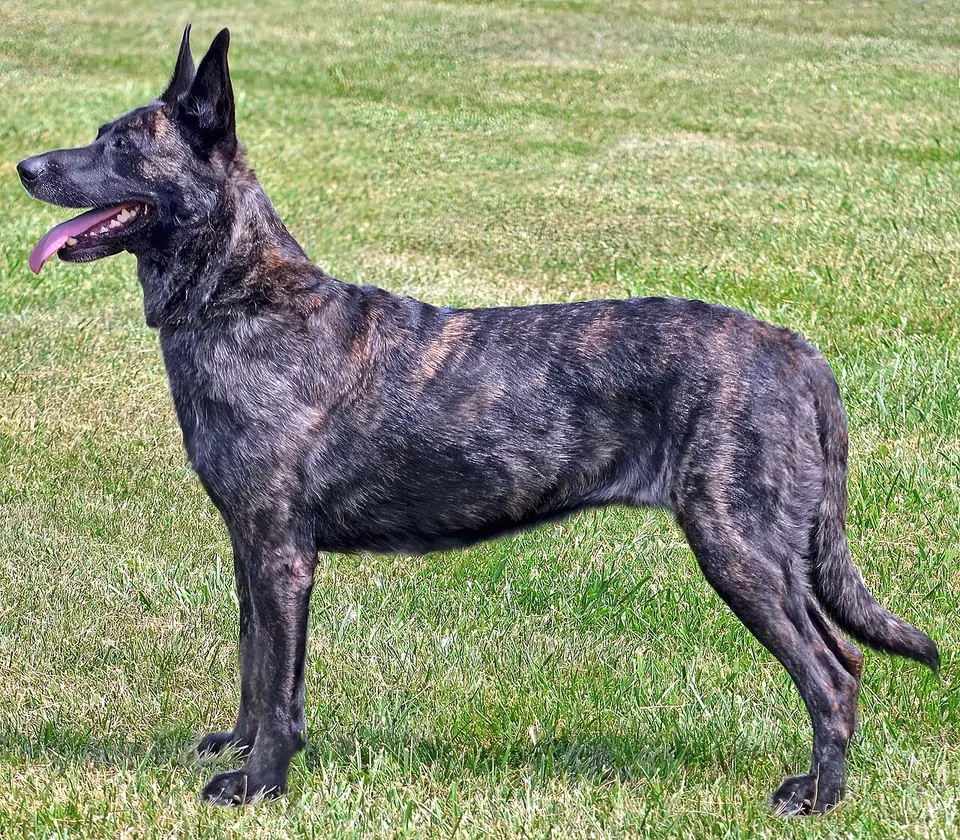
The Dutch Shepherd is a highly versatile working dog originating from the Netherlands. Developed as an all-purpose farm dog, they excelled at herding sheep, guarding property, pulling carts, and watching over children. Their distinctive brindle coat sets them apart from other shepherd breeds.
Dutch Shepherds come in three coat varieties: short-haired, long-haired, and rough-haired (wire-haired). Today, they serve as police dogs, search and rescue dogs, service dogs, and competitive sport dogs. They are prized for their reliability, intelligence, and unwavering work ethic.
The Dutch Shepherd is a breed that commands attention not just for its physical appearance but for the depth of personality and capability it brings to a household. With a lifespan averaging 11-14 years, the decision to welcome a Dutch Shepherd into your family is one that will shape your daily routine, activity levels, and emotional life for well over a decade. This breed's reliable, alert, trainable temperament is the product of generations of selective breeding for specific traits—understanding this heritage provides valuable insight into why your Dutch Shepherd behaves the way it does and what it needs from you as an owner to truly thrive.
Exceptional Dutch Shepherd care starts with understanding, not just affection. Knowing why your Dutch Shepherd behaves the way it does — what instincts drive its daily patterns, what environments suit it best, what stressors to avoid — makes every care decision more effective.
Sharing your space with a Dutch Shepherd means making room — literally and figuratively — for their specific needs. Owners who recognize this early and plan for it tend to have a much smoother experience than those who expect the Dutch Shepherd to simply fit into their existing routine unchanged.
Temperament & Personality
Dutch Shepherds possess exceptional working dog characteristics.
- Reliable & Loyal: Extremely dedicated to their handlers, Dutch Shepherds form deep bonds and are incredibly trustworthy.
- Highly Intelligent: Quick learners who excel at complex tasks and problem-solving.
- Alert & Watchful: Natural guardians who are always aware of their surroundings.
- High Drive: Possess intense work drive that needs appropriate outlets.
- Adaptable: Can adjust to various roles and environments when properly trained.
The reliable, alert, trainable nature of the Dutch Shepherd is not a simple personality label—it is a complex behavioral profile shaped by breed history, individual genetics, early socialization experiences, and ongoing environmental factors. What this means in practice is that two Dutch Shepherd from different lines, raised in different environments, can display meaningfully different behavioral tendencies while still sharing core breed characteristics.
Your veterinarian is the one who translates general Dutch Shepherd guidance into a plan that reflects the individual animal and its current condition.
Common Health Issues
Dutch Shepherds are generally healthy but have some concerns.
joint and skeletal conditions
- Hip Dysplasia: Occurs in the breed; OFA or PennHIP screening recommended.
- Elbow Dysplasia: Can affect some dogs, particularly active working individuals.
Eye Conditions
- Progressive Retinal Atrophy (PRA): Genetic testing available and recommended.
- Cataracts: Can occur in some lines.
hereditary conditions including potential eye, dental, and metabolic issues
- Goniodysplasia: An eye condition affecting fluid drainage that can lead to glaucoma.
- Inflammatory Myopathy: Muscle inflammation that has been reported in the breed.
- Allergies: Some Dutch Shepherds develop skin allergies.
Health Screening Recommendation
Before getting a Dutch Shepherd, ask breeders for hip/elbow scores, eye certifications, and genetic testing results. Consider Embark DNA testing for comprehensive health screening.
Good health outcomes for a Dutch Shepherd depend less on reacting to problems and more on preventing them from gaining a foothold.
Cost of Ownership
Understanding the full cost helps prepare for Dutch Shepherd ownership: Generic advice produces a baseline plan; customising around your specific animal is where the meaningful improvements show up.
| Expense Category | Annual Cost Estimate |
|---|---|
| Food (premium quality) | $600-$1,200 |
| Veterinary Care (routine) | $300-$600 |
| Pet Insurance | $450-$800 |
| Grooming | $100-$300 |
| Training (first year) | $500-$2,000 |
| Supplies & Toys | $250-$500 |
| Total Annual Cost | $2,200-$5,400 |
Expect the first year of Dutch Shepherd ownership to carry the heaviest financial load.
Regular health assessments for your Dutch Shepherd are an investment, not an expense.
Exercise & Activity Requirements
Dutch Shepherds need extensive physical and mental exercise.
- Daily Exercise: 2+ hours of vigorous activity including running, hiking, or working tasks
- Mental Stimulation: Advanced training, puzzle toys, and problem-solving challenges
- Dog Sports: Excel at IPO/Schutzhund, agility, obedience, and tracking
- Working Activities: Thrive when given jobs - protection work, search and rescue, etc.
- Structured Play: Benefit from organized activities with clear rules
Training Tips for Dutch Shepherds
Dutch Shepherds are highly trainable and eager to work.
- Start Early: Begin training and socialization as soon as possible
- Be Consistent: Clear, consistent rules and expectations are essential
- Use Positive Methods: Reward-based training builds strong working relationships
- Challenge Them: Keep training interesting with advanced exercises
- Channel Drive: Provide appropriate outlets for their intense work drive
Nutrition & Feeding
Proper nutrition supports their athletic bodies.
- High-Quality Protein: Active Dutch Shepherds need protein-rich food
- Performance Formulas: Working dogs may benefit from sport or performance diets
- Appropriate Calories: Adjust portions based on activity level
- Joint Support: Include omega-3s and glucosamine for joint health
- Multiple Meals: Feed 2-3 times daily to maintain energy levels
Top Food Choices for Dutch Shepherds
The Farmer's Dog - Fresh, customized meal plans | Ollie - Fresh food for active dogs | Hill's Science Diet - Performance formulas for working dogs
Feeding a Dutch Shepherd well is less about following trends and more about paying attention to your specific animal. Some Dutch Shepherds do great on standard kibble; others need a different approach due to allergies, sensitivities, or individual metabolism. Work with your vet to find what works, and be willing to adjust as your Dutch Shepherd's needs change with age.
Grooming Requirements
Grooming varies by coat type.
- Short-Haired: Weekly brushing, more during shedding seasons
- Long-Haired: 2-3 times weekly brushing to prevent matting
- Rough-Haired: Hand stripping twice yearly, regular brushing
- Bathing: Every 6-8 weeks or as needed
- Nail Trimming: Every 3-4 weeks
- Ear Cleaning: Weekly checks and cleaning
Is a Dutch Shepherd Right for You?
Most Dutch Shepherd owners eventually land on these topics. Reading them early makes the first-year learning curve much shorter.
Dutch Shepherds Are Great For:
- Experienced owners familiar with working breeds
- Active individuals or families with time for extensive exercise
- Those interested in dog sports or working activities
- People seeking a loyal, versatile working partner
- Homes with secure yards and space for activity
Dutch Shepherds May Not Be Ideal For:
- First-time dog owners
- Sedentary households unable to meet exercise needs
- Apartment living without commitment to extensive outdoor exercise
- Those seeking a low-energy companion
- Families unable to provide mental stimulation and training
A Dutch Shepherd is a rare herding breed, usually brindle, with the same working drive people expect from a Malinois. They need sport, tracking, or a real job, and they are a poor choice for a home that wants a quiet yard dog. Hip screening matters, and a puppy with no outlet will bark and chew the work it was not given.
The Dutch Shepherd's brindle coat and athletic build turn heads, but it is the breed's problem-solving ability and deep handler focus that keep experienced working dog owners coming back to it. These dogs notice everything — a change in your body language, a new smell on the wind, an object that was not there yesterday — and they process that information with a speed that can feel almost unsettling until you recognize it as their version of engagement. Handlers who provide structured work, clear communication, and sufficient physical outlets find that the Dutch Shepherd offers a level of collaborative intensity that few other breeds can match.
Related Breeds to Consider
If you're interested in Dutch Shepherds, you might also consider.
- German Shepherd - Similar versatility and trainability
- Belgian Malinois - High-drive working breed
- Beauceron - French herding breed with similar capabilities
- Australian Kelpie - Intense working herding dog
Ask Our AI About Dutch Shepherds
Dutch Shepherd ownership rewards steady, informed choices more than heroic ones; the repeatable pattern is what produces the outcomes. Because each Dutch Shepherd is its own animal, treat any general guideline as a starting point and refine from there.
Related Health & Care Guides
Get Personalized AI Guidance
Ask Our AI NowDecision Guides for Dutch Shepherd
Use these only when comparing food, insurance, ownership budget, or beginner fit for this specific pet.