Ragdoll Cat
This page is educational reference material for preparing questions. A licensed veterinarian examines the animal, makes the diagnosis, and sets the treatment.
Affiliate links may earn a commission. Affiliate disclosure.
Quick Facts
| Attribute | Details |
|---|---|
| Size | Large (10-20 lbs) |
| Lifespan | 12-17 years |
| Temperament | Docile, Affectionate, Relaxed |
| Shedding | Moderate to High |
| Activity Level | Low to Moderate |
| Vocalization | Low (soft voice) |
| Good with Kids | Excellent |
| Good with Other Pets | Excellent |
| Grooming Needs | Moderate |
| Intelligence | High |
Recommended for Ragdoll Cats
Basepaws DNA Test - Screen for HCM genetic markers | Spot Insurance - Coverage for heart conditions | Chewy - Large breed cat essentials
Save on Ragdoll Care
Chewy Autoship - 35% off first Autoship order, then 5% off repeat orders | Lemonade Pet - Affordable coverage from $12/month | Feliway - Keep your sensitive Ragdoll stress-free
Top Food Choices for Ragdolls
Smalls Cat Food - Human-grade fresh cat food | Nom Nom - Customized fresh meals | Chewy - Large breed and heart-healthy formulas
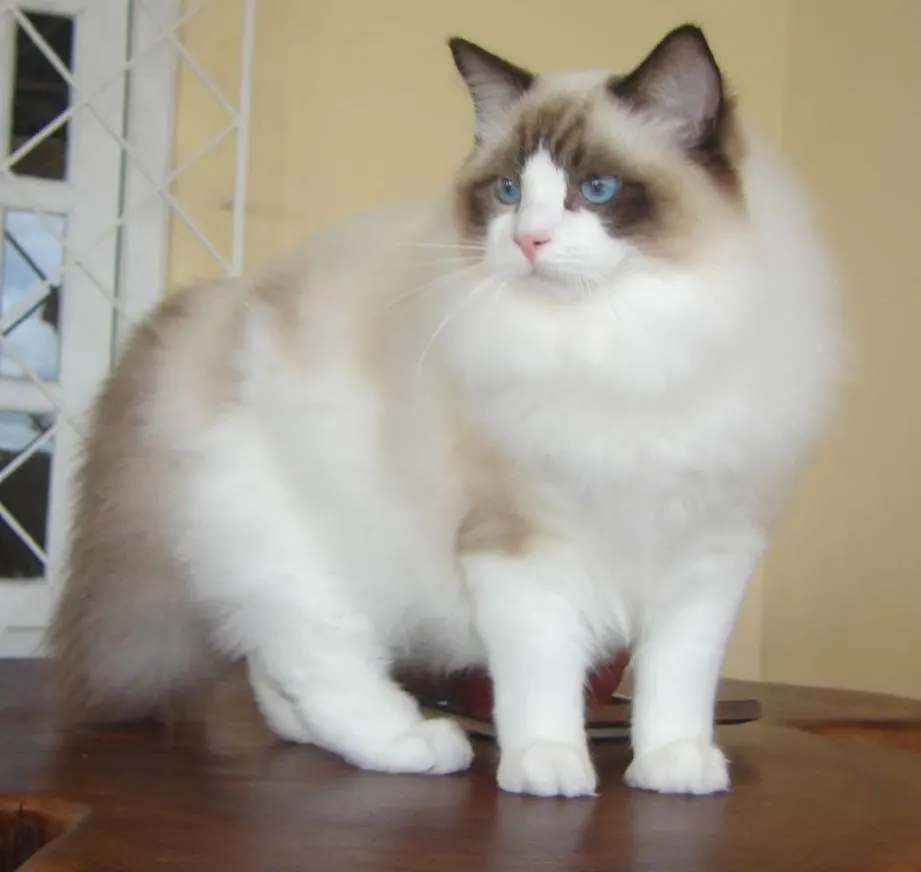
Ragdolls were developed in California in the 1960s for a soft coat and a soft temper, and the result is a large cat that would often rather be in a lap than on top of the refrigerator. Docile, affectionate, and relaxed matches daily life. They chirp quietly. Kids and other pets usually work. Lifespan is about 12 to 17 years.
Relaxed is not sedated
The famous flop happens when a Ragdoll is comfortable being held. It develops with trust. It is not present in every kitten on day one, and it should never be tested by dangling a cat or handing it to a crowd. Pick them up with two hands. A sudden true collapse, blue gums, or open-mouth breathing is heart or airway disease until a vet says otherwise.
They play, then they stop. A wand toy for ten minutes is plenty for many adults. They still need scratching posts and a tall enough perch that a 15-pound cat does not tip it. Indoor life suits them because they do not have a strong "run from danger" setting.
Coat, heart, weight
The semi-long coat mats in the usual places: armpits, trousers, collar line. Comb to the skin a few times a week. Shedding is moderate to high, so the "does not shed" claim you will see in ads is false. Colorpoint patterns mean the points darken with age and cool temperatures, same idea as a Siamese, on a much larger body.
Hypertrophic cardiomyopathy is the inherited disease to ask about. There is a breed-associated mutation, and an ultrasound is still the test that measures the heart. Keep these cats lean. A heavy Ragdoll is harder to groom, harder on the joints, and harder to assess when something is wrong. Routine yearly costs run about $1,400 to $2,700.
This is a reasonable first cat for someone who is home enough to be the lap and who will comb fur. It is a bad match for a free-roaming indoor-outdoor plan. The Merck manual covers feline cardiomyopathy for anyone who wants the physiology. If your Ragdoll skips dinner, use the not-eating guide and the checker rather than assuming a calm cat is just being calm.
Ragdoll handling and heart
Do Ragdolls really go limp?
Many relax deeply when they trust the person holding them. That is not a trance and not permission for strangers to scoop them up. Support the chest and hips. A cat that is actually limp, cold, or unresponsive is a medical emergency.
How big are they?
Often 10 to 20 pounds, with males at the top of that range. They fill out slowly. Lifespan on this page is 12 to 17 years.
Are they low maintenance because they are calm?
The activity level is low to moderate and the voice is soft. The coat is not low maintenance. Mats form in the britches and behind the ears if you skip combing.
Can they go outside?
They are a poor outdoor cat. The breed tends to greet trouble instead of climbing away from it. A catio or a harness is the safer version of outside.
Decision Guides for Ragdoll Cat
Use these only when comparing food, insurance, ownership budget, or beginner fit for this specific pet.