Maine Coon
This page is educational reference material for preparing questions. A licensed veterinarian examines the animal, makes the diagnosis, and sets the treatment.
Affiliate links may earn a commission. Affiliate disclosure.
Quick Facts
| Attribute | Details |
|---|---|
| Size | Large (8-18 lb) |
| Lifespan | 12-15 years |
| Temperament | Gentle, Friendly, Intelligent |
| Shedding | High (long double coat) |
| Activity Level | Moderate to High |
| Vocalization | Moderate (chirps and trills) |
| Good with Kids | Excellent |
| Good with Other Pets | Excellent |
| Grooming Needs | High |
| Intelligence | Very High |
Recommended for Maine Coons
Basepaws DNA Test - Genetic health screening for cats | Spot Insurance - Coverage for HCM & hip dysplasia | Chewy - Large breed cat supplies
Save on Maine Coon Care
Chewy Autoship - 35% off first Autoship order, then 5% off repeat orders | Lemonade Pet - Cat accident & illness plans; prices vary by pet and state | Feliway - Stress reduction for multi-pet homes
Top Food Choices for Maine Coons
Smalls Cat Food - Human-grade fresh cat food | Nom Nom - Fresh, vet-formulated meals | Chewy - Wide selection of large breed cat foods
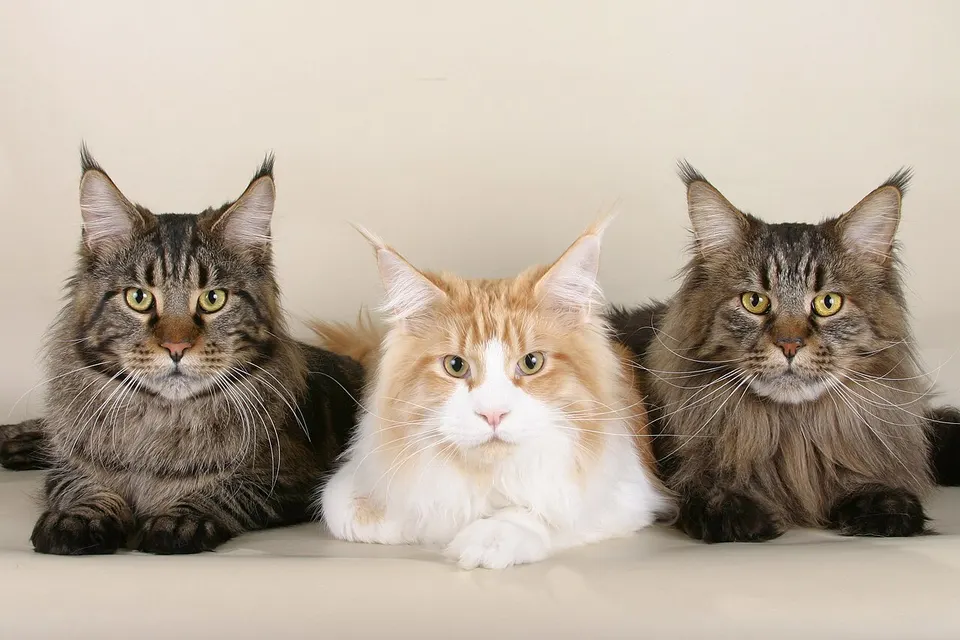
Maine Coons got their reputation as the large friendly cat of New England barns, and the pet version still acts like a person who happens to have fur. Gentle with kids, usually fine with dogs, and interested in what you are doing. They chirp more than they yowl. Activity is moderate to high in bursts, then they spread across a bed like a rug. Lifespan is often 12 to 15 years.
Big is a timeline, not a feeding plan
A male can finish growing closer to three or four years old. That is not permission to free-feed kitten food until the ribs disappear. Feel the ribs, watch the waist, and use a food made for large breeds or simply a measured adult diet once the vet says the growth phase is over. Hip dysplasia shows up in this breed, and extra weight makes it worse. Spinal muscular atrophy is a separate inherited disease; reputable breeders DNA-test for it.
They like water more than most cats. A dripping faucet is enrichment. A deep water bowl also helps some of them actually drink, which matters for urinary health in any cat.
The coat and the heart
The ruff, belly, and ear tufts mat. Plan on a few brushing sessions a week and a metal comb that reaches the skin. A groomer, often $200 to $400 a year, is what happens if you fall behind or if you would rather pay someone. Shedding is high. A lint roller is part of the furniture plan.
Hypertrophic cardiomyopathy is the disease to take seriously. A DNA test for the Maine Coon mutation is useful and incomplete. An echocardiogram is the test that sees the heart. A routine yearly exam is often $200 to $400; a cardiac workup is extra and worth it if there is a murmur, a relative who died young, or you are buying breeding stock. The Merck Veterinary Manual entry on feline HCM is the clinical background.
Cost and home
Total routine yearly cost runs about $1,600 to $3,000. Food is the big ordinary line because the cat is large. Buy a tall, solid cat tree. These cats climb and they also knock over cheap towers. Indoors, or a secure catio, is the longevity plan. Coyotes and cars do not care that the breed is from Maine.
A Maine Coon suits a home that wants company and will groom. It is a mismatch for a studio where nobody is ever home and the litter box is an afterthought. If your cat skips meals, the not-eating page explains why that is time-sensitive in cats, and the checker will push open-mouth breathing and straining to urinate into the urgent column where they belong.
Maine Coon size, heart, and coat
How big do Maine Coons get?
Many land between 10 and 18 pounds, and some males pass 20. The quick facts range goes to 25. They often keep growing past two years old, so a huge kitten food bowl is how they get fat, not how they get tall.
Do they need a heart test?
Breeding cats should be scanned for hypertrophic cardiomyopathy, and the breed has a known MYBPC3 mutation that does not catch every case. For a pet, a vet who actually auscults the heart, and a cardiologist if a murmur shows up, is the practical version.
How much grooming is honest?
Several times a week, more when the coat is blowing. The belly, armpits, and britches mat first. A cat that is only brushed before a holiday photo will need a shave.
Are they beginner cats?
Yes for someone who wants a social cat and will brush it. No for someone who travels constantly or wants a tiny, quiet, low-shed pet.
Decision Guides for Maine Coon
Use these only when comparing food, insurance, ownership budget, or beginner fit for this specific pet.