Arabian Mau
Quick Facts
| Attribute | Details |
|---|---|
| Size | Medium to Large (8-16 lbs) |
| Height | 10-12 inches |
| Lifespan | 12-14 years |
| Temperament | Affectionate, Independent, Active |
| Shedding | Low to Moderate |
| Activity Level | High |
| Vocalization | Moderate |
| Good with Kids | Good |
| Good with Other Pets | Good |
| Grooming Needs | Very Low |
| Intelligence | High |
| Origin | Arabian Peninsula |
| Beginner-Friendly | 4/5 |
Recommended Products
Chewy - Cat food & supplies | Basepaws - Cat DNA testing | Spot Insurance - Cat health coverage
Arabian Mau Overview
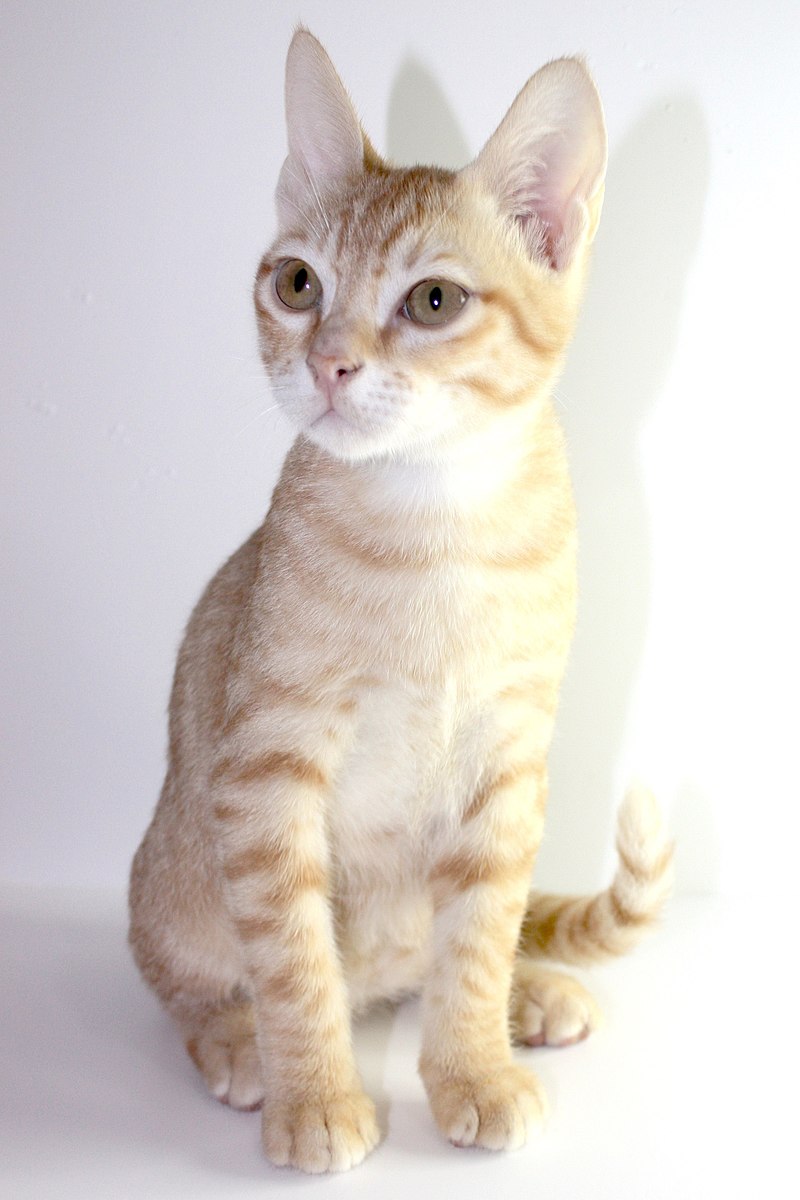
The Arabian Mau is a natural breed that has existed for over 1,000 years in the desert regions of the Arabian Peninsula. These cats descended from the African wildcat and adapted to the harsh desert climate over centuries, developing characteristics perfectly suited to hot, arid environments. They have a lean, muscular build with long legs, large pointed ears, and a short, close-lying coat that requires minimal maintenance. The breed was formally recognized by the World Cat Federation in 2008, though they had been living alongside humans in the Middle East for millennia. Arabian Maus are known for their resilience, adaptability, and affectionate nature. They form strong bonds with their families while maintaining a degree of independence characteristic of desert-adapted cats. Their athletic build and energetic personality make them entertaining and engaging companions.
The Arabian Mau is a breed that exemplifies the remarkable diversity found within the domestic cat world. With a typical lifespan of 12-14 years, bringing an Arabian Mau into your home represents a significant commitment—one that, when properly informed, leads to one of the most rewarding companion animal relationships possible. The Arabian Mau's affectionate, independent, active character is not simply a breed description but reflects deep-seated behavioral tendencies shaped by genetics, early socialization, and the breed's historical development. Understanding these underlying factors helps owners create environments and routines that bring out the best in their Arabian Mau.
What many prospective Arabian Mau owners discover quickly is that this breed has a distinctive personality that sets it apart from the generic notion of what a cat is like. The affectionate, independent, active traits associated with Arabian Mau manifest in daily life through specific play preferences, social interaction patterns, vocalization tendencies, and activity rhythms. Some Arabian Mau are notably more interactive and demanding of attention than average, while others may display an independent streak that requires a different approach to bonding and enrichment. Understanding where your individual Arabian Mau falls on this spectrum—and adjusting your care approach accordingly—is one of the keys to a harmonious human-cat relationship.
Articles can describe the shape of a good Arabian Mau diet; only a veterinarian can tune it to the animal at home.
Personality & Temperament
The Arabian Mau is characterized by its affectionate, independent, active nature. These cats form meaningful bonds with their owners and bring an unique energy to any household. Their high intelligence makes them engaging companions who enjoy interactive play and mental challenges. They require regular active play sessions to stay healthy and happy.
When it comes to family life, Arabian Maus are generally good with respectful children. They can coexist well with other pets when properly introduced.
The affectionate, independent, active temperament of the Arabian Mau manifests in daily life through patterns of behavior that experienced owners learn to anticipate, appreciate, and manage. Unlike dogs, cats express their personality through more nuanced channels—the slow blink that signals trust, the tail position that communicates mood, the specific vocalizations reserved for different contexts and people. With Arabian Mau, these communicative behaviors are often more pronounced and distinctive than in many other breeds, which is part of what makes the breed so engaging for owners who take the time to learn their individual cat's behavioral vocabulary.
Common Health Issues
While Arabian Maus can be healthy cats, they may be prone to certain conditions: Understanding how this applies specifically to Arabian Mau helps you avoid common pitfalls.
- Generally very healthy: A condition that breeders should screen for and owners should monitor.
- Occasional dental issues: A condition that breeders should screen for and owners should monitor.
- Heat-adapted so monitor in very cold climates: A condition that breeders should screen for and owners should monitor.
Health Screening Recommendation
Ask breeders about health testing for breed-specific conditions. Consider Basepaws DNA testing for comprehensive genetic screening.
Good health outcomes for an Arabian Mau depend less on reacting to problems and more on preventing them from gaining a foothold. Regular veterinary checkups, consistent parasite control, and a stable daily routine form the backbone of effective care. Owners who maintain a simple health log — noting appetite, energy, and any unusual behaviors — often spot trends their veterinarian can act on before a condition progresses to something more serious.
Diet & Nutrition
High-protein diet. These active cats have moderate caloric needs. Quality cat food with animal protein as primary ingredient. They are not typically picky eaters.
Housing & Environment
Very adaptable. Can live in apartments or houses. Heat-tolerant but provide shade and water. They enjoy high vantage points for observing their territory.
Grooming Requirements
Minimal grooming needed. Weekly quick brush removes loose hair. Their short coat is virtually self-maintaining.
Activity & Exercise
30 minutes of active play daily. They are athletic and enjoy climbing, running, and hunting games. Interactive toys and puzzle feeders keep them stimulated.
Cost of Ownership
| Expense | Annual Estimate |
|---|---|
| Food (premium) | $300-$600 |
| Veterinary Care | $200-$400 |
| Insurance | $250-$500 |
| Toys & Enrichment | $100-$250 |
| Litter & Supplies | $200-$400 |
| Total Annual | $500-$1500 |
One of the more practical financial habits for Arabian Mau ownership is maintaining a small emergency reserve. Unplanned costs are inevitable — a damaged enclosure, an urgent vet trip, a dietary adjustment after an intolerance surfaces. Owners who budget a buffer on top of their routine expenses consistently report less financial anxiety when these situations arise.
Insurance Considerations
Basic coverage sufficient. Very healthy breed. Budget $15-25/month.
Socialization & Enrichment
Early socialization is vital for Arabian Mau kittens. Between 2-7 weeks of age, kittens are most receptive to new experiences. Expose your kitten to different people, gentle handling, household sounds, and other pets in a positive, controlled manner. Well-socialized cats are more confident, adaptable, and less likely to develop behavioral issues like fear aggression or excessive hiding.
Environmental enrichment keeps your Arabian Mau mentally stimulated and physically active. Provide vertical space with cat trees and wall shelves, interactive puzzle feeders, rotating toy selection, and window perches for bird watching. Daily interactive play sessions using wand toys, laser pointers, or feather teasers replicate natural hunting behaviors and strengthen the bond between cat and owner. Consider clicker training - many Arabian Maus respond well to positive reinforcement training and can learn tricks and commands.
Where to Find an Arabian Mau
When searching for an Arabian Mau, seek out reputable breeders who health-test their breeding cats, raise kittens in a home environment, provide health guarantees, and are active in the cat fancy community. Good breeders will ask you questions about your home and lifestyle to ensure a good match. Expect to be placed on a waiting list, as responsible breeders prioritize quality over quantity.
Breed-specific rescue organizations are another excellent option. Many wonderful Arabian Maus and Arabian Mau mixes are available for adoption. Whether purchasing from a breeder or adopting, budget for initial veterinary examination, vaccinations, spay/neuter (consult AVMA guidelines on optimal timing), microchipping, quality food, litter boxes, scratching posts, and enrichment toys.
Daily Life with an Arabian Mau
Living with an Arabian Mau is an uniquely rewarding experience. Establishing a consistent daily routine is important for your cat's sense of security and wellbeing. Morning and evening feeding times create structure, while scheduled play sessions provide the physical and mental stimulation that Arabian Maus need. Most cats of this breed appreciate having their own designated resting spots, whether that's a cozy cat bed, a sunny window perch, or a high shelf with a good vantage point.
Given their high energy levels, Arabian Maus do best in homes that provide plenty of interactive play opportunities, climbing structures, and enrichment activities throughout the day. Regular veterinary check-ups, dental care, and weight monitoring are essential parts of responsible Arabian Mau ownership that contribute to a long, healthy life together.
Common Questions About Arabian Maus
Build literacy here and the rest of Arabian Mau ownership becomes measurably less stressful. Any care plan for a Arabian Mau improves when it reflects the quirks of the specific animal, not a generic profile.
Are Arabian Maus good with children?
Arabian Maus can be good with respectful older children who understand how to interact with cats gently. Supervision is recommended, and teaching children proper cat handling is essential for a harmonious relationship.
How much grooming does an Arabian Mau need?
Start with these fundamentals and build from there — experience with your own situation will reveal the adjustments that matter most.
What health problems are common in Arabian Maus?
The most common health concerns include Generally very healthy, Occasional dental issues, Heat-adapted so monitor in very cold climates. Regular veterinary checkups (as recommended by the AVMA for all companion animals), genetic screening from breeders, maintaining a healthy weight, and dental care all contribute to longevity. Pet insurance can help manage unexpected veterinary costs.
How long do Arabian Maus live?
Arabian Maus typically live 12-14 years. With proper nutrition, regular veterinary care, an enriching indoor environment, and attention to breed-specific health concerns, many cats of this breed live long, healthy lives. Indoor-only cats generally live significantly longer than those with outdoor access.
Is an Arabian Mau Right for You?
If you are optimizing a Arabian Mau's routine, this is one of the higher-leverage items to get right early.
Arabian Mau May Be Great For:
- Keepers with appropriate experience and dedication
- Those who can commit to long-term care requirements
- Enthusiasts interested in this breed's unique characteristics
Arabian Mau May Not Be Ideal For:
- Those seeking a very low-maintenance pet
- Keepers who cannot commit to consistent indoor enrichment, play sessions, and litter maintenance
- Those with limited space or budget for proper setup
There is no universal "right owner" for an Arabian Mau — people from all kinds of backgrounds and living situations make it work. What they tend to share is patience, consistency, and a genuine interest in learning about their cat's needs as those needs evolve over time. If that describes you, an Arabian Mau is likely to be a rewarding companion.
The relationship you build with an Arabian Mau deepens over time. What starts as a learning curve becomes a genuine partnership, shaped by shared routines and mutual trust. That is what keeps Arabian Mau owners coming back to the breed.
Related Breeds to Consider
Get Personalized Arabian Mau Guidance
Ask Our AI NowDecision Guides for Arabian Mau
Use these only when comparing food, insurance, ownership budget, or beginner fit for this specific pet.