Roller Canary
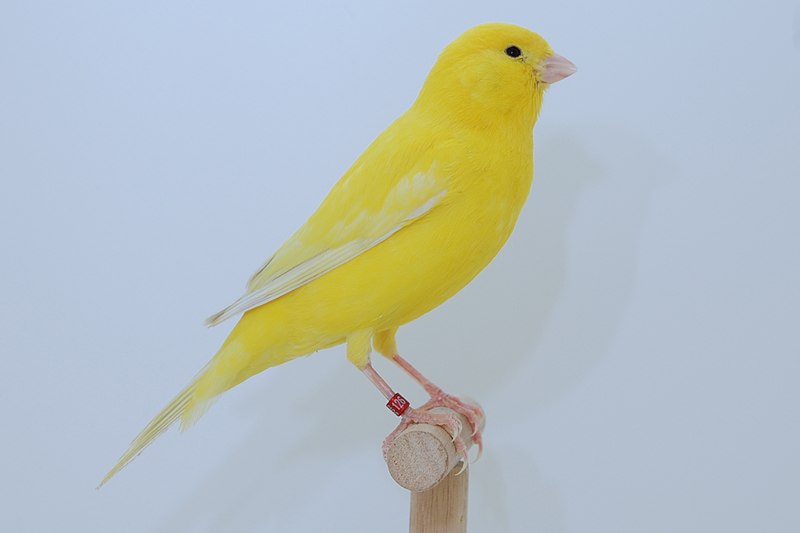
Quick Facts
| Attribute | Details |
|---|---|
| Type | Canary |
| Size | Small (5 in) |
| Lifespan | 10-15 years |
| Noise Level | Moderate (rolling song) |
| Diet | Seeds, greens, egg food |
| Care Level | Beginner |
| Cage Size | 24x12x18 inches minimum (flight cage preferred) |
Recommended for Roller Canarys
Kaytee - Premium bird food | Lafeber - Quality bird nutrition | Chewy - Cages & accessories
Roller Canary Overview
The Roller Canary is a small (5 in) canary that has captivated bird enthusiasts worldwide. With a lifespan of 10-15 years, this species offers years of enjoyment for dedicated keepers. Their moderate (rolling song) noise level makes them better suited for homes where some vocalization is acceptable.
As a beginner-level bird, the Roller Canary is an excellent choice for first-time bird owners who are ready to provide proper care. Their diet of seeds, greens, egg food requires consistent quality and variety.
A conversation with your avian veterinarian ensures these general guidelines get adapted to your Roller Canary's unique needs, age, and overall condition.
Housing Requirements
Providing appropriate housing is essential for Roller Canary health and happiness.
- Cage Size: 24x12x18 inches minimum (flight cage preferred) - always provide the largest cage possible.
- Bar Spacing: 1/4 to 1/2 inch to prevent escape or injury.
- Perches: Multiple perches of varying diameters and materials for foot health.
- Placement: In a social area away from drafts, direct sunlight, and kitchen fumes.
- Enrichment: Swings, mirrors, and bathing dishes provide enrichment.
- Cleaning: Daily water and food changes; weekly thorough cage cleaning.
Diet & Nutrition
Proper nutrition is critical for Roller Canary health: Your avian veterinarian and experienced Roller Canary owners can offer perspective tailored to your situation.
- Primary Diet: Seeds, greens, egg food.
- Fresh Foods: Occasional greens and egg food for supplementation.
- Supplements: Cuttlebone and mineral grit for calcium.
- Fresh Water: Clean water available at all times; change daily.
- Avoid: Avocado, chocolate, caffeine, alcohol, and high-salt foods are toxic to birds.
Top Food Choices for Roller Canarys
Kaytee - Premium seed mixes | Lafeber - Nutritious bird foods | Chewy - Wide selection of bird foods
Health Issues
Roller Canarys can be susceptible to several health conditions: Understanding how this applies specifically to Roller Canary helps you avoid common pitfalls.
- Respiratory Infections: Caused by drafts, poor air quality, or bacteria. Signs include wheezing, nasal discharge, and tail bobbing.
- Feather Issues: Abnormal molting or feather loss may indicate health problems.
- Nutritional Deficiencies: Egg binding in females from calcium deficiency.
- Parasites: Mites and internal parasites can affect pet birds. Regular vet checks help prevent issues.
- Egg Binding: Females may become egg-bound; maintain proper calcium and nutrition.
Avian Vet Care
Birds hide illness instinctively. By the time symptoms are visible, the bird may be seriously ill. Find an avian veterinarian before you need one, and schedule annual wellness checks for your Roller Canary.
Temperament & Behavior
- Social Needs: Best kept in pairs or small groups; they are social flock birds.
- Noise: Moderate (rolling song) - can be vocal, especially at dawn and dusk.
- Vocalizations: Males typically sing more than females.
- Activity: Active flyers that prefer flight space over handling.
Roller Canarys Are Great For:
- First-time bird owners
- Those who enjoy bird vocalizations
- Those who prefer watching birds rather than handling
- People committed to providing proper diet and housing
Roller Canarys May Not Be Ideal For:
- Those unable to commit to regular care routines
- Owners expecting a very long-lived pet
- People who want a completely silent pet
Ask Our AI About Roller Canarys
The habits that keep a Roller Canary healthy long-term almost always start with an owner willing to learn.
The best way to know if a Roller Canary is right for you is to spend time around one. Visit an owner, volunteer at a rescue, or attend a breed event. No amount of reading replaces the firsthand experience of what daily life with this bird actually involves.
Life with a Roller Canary settles into a rhythm that most owners come to genuinely enjoy. The daily routines of care, exercise, and interaction become part of the fabric of your household rather than a burden.
When to See the Vet
- Annual wellness exam (AAHA Preventive Healthcare Guidelines: Schedule at least one comprehensive checkup per year, or twice yearly for seniors over 7 years old.
- Behavioral changes: Sudden changes in appetite, energy level, social behavior, or elimination patterns often indicate underlying health issues.
- Digestive problems: Persistent vomiting, diarrhea, constipation, or blood in stool lasting more than 24 hours warrants a veterinary visit.
- Respiratory signs: Coughing, wheezing, labored breathing, or nasal discharge should be evaluated promptly by a veterinarian.
- Lumps and bumps: Any new or changing growths should be examined. While many are benign, early detection of cancerous masses improves treatment outcomes.
- Limping or pain: Reluctance to move, walk, or be touched in certain areas can indicate injury, arthritis, or other orthopedic conditions.
Diet and Nutrition Tips
A balanced diet is critical for your Roller Canary's longevity and quality of life. Many health issues in pet birds are directly related to nutritional deficiencies.
- Pellet base: A high-quality pelleted diet should form 60-70% of your Roller Canary's food intake. Pellets provide balanced nutrition that seed-only diets cannot.
- Fresh produce: Offer a variety of fresh vegetables and fruits daily. Dark leafy greens, carrots, sweet potatoes, and berries are excellent choices.
- Limit seeds: Seeds are high in fat and should be offered as treats rather than a dietary staple. An all-seed diet leads to obesity and fatty liver disease.
- Calcium sources: Provide a cuttlebone or mineral block for calcium supplementation, especially important for egg-laying hens.
- Toxic foods: Never feed avocado, chocolate, caffeine, alcohol, onion, garlic, or fruit pits to your Roller Canary. These are toxic to birds.
Exercise Requirements
Adequate flight time and physical activity are essential for your Roller Canary's physical and mental health. Birds that lack exercise can develop obesity, muscle atrophy, and behavioral problems.
- Flight time: Allow supervised out-of-cage time daily in a bird-safe room. Even clipped birds benefit from flapping exercise and climbing opportunities.
- Cage size: Provide the largest cage possible with horizontal space for movement. The cage should allow your Roller Canary to fully extend and flap their wings.
- Enrichment toys: Rotate toys regularly to prevent boredom. Include foraging toys, puzzle feeders, and chew toys appropriate for your Roller Canary's size.
- Social interaction: Spend quality interactive time with your Roller Canary daily. Birds are highly social and need regular engagement with their human flock.
- Climbing opportunities: Install perches of varying diameters and textures to promote foot health and natural climbing behavior.
Training Advice
Training your Roller Canary builds trust, provides mental stimulation, and makes daily care much easier. Birds are highly intelligent and respond well to positive reinforcement techniques.
- Step-up command: Teach this essential command first. Offer your hand or a perch and say "step up" while gently pressing against the lower chest.
- Positive reinforcement: Use favorite treats, head scratches, or verbal praise as rewards. Never punish a bird, as it destroys trust and worsens behavior.
- Short sessions: Keep training sessions to 10-15 minutes. End on a positive note before your Roller Canary loses interest or becomes frustrated.
- Target training: Teach your Roller Canary to touch a target stick. This foundational skill makes teaching complex behaviors much easier.
- Consistency: Practice commands daily and ensure all family members use the same cues and techniques for a consistent learning experience.
Grooming Essentials
Regular grooming keeps your Roller Canary healthy, comfortable, and looking their best. Most bird grooming tasks can be performed at home with proper technique.
- Bathing: Offer bathing opportunities 2-3 times per week via a shallow dish, misting, or shower perch. Bathing maintains feather condition and skin health.
- Nail trimming: Trim nails every 4-6 weeks or as needed. Provide a concrete or sand perch to help naturally wear down nails between trims.
- Beak care: A healthy diet and appropriate chew toys usually keep the beak in good condition. Overgrown beaks may indicate nutritional deficiency or liver disease.
- Wing clipping: Discuss with your avian vet whether wing clipping is appropriate for your Roller Canary's safety and lifestyle.
- Feather inspection: Monitor feather condition for signs of feather plucking, damage, or abnormal molting patterns.
Living Environment
Your Roller Canary's living environment directly impacts their physical health and psychological well-being. Invest in the best setup your space and budget allow.
- Cage placement: Place the cage in a room where the family spends time, but away from the kitchen (cooking fumes are toxic to birds), direct sunlight, and drafts.
- Air quality: Birds have extremely sensitive respiratory systems. Avoid candles, air fresheners, non-stick cookware fumes, aerosol sprays, and cigarette smoke.
- Temperature: Maintain room temperature between 65-80 degrees Fahrenheit. Avoid placing the cage near heating vents or air conditioning units.
- Sleep schedule: Birds need 10-12 hours of quiet, dark sleep each night. Cover the cage or move it to a quiet room at a consistent bedtime.
Helpful Resources for Roller Canary Owners
Explore More Guides
Get Personalized AI Guidance
Ask Our AI NowDecision Guides for Roller Canary
Use these only when comparing food, insurance, ownership budget, or beginner fit for this specific pet.
Cost of Ownership
Expect the first year of Roller Canary ownership to carry the heaviest financial load. That initial period bundles together a wave of one-time costs — a suitable cage or aviary, initial avian vet exam, perches, foraging toys, and appropriate dietary staples — that will not repeat. Once you clear that first-year hurdle, the ongoing baseline drops to food and supplements, cage maintenance, annual avian vet checkups, and toy rotation.
The temptation to skip a routine checkup when your Roller Canary appears to be thriving is understandable but misguided. Silent conditions — respiratory issues, feather abnormalities, and nutritional imbalances among them — are far easier and cheaper to address when caught early. The cost of a wellness exam is minor compared to the treatment expenses that accumulate when problems are discovered late.