Cape Parrot
This page is educational reference material for preparing questions. A licensed veterinarian examines the animal, makes the diagnosis, and sets the treatment.
Affiliate links may earn a commission. Affiliate disclosure.
Quick Facts
| Attribute | Details |
|---|---|
| Type | Parrot |
| Size | 13 inches |
| Weight | 10-13 oz |
| Lifespan | 30-60 years |
| Temperament | Gentle, Playful, Intelligent |
| Noise Level | Moderate |
| Talking Ability | Good |
| Origin | South Africa |
Cape Parrot Overview
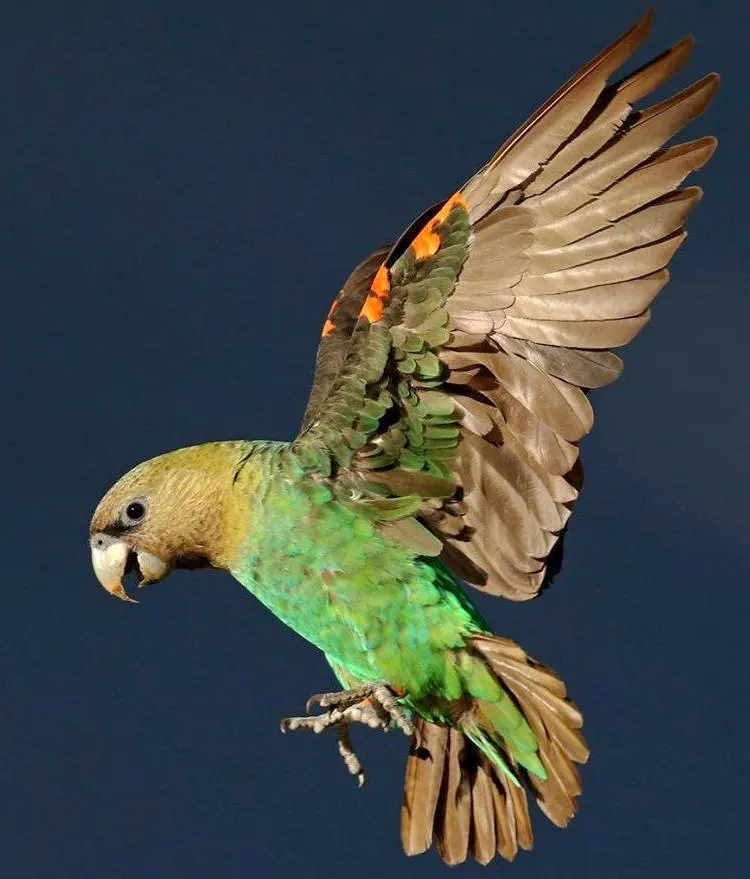
The Cape parrot is Poicephalus robustus, a South African parrot listed at 13 inches and 10 to 13 ounces. Senegal parrots and Meyer's parrots are smaller birds in the same genus, with different ranges and a different job as pets. A Cape is not the small beginner Poicephalus. The noise rating is moderate, and talking ability is good. Temperament on the card is gentle, playful, and intelligent, which still leaves a beak that can split a hardwood perch and a personality that notices sloppy handling.
Wild Cape parrots are endangered. A pet on this page should be a captive-bred bird with a documented source, not an imported adult of unclear origin. South Africa is the origin line for a reason. The species is tied to a limited forest range and to particular foods in that range, and captive birds still do better when the diet is varied instead of reduced to one seed mix. Pellets, vegetables, and a measured nut portion fit a 10 to 13 ounce parrot better than sunflower alone.
A short avian-vet check-in before a real Cape Parrot diet change catches interactions that are hard to spot from outside the clinic.
Lifespan is 30 to 60 years. That spread is wide because husbandry decides which end a bird reaches. A Cape acquired in a person's thirties can still be alive when that person is thinking about retirement. The moderate noise rating is not a whisper. It is quieter than a macaw and still too much bird for a studio apartment that wanted a Senegal. Good talking means words are a realistic hope. It does not replace foraging, bathing, and time out of the cage.
Temperament & Behavior
Housing has to match a stocky 13-inch Poicephalus, not a cockatiel. The bird needs room to climb, a bath, and toys that survive a beak built for hard food. Playful on the temperament line shows up as shredding and as investigating hardware. Intelligent shows up as boredom if the only object in the cage is a swing. An avian veterinarian who has seen large Poicephalus patients is worth finding before the first week, because 30 to 60 years is a long time to improvise clinics.
People shopping for a gentle African parrot sometimes land on a Cape because the genus name looks familiar. The weight tells the difference. Ten to 13 ounces is a solid bird, and the endangered status means the purchase is also a conservation question. Ask what the parents ate, how the chick was raised, and whether the seller can explain why this is robustus rather than a smaller relative. A varied diet from the start is easier than converting a seed-addicted adult decades into a 30 to 60 year life.
Housing & Environment Requirements
Provide a spacious cage appropriate for Cape Parrots - minimum dimensions should allow full wingspan extension plus room to climb and play. Maintain temperatures between 65-80°F with appropriate humidity levels.
Diet & Nutrition
A balanced diet for Cape Parrots should include high-quality pellets as the foundation (60-70% of diet), supplemented with fresh fruits and vegetables (20-30%), and limited seeds/nuts as treats (5-10%). Fresh, clean water should always be available. Avoid avocado, chocolate, caffeine, alcohol, and high-salt foods. Consult an avian veterinarian for species-specific dietary recommendations.
Common Health Issues
Common health concerns for Cape Parrots include respiratory infections, psittacine beak and feather disease, feather plucking (often stress-related), and nutritional deficiencies. Birds hide illness well, so annual avian vet checkups are essential.
Grooming & Maintenance
Regular grooming for Cape Parrots includes providing bathing opportunities (mist spray or shallow dish), nail trimming as needed, and wing clipping (optional and debated - consult your avian vet). Keep the cage clean with daily spot cleaning and weekly deep cleaning. Replace food and water daily. Rotate toys regularly to prevent boredom.
Beginner-Friendly Rating: Intermediate
Cape Parrots are suitable for keepers with some experience.
Before acquiring a Cape Parrot, research thoroughly and prepare the habitat in advance. Join online communities and forums dedicated to aviculture to connect with experienced keepers who can offer guidance specific to Cape Parrot care.
Socialization & Enrichment
Socialization is critical for Cape Parrots. These intelligent creatures thrive on interaction and mental stimulation.
Many Cape Parrot owners find that their birds enjoy music, gentle conversation, and watching nature videos.
Where to Find Cape Parrots
Look for reputable breeders who hand-raise their birds, provide health guarantees, and are knowledgeable about Cape Parrot care.
Cost of Ownership Overview
| Expense | Estimated Cost |
|---|---|
| Initial Setup (bird + cage + supplies) | $200-$3,000+ |
| Annual Food | $150-$400 |
| Annual Vet Care | $100-$300 |
| Toys & Enrichment (annual) | $100-$250 |
Year one hits the wallet hardest. Once those one-time costs are behind you, annual spending drops — though it tends to creep back up as your Cape Parrot ages and needs more frequent veterinary attention in the later years.
Daily Care Routine for Cape Parrots
A consistent daily routine is essential for Cape Parrot health and wellbeing.
Most Cape Parrots need 10-12 hours of uninterrupted sleep in a quiet, dark environment. Weekly tasks include thorough cage cleaning, perch scrubbing, and toy rotation.
How long do Cape Parrots live?
Cape Parrots typically live 30-60 years in captivity with proper care.
Are Cape Parrots noisy?
Cape Parrots have a moderate noise level. They vocalize regularly but are not among the loudest pet bird species.
Can Cape Parrots talk?
Cape Parrots have good talking ability. With patience and consistent training, many individuals learn to speak words and phrases clearly. Start with simple, frequently repeated words.
Do Cape Parrots need a companion?
While Cape Parrots are social creatures, a single bird can thrive with sufficient human interaction and enrichment. Always quarantine new birds and introduce them gradually.
Long-Term Commitment & Responsible Ownership
Bringing a Cape Parrot into your home is a commitment that can last 30-60 years.
Include your Cape Parrot in long-term planning. If rehoming becomes necessary, contact avian rescue organizations in your area.
Get Personalized Cape Parrot Guidance
Ask Our AI NowDecision Guides for Cape Parrot
Use these only when comparing food, insurance, ownership budget, or beginner fit for this specific pet.
Is a Cape Parrot Right for You?
Anchor the plan in what makes the Cape Parrot distinctive and the subsequent choices — nutrition, activity, environment — generally follow logically.
Cape Parrot May Be Great For:
- A specialist who knows Poicephalus robustus is not a Senegal and is a rare, larger parrot
- Someone who can feed a varied nut and pellet diet and find an avian vet
- An owner planning decades and buying only from a legal, documented source
Cape Parrot May Not Be Ideal For:
- A keeper who wanted a Meyers or a Senegal and will house a Cape the same way
- Anyone without a plan for a powerful beak and a long life
- A casual pet-store purchase
A Cape Parrot is not for everyone, and that is perfectly fine. What matters is making the choice based on realistic expectations rather than idealized breed descriptions. Spend time around actual Cape Parrot birds before committing. Visit rescues, attend meet-ups, or ask a friend who owns one if you can arrange experienced avian care during travel. That firsthand experience is worth more than a hundred online guides.
Owning a Cape Parrot is a practical commitment on paper — grooming, vet care, training — but the thing that keeps owners engaged is relational. A bird that knows you and trusts you becomes part of the texture of daily life, and most Cape Parrot owners identify that bond as the reason they keep doing the work.