American Green Tree Frog
This page is educational reference material for preparing questions. A licensed veterinarian examines the animal, makes the diagnosis, and sets the treatment.
Affiliate links may earn a commission. Affiliate disclosure.
Quick Facts
| Attribute | Details |
|---|---|
| Scientific Classification | Amphibian |
| Size | Small (1.5-2.5 in) |
| Lifespan | 6-10 years |
| Temperature | 72-80°F |
| Humidity | 50-70% |
| Enclosure | 18x18x24 in tall vivarium |
| Care Level | Beginner |
| Diet | Crickets, small moths, fruit flies |
| Temperament | Vocal, Active at night |
| Origin | Southeastern United States |
| Habitat Type | Arboreal |
| Typical Cost | $5-$15 for animal; $100-$250 setup |
Recommended for American Green Tree Frog Keepers
Zoo Med — Heating, lighting & habitat supplies | Exo Terra — Vivariums & terrarium accessories | Chewy — Amphibian food & supplies
American Green Tree Frog Food & Supplements
Chewy — Frozen bloodworms, pellets & feeder insects | Zoo Med ReptiCalcium — Calcium with D3 supplement | Oxbow — Premium small animal nutrition
American Green Tree Frog Habitat Essentials
Exo Terra — Vivariums & misting systems | Zoo Med — Thermostats, hygrometers & substrates | Chewy — Terrariums & aquatic supplies
Protect Your American Green Tree Frog
Spot Insurance — Exotic pet coverage options | Lemonade Pet — Affordable pet insurance plans
The southeastern climber, not the Australian one
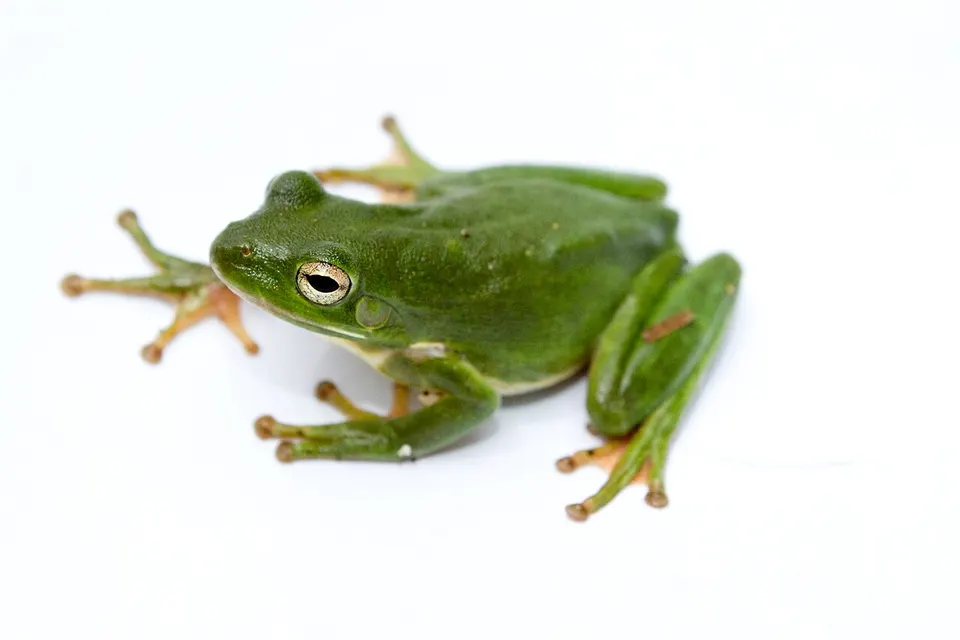
American green tree frogs are Dryophytes cinereus, the smooth green frogs with a pale stripe along the jaw, native to the southeastern United States. Adults are about 1.5 to 2.5 inches. People confuse them with White's tree frogs because both get called "green tree frog" in a shop. White's frogs are the chunky Australian dumpies, twice the bulk, with a much longer life. If the frog in front of you is delicate, bright green, and the size of a thumb, you are on the right page.
The quick facts list 6 to 10 years, 72 to 80°F, humidity 50 to 70 percent, and a tall 18 by 18 by 24 inch vivarium. They are nocturnal and vocal. Care level is beginner. That means the husbandry is straightforward, not that the frog enjoys being passed around a party.
Night insects and a water dish
Crickets, small moths, and fruit flies, calcium-dusted, are the diet. Feed in the evening when they are awake. A frog that is asleep on the glass at noon is not sick. A frog that never hunts after dark might be. Give vertical bark and plants, a bowl big enough to soak, and misting that dries back rather than a constant drip wall. Too much standing water on the skin is a different problem from drought.
Males call with a repeated nasal note. One frog is charming. Three males in a bedroom are a negotiation with whoever else lives there.
Captive-bred, and what to watch
Buy captive-bred. American green tree frogs are common in the wild and still a poor collecting project. Sticky, discolored skin or a climber that sits on the floor for days needs a vet. Find one via ARAV. The not-eating guide fits a frog that ignores crickets, and the checker sorts whether that wait can be overnight. The animal is often $5 to $15. The tall setup is about $100 to $250.
American green tree frog questions
Is this the same frog as White's tree frog?
No. American green tree frogs stay about 1.5 to 2.5 inches and often live 6 to 10 years. White's tree frogs are larger, calmer, and commonly live into the high teens.
Why does my green tree frog yell at night?
Males call. A loud, nasal quonk is normal after lights-out, especially in a humid room. It is the reason some people move the tank out of the bedroom.
What setup do they need?
A tall vivarium around 18 by 18 by 24 inches, 72 to 80°F, and humidity near 50 to 70 percent, with branches and a water dish. They are climbers, not burrowers.
Are American green tree frogs beginner pets?
The quick facts say beginner, and that is fair for a captive-bred frog if you can tolerate the calling and you feed small insects. They are a weak choice if you want an animal to hold.
Decision Guides for American Green Tree Frog
Use these only when comparing food, insurance, ownership budget, or beginner fit for this specific pet.