Axolotl
This page is educational reference material for preparing questions. A licensed veterinarian examines the animal, makes the diagnosis, and sets the treatment.
Affiliate links may earn a commission. Affiliate disclosure.
Quick Facts
| Attribute | Details |
|---|---|
| Scientific Classification | Amphibian |
| Size | Medium (9-12 in) |
| Lifespan | 10-15 years |
| Temperature | 60-68°F |
| Water Type | Aquatic |
| Enclosure | 20+ gallon aquatic tank |
| Care Level | Intermediate |
| Diet | Earthworms, bloodworms, pellets |
| Temperament | Docile, Curious |
| Origin | Mexico (Lake Xochimilco) |
| Habitat Type | Fully aquatic |
| Typical Cost | $30-$75 for animal; $200-$400 setup |
Recommended for Axolotl Keepers
Zoo Med — Heating, lighting & habitat supplies | Exo Terra — Vivariums & terrarium accessories | Chewy — Amphibian food & supplies
Axolotl Food & Supplements
Chewy — Frozen bloodworms, pellets & feeder insects | Zoo Med ReptiCalcium — Calcium with D3 supplement | Oxbow — Premium small animal nutrition
Axolotl Habitat Essentials
Exo Terra — Aquatic habitat accessories | Zoo Med — Thermostats, hygrometers & substrates | Chewy — Terrariums & aquatic supplies
Protect Your Axolotl
Spot Insurance — Exotic pet coverage options | Lemonade Pet — Affordable pet insurance plans
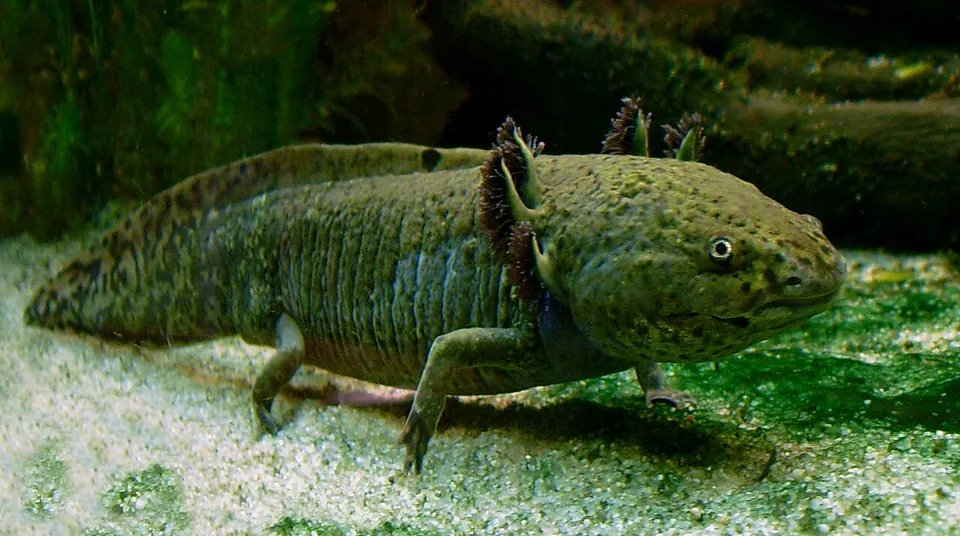
Axolotls are neotenic salamanders: they grow up and stay in the water with external gills, instead of walking onto land. The pet trade's animals descend from captive lines; the wild population in the canals of Lake Xochimilco is in serious trouble, which is one reason random collecting is not a hobby. Adults are about 9 to 12 inches and often live 10 to 15 years if the water stays cold and clean. Temperament is docile. Care level is intermediate because the water is a project.
Cold, cycled, and empty of gravel
A 20-gallon long tank is a fair minimum for one adult, with a filter that does not create a jet. Cycle the tank before the animal arrives: ammonia and nitrite at zero, nitrate low. Temperature belongs between 60 and 68°F. Above the low 70s they stress, get fungus, and refuse food. In warm climates a chiller or a carefully managed fan is equipment, not a luxury. No heater.
Bare-bottom tanks are the safest. Fine sand is acceptable for big animals that are not inhaling it. Gravel causes impactions. A hide, like a cave or a length of PVC, gives them somewhere dark. Dim light. They do not need a basking lamp, and bright light plus algae is not a health plan.
Worms, gills, roommates
Earthworms, cut to a manageable size, are the best everyday food. Axolotl pellets and frozen bloodworms add variety. Feed a few times a week and remove leftovers so the water stays honest. Pale, forward-curled gills or gills that shrink to stubs usually mean poor water, high temperature, or both. Test the water before you buy a medication.
Do not keep them with fish that nip gills, and do not assume two axolotls will share a small tank peacefully. They bite limbs off tankmates. Limbs can regenerate. That is not a reason to house them badly. Several states restrict ownership. Look up your state before you buy, and do not rely on a seller's "they're fine everywhere."
A floating, flipping, or fungus-covered animal needs an exotic vet. The ARAV directory lists clinics. The not-eating page applies to amphibians on this site, and the checker is the urgency sort. A first-year setup often lands around $250 to $900, and a chiller pushes it higher. This is a beginner amphibian only for someone who already understands the nitrogen cycle.
Axolotl water and law
How cold does the tank need to be?
Keep it between 60 and 68°F, and happier toward the low 60s. A tropical heater is the wrong device. In a hot apartment you may need a fan across the water or a chiller.
Can they live with gravel?
No. They swallow substrate and impact. Use a bare bottom for juveniles and fine sand only for larger animals that are not gulping it, or keep the tank bare.
Are they legal everywhere?
No. Several states restrict axolotl possession, California among them. Check your state wildlife agency before you order an animal online.
What do they eat?
Earthworms are the staple. Pellets made for axolotls and occasional bloodworms work as variety. Feeder fish are a poor staple because of parasites and thiaminase.
Decision Guides for Axolotl
Use these only when comparing food, insurance, ownership budget, or beginner fit for this specific pet.